


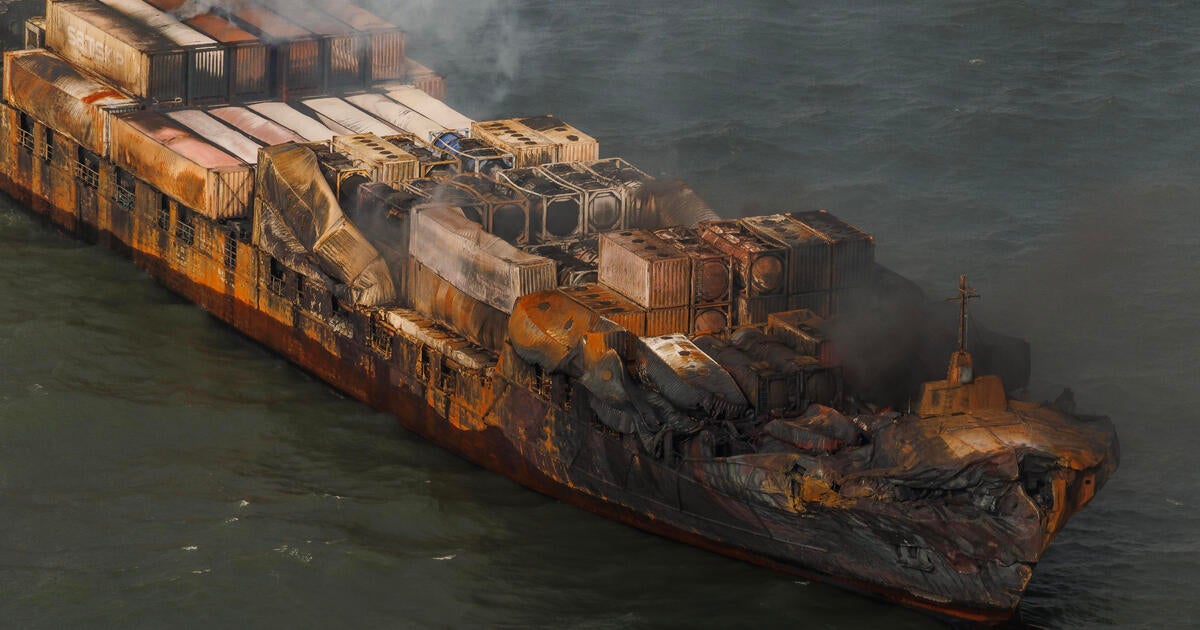
Environmental Implications of the North Sea Tanker Crash
A ship collision in the North Sea could severely threaten ecologically sensitive areas, warns Naomi Tilley from Oceana U.K. The incident's proximity to protected marine zones makes it potentially disastrous, she explained. The U.K. Coastguard has established a cautionary perimeter of nearly half a mile around the affected vessels, which are now separated.
Greenpeace U.K. cautioned that early damage assessments are challenging. The overall impact depends on factors like what type and quantity of oil the tanker carried and whether any of it has seeped into the water.
Impact on Marine Protected Areas
The North Sea serves as a critical habitat for numerous protected species and has significant fishing resources valuable to both the U.K. and other European nations. The accidents reportedly occurred near key protected zones like the Southern North Sea marine protected area, tasked with safeguarding the harbor porpoise.
These marine animals need to breach the water's surface to breathe, making them vulnerable to oil spills, Tilley explained. Another concerning area is the Holderness Offshore marine protected site, known for safeguarding long-living clams and other species vital to the seabed ecosystem.
Release of Toxic Substances
The collision resulted in the American tanker, the MV Stena Immaculate, losing jet fuel, which is harmful to marine life. Crowley, the operator, confirmed some fuel leak and a subsequent fire.
Confusion arose regarding sodium cyanide's presence on the Portuguese cargo ship Solong. While initially thought to be on board, the shipping company clarified that no active containers with sodium cyanide were present, though some empty ones were monitored.
Threats to Fisheries
Tilley expressed concerns about potential pollution affecting fish populations essential to local and European fishing industries. While the full environmental consequences remain speculative, past spills have led to restricted fishing areas due to contamination.
The collision's implications could extend beyond immediate environmental damage, potentially affecting local communities reliant on fishing economies.
Leave a Reply