


Recent Surge in Chinese Bond Yields Due to Adjusted Rate Cut Predictions
On Monday, Chinese government bond valuations took a hit, pushing yields to peak levels for the year. This shift comes as investors adjusted their portfolios, anticipating that further government spending might invigorate economic growth and delay expected interest rate reductions.
The yield on China's 10-year government bonds, which inversely relate to their prices, increased by over 10 basis points, reaching 1.865%. This is the highest point recorded this year as per LSEG data, marking a 25 basis point climb from the historical lows seen in January.
Market Dynamics and Fiscal Strategies
The yield for 30-year sovereign bonds crossed the critical 2% threshold, landing at 2.030%, while one-year notes saw a 10 basis point rise to 1.643%. However, by early afternoon in Beijing, the yields had relinquished part of these advances.
Frederic Neumann, HSBC Bank's chief economist for Asia, remarked in an email to CNBC about the resurgence of growth optimism in China. The National People's Congress has demonstrated a commitment to growth, primarily through fiscal easing policies.
Following the announcement of a nearly 5% growth prospect in last week's notable government work report, yields on Chinese government bonds have responded positively to the renewed economic outlook.
Impact of Bond Supply Increase
The issuance of bonds is set to increase, with Beijing unveiling plans for a significant issuance of 1.3 trillion yuan ($178.9 billion) in ultra-long-term treasury bonds slated for 2025. This represents a notable increase from last year, also marking the highest level since at least 2010.
With more bonds entering the market, existing bonds become less appealing to investors, which exerts downward pressure on prices and elevates yields.
Monetary Easing: A Pause in Expectations
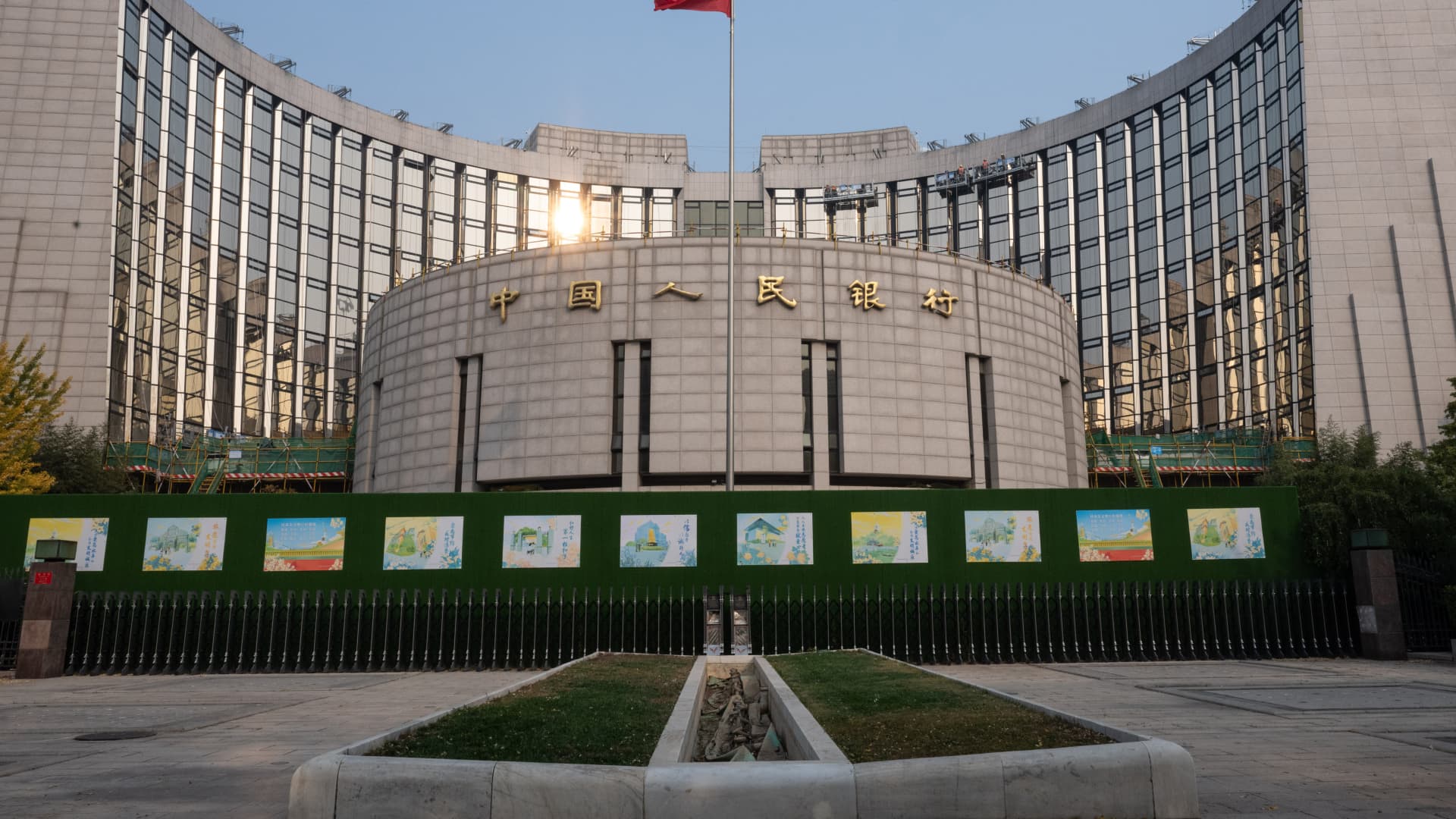
Investor sentiment towards imminent interest rate cuts has cooled, following the People's Bank of China's emphasis on stabilizing the yuan amid escalating trade tensions with the United States.
During a major press briefing, central bank Governor Pan Gongsheng reaffirmed the bank's intention to infuse liquidity into the financial market, though this would be contingent on proper timing.
Officials have been suggesting rate reductions since last year, yet these remain unimplemented. Pan emphasized currency stability to potentially ease any forthcoming negotiations with the US.
The yuan declined by roughly 0.24% to 7.2588 against the dollar on Monday. Neumann noted that China's rising bond yields are helping to counterbalance downward pressure on the renminbi, especially as US yields decline.
Looking forward, Neumann suggested that the bond decline might stall as the central bank continues to prioritize economic growth over currency rate control, maintaining a generally easing monetary policy.
A Shift to Bullish Market Positions
The selling trend in bonds came on the heels of an uptick in the Chinese offshore stock market, indicating a pivot of capital towards more speculative investments.
The rise of artificial intelligence startup DeepSeek has drawn global investors' attention to Chinese equities, as they wager on advancements in language models and their broader economic benefits.
Carlos Casanova from UBP noted an increase in investor optimism, prompted by a reassessment of offshore equities led by DeepSeek, creating a preference shift from government bonds towards equities.
This year, the MSCI China index has experienced a nearly 20% increase, with certain Hong Kong-listed entities outperforming global counterparts and achieving gains exceeding 18%.
Leave a Reply