


Growing Concerns: Emerging Patterns in School Shooting Radicalization
Recent Incidents Signal a Shift in Understanding
Two unsettling acts of violence at schools are prompting experts to reevaluate their grasp on the pathways to radicalization influencing today's youth.
These incidents in schools, including one in Nashville, Tenn., challenge conventional categories like radical Islamist or white supremacist terrorism. Some scholars categorize these acts as 'nonideological' terrorism, driven by the convergence of disruptive online factions.
Matthew Kriner, from the Accelerationism Research Consortium, suggests that some cultures are intentionally fostering violent tendencies in younger individuals. 'It’s about violence for its own sake,' Kriner notes.
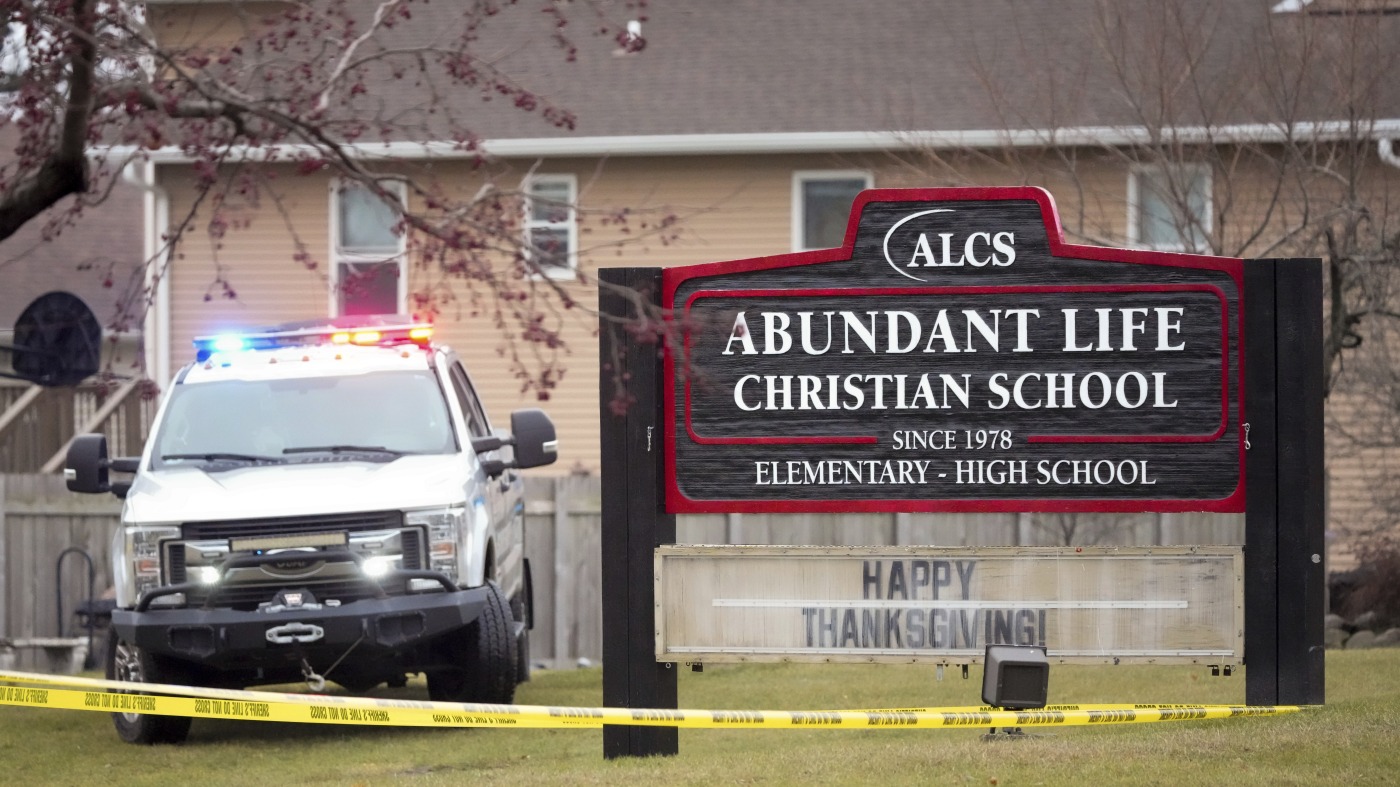
Recent attacks include a December incident at Abundant Life Christian School in Madison, where Natalie 'Samantha' Rupnow took two lives before ending her own, and a January tragedy at Antioch High School in Nashville involving Solomon Henderson. Both individuals seemed fascinated by historical mass killers.
Understanding the 'True Crime Community'
Since the 1999 Columbine tragedy, a subculture fascinated by mass shootings has burgeoned online. Known as the True Crime Community (TCC), its members study the background and actions of past perpetrators.
Rupnow and Henderson were notably influenced by these communities, often idolizing past attackers. Despite TCC's reputation, direct incitement to violence is rarely found within it, according to experts like Cody Zoschak from the Institute for Strategic Dialogue.
Zoschak indicates an increasing linkage between school shooting plots and the TCC. His team has traced several potential or thwarted school attacks to individuals associated with the TCC in recent times.
Confluence with Other Radical Movements
The TCC's overlap with other radical movements, such as the Terrorgram Collective—promoting societal collapse through violence—and extremist subcultures that glorify mass violence, has been increasing.
This blend of influences is changing the demographic profile of those drawn to these violent ideologies, now including younger individuals and people outside traditional extremist profiles, including women.
The Moving Target of Radicalization
Communities within this digital ecosystem that exploit young individuals, commonly associated with terms like '764,' reflect these disturbing changes. These networks pressure individuals to inflict harm for notoriety.
Reports of such exploitative networks have surged, indicating an alarming trend in child exploitation and necessitating collaboration between anti-terrorism and child safety agencies.
Challenges in Identifying and Preventing Threats
Law enforcement has traditionally lacked centralized data on attempted mass shootings. Interventions often focus on crime prevention rather than probing the radicalization processes.
The deeply ingrained online identities of youth complicate these efforts. The complexity of radicalization, often masked in layers of online culture, poses a formidable challenge to investigators.
Leave a Reply