


Echoes from the Past: Thailand's Uyghur Deportations
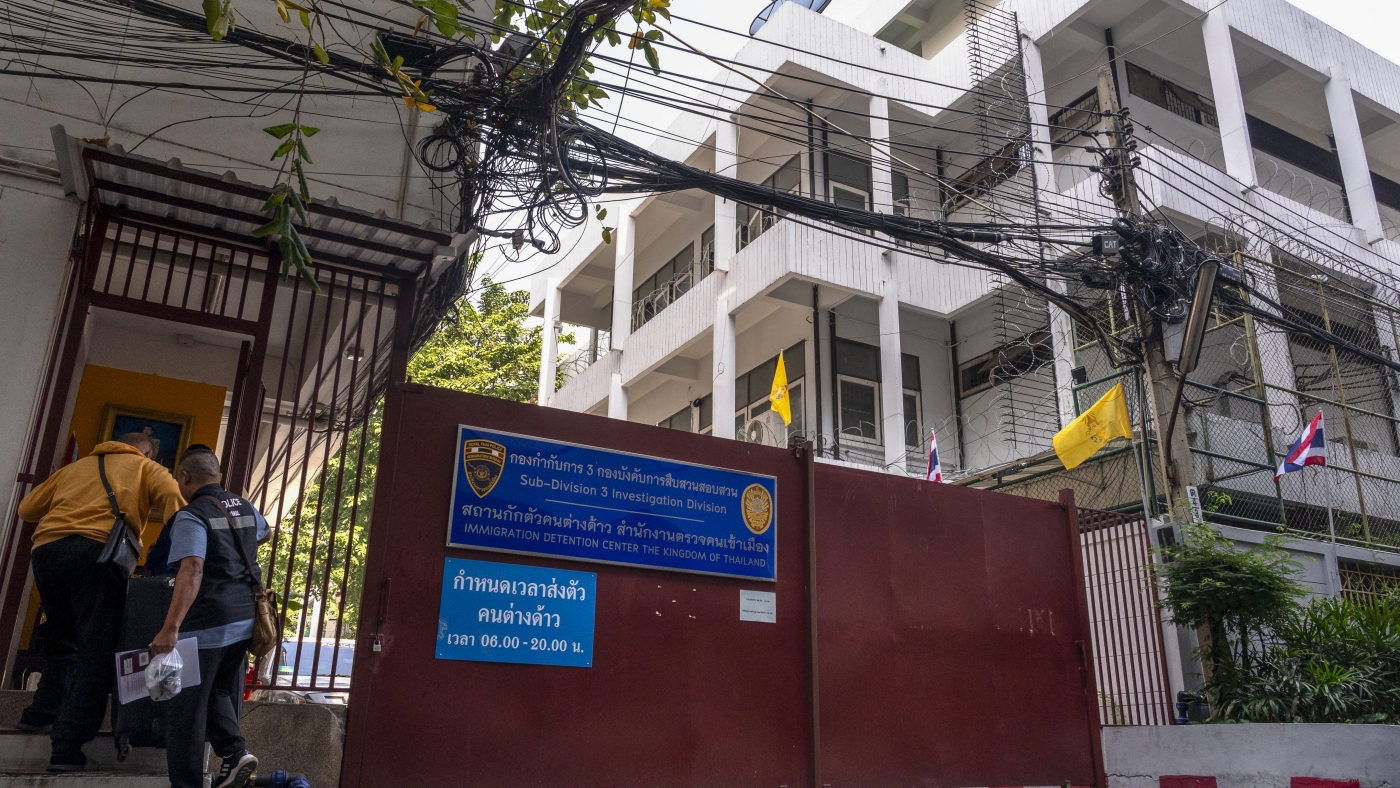
On January 22nd, a scene unfolded in Bangkok's immigration detention center reminiscent of events from a decade ago, highlighting unsettling continuities in Thailand's treatment of Uyghur refugees.
Back in 2014, a group of around 300 Uyghurs from the Xinjiang region of China sought refuge in Thailand to escape Chinese government's harsh policies. Despite warnings of potential abuse upon return, the Thai government, in 2015, decided to send them back to China, an action that sparked global criticism.
Fast forward to recent months, Thailand has again sent reportedly Uyghur refugees back to China, reigniting international disapproval. Offers from countries like the U.S. and Canada to accept these refugees were turned down amid fears of reprisal from Beijing.
The United States and other nations have expressed concerns over China's alleged systematic persecution of Uyghurs, including mass detainment in camps. The U.S. State Department labels these actions as genocide and crimes against humanity.
Persistent Historical Patterns
Despite significant changes in Thailand's political landscape over the past ten years, the country’s policies regarding Uyghur deportations remain consistent. The authorities continue to defend these actions by citing adherence to international law and assurances from Beijing of the fair treatment of returnees.
The political context in Thailand has shifted since 2015 when a military junta—installed after a coup—approved the deportations. Today, the defense of similar decisions comes under a government led by Thailand's first female prime minister, though political continuity remains a hallmark.
Thailand's current Prime Minister, Paetongtarn Shinawatra, who assumed office post-2023 elections, represents the influential Pheu Thai Party, which enjoys royal favor similar to the junta’s past support.
Political Dynamics and Public Dissent
The country’s political landscape is marked by tension and muted dissent. Critics of the government, especially those opposed to the monarchy, continue to face legal repercussions under lèse-majesté laws. These laws, which inhibit free expression by prohibiting royal criticism, were forcefully applied to suppress activists.
Young activists spearheaded spirited protests for greater freedom and reforms from 2020 to 2021, demanding change like regulatory reform and acknowledgment of LGBTQ rights. Although some reformists found political footing with the Move Forward party, many remain entangled in legal battles.
A Country at a Crossroad
The protests have undeniably left their mark, giving rise to hopes for significant change after the 2023 elections. Yet, many entrenched practices remain unchanged, overshadowing new beginnings with familiar challenges.
Emerging concerns include recent legal developments, such as the extended sentences for activists like Arnon Nampa, highlighting the persistence of human rights issues. Similarly, the decision to deport Uyghurs signals an ongoing pattern of deference to China's government that the current Thai administration shows no signs of altering.
Leave a Reply