


Reflecting on Spending My Trust Fund on an Ivy League Education
When selecting a university, many weigh factors such as geographic location, sports, and financial considerations. In my case, architecture sealed the deal.
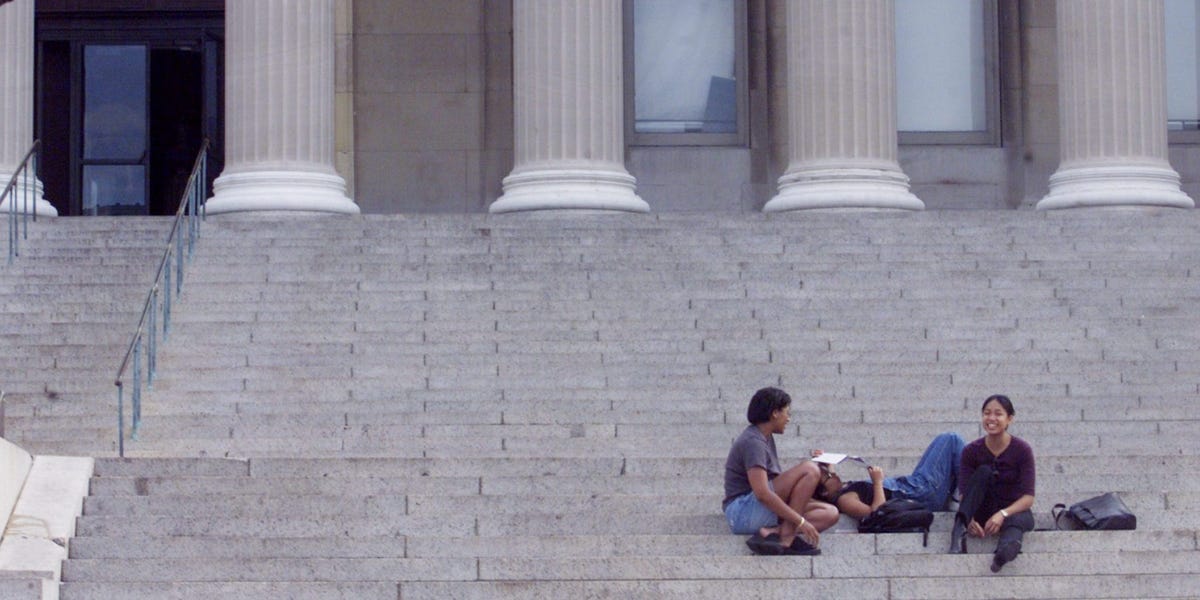
Though I never planned to major in it — my experience was limited to a basic art history class — I felt an irresistible attraction when I stood within the heart of Columbia University's campus. The imposing Greco-Roman pillars of Butler Library paired with the sweeping staircases ascending to Low Library's grand dome left me enthralled.
This was the moment I turned to my mother, during our campus exploration, and declared it my future university. Without a second thought, I applied early, my decision solely influenced by the grandeur of its buildings, afforded to me by the privilege of a trust fund.
The Financial Journey: Columbia's Price Tag
My grandfather, a World War II submarine captain and engineering professor, also a proud Columbia alumnus, set up a trust fund for me shortly after my birth. His prudent investments and frugal lifestyle ensured a substantial amount for his grandchildren's education.
In 1998, a staggering $120,000 was in my account, enough to cover four years at any private institution. At Columbia, which drew significantly from this fund, the tuition alone consumed $24,974 annually. A pricey overseas study program nearly drained what remained.
Reflections on Wise Utilization of Wealth
There's no doubt an Ivy League diploma is often a key to numerous opportunities. Giant strides in one's career, like aiming for Harvard's medical trajectory, Yale's legal route, or a Rhodes Scholarship, would clearly have been within easier reach. My dreams, however, were less structured — I aspired to write, a path less dependent on prestigious names.
Had I joined the Honors College at the University of Oregon, with an equally driven cohort, my professional life might not have diverged much. However, what would have changed is my financial standing — many thousands might have stayed in my trust to finance a house deposit, buy a car, or fund further studies.
With less influence from aesthetic allure and more from practical foresight, I might have charted a course for a financial foundation that did not need student loans.
Encountering Debt Despite Previous Wealth
A couple of years post-graduation, I was forced to seek modest loans for my postgraduate education. Over time, making regular payments became a norm, and though occasionally deferred due to maternity leaves, clearing this debt stretched over nearly twenty years.
Avoiding the significant payments to loan providers or owning a charming Brooklyn brownstone could have been alternative realities.
Lessons Beyond Academics and Expenses
I have no qualms about the courses taken at Columbia, though most of my fund was directed to them. However, some additional uses of the fund before depletion remain cherished memories.
One summer, my girlfriend and I explored Europe with a backpack, and I covered medical expenses for several children as a volunteer during my overseas study year. Helping a child receive necessary heart surgery remains invaluable. Ultimately, enduring value came not from the priciest commitments, but the human touch along the way — a realization I wish had come sooner.
Leave a Reply