


Government Downsizing: Property Shed and Workforce Reductions
The directive from the governmental Department of Government Efficiency, led by Elon Musk, aims to significantly cut back on federal expenditures by reducing its real estate holdings and workforce. This move has been vividly presented through social media, illustrating the ambitious plans to minimize the government’s physical and human resource footprint.
Analyzing a report from NPR, the federal entity in charge of managing property—the General Services Administration (GSA)—is looking to dispose of up to 25% of its vast 360 million square feet real estate portfolio. Accompanied by substantial staff layoffs, with more than 1,000 employees already dismissed, the GSA targets an overall 63% decrease in personnel within its Public Building Service sector.
Lease Terminations and Public Services
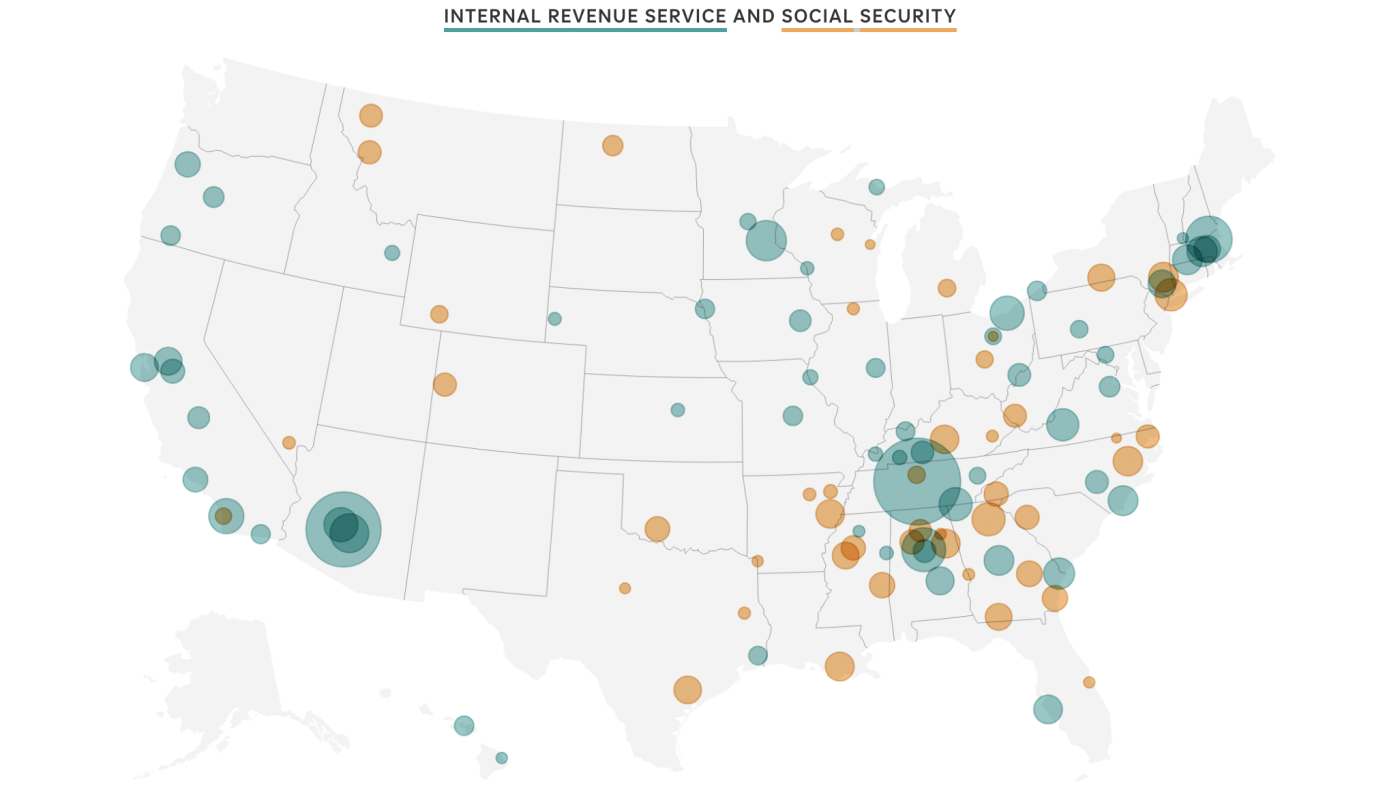
This downsizing involves canceling numerous federal building leases, reportedly saving over $100 million. While assurances are given that there will still be adequate office space available, the reality involves the shutdown of locations that house essential services, such as IRS taxpayer centers and Social Security offices in various states. These closures risk impacting services people depend on, especially in rural areas.
The upheaval includes examining and potentially selling over 1,000 federal properties, a strategy that raises concerns among employees and current government officials who describe the process as haphazard and indiscriminate.
GSA's Real Estate Approach
GSA employees have expressed concerns that the approach to property sales and employee reduction lacks thorough analysis and is fraught with errors. The inconsistency is evident, as seen when a list of 'non-core' government buildings for sale—highlighting significant sites like federal courthouses and the organization’s headquarters—was published and subsequently removed without clear explanation.
These actions leave federal workers uncertain about their future roles and the prospects of their workspaces. While the agency explores various options, including public-private partnerships, the lack of transparency has caused considerable anxiety among federal employees.
Impact on Vital Services
The strategy also affects vital community services. Planned closures include locations that perform significant roles, such as aiding taxpayers through IRS services and providing assistance at Social Security offices. Potential impacts include difficulties for citizens in accessing necessary governmental aid, which has sparked concern from officials and community members alike.
The Bureau of Indian Affairs is similarly affected, as office closures threaten to interfere with essential services provided to tribal communities, including real estate management and welfare services.
Controversy and Legal Challenges
As the GSA pushes forward with its rapid changes, the firings and alterations are already facing legal scrutiny. Recent court actions have viewed some of these terminations as potentially unlawful, especially pertaining to newer employees in their probationary status. This legal challenge is still unfolding, and a federal oversight agency has intervened to temporarily reinstate some of these terminated positions.
Furthermore, the response from employees has been one of urgency and distress, with many fearing the lack of stability in their positions and potential deterioration in the management of federal properties affecting health and operational efficiency.
Security Concerns and Workforce Adaptation
Among the many issues, the termination of employees handling sensitive information poses a security risk. Concerns include potential vulnerabilities to data breaches or exploitation by foreign adversaries. The proposed 'Space Match' initiative aims to offer federal employees shared workspace solutions, purporting cost savings and improved collaboration, although feasibility and security concerns remain.
This situation encapsulates a period of transformation and uncertainty within the federal apparatus, where strategic planning is crucial to safeguarding the interests and services upon which countless Americans rely.
Leave a Reply