


Renewed Efforts to Amend Georgia Legislation on Stone Mountain's Confederate Tribute
Georgia's Stone Mountain Park, once a symbolic home for the Ku Klux Klan and the location of the nation's most extensive Confederate sculpture, is a focal point of ongoing discussion.
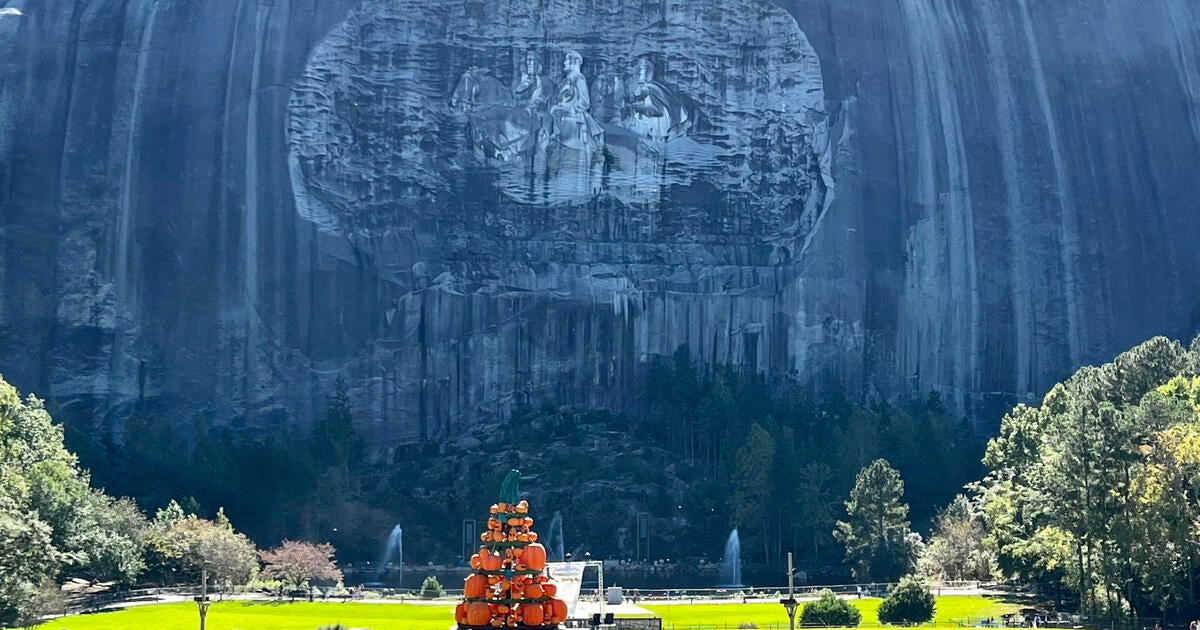
Spanning 3,200 acres and attracting over four million annual visitors, the park is predominantly known for its large engraving of Confederate figures: President Jefferson Davis, and Generals Robert E. Lee and 'Stonewall' Jackson, prominently etched into the rock face.
Marcus Patton, a member of the Stone Mountain Action Coalition, acknowledges the difficult task his organization faces in striving to create an environment that embraces diversity.
"What deeply concerns me, as someone who cherishes this area, is its strong association with the Confederacy," Patton explained in an interview.
Calls for Legislative Reform
SMAC is leading an initiative to alter Georgia's existing legislation. They propose replacing current legal text mandating 'an appropriate and suitable Confederate memorial at Stone Mountain' with new directives aimed at educating visitors on the mountain's natural heritage.
The Stone Mountain Memorial Association, the overseeing body of the park, has announced plans for an $11 million 'Truth Telling' center, slated to open soon. This exhibit aims to confront and educate about the more uncomfortable aspects of Georgia's and the South's past.
Public Sentiment and Historical Context
Parker Short, a Georgia resident, gained attention after a video he made urging for comprehensive storytelling in the park went viral. He suggested that Stone Mountain could serve more fittingly as a museum dedicated to Georgia's Civil War and Civil Rights histories.
"The monument is not a modest tribute to those from Georgia who participated in the Civil War," Short voiced. "Instead, it memorializes three generals who led a revolt against the United States, prominently displayed on the mountain face."
Patton emphasized that, aside from political leanings or regional pride, he would rather celebrate the mountain's inherent beauty than what he referred to as artificial defacements.
"This is a natural wonder, not a platform for expressing sentiments," Patton remarked, expressing a wish that the carvings had never been made.
Leave a Reply