


Trump's Call to Abandon CHIPS Act Faces GOP Resistance
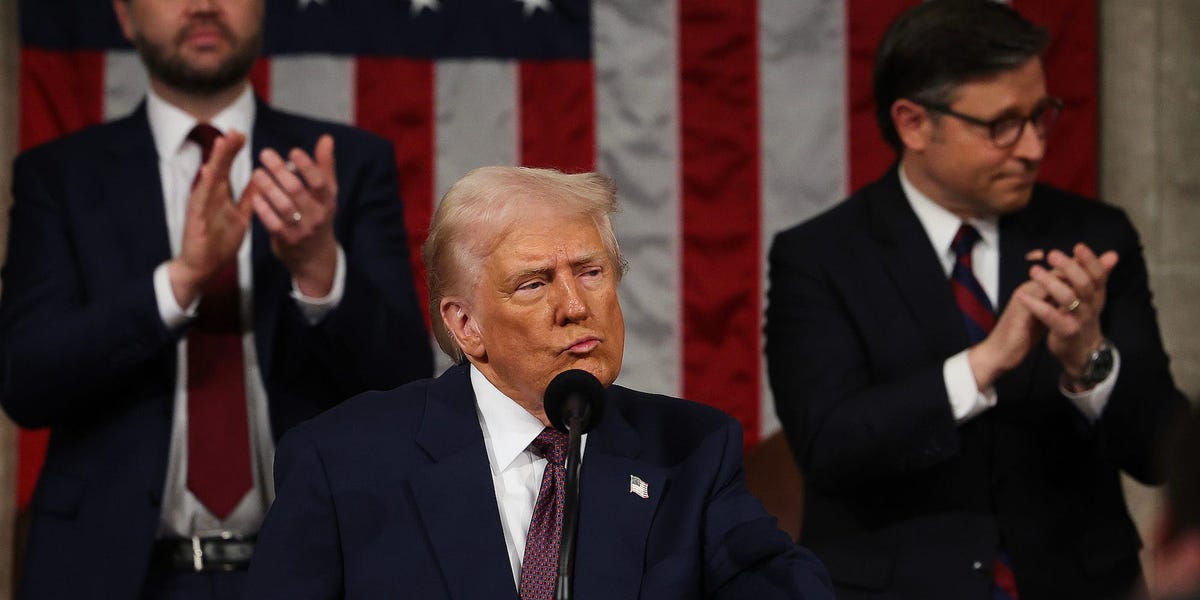
During a recent address to Congress, former President Donald Trump suggested that the bipartisan $52 billion CHIPS Act, which aims to boost semiconductor production in the U.S., should be eliminated.
He labeled the CHIPS Act as 'terrible' and advised that the remaining funds be redirected towards debt reduction or other uses. This appeal, however, was met with little enthusiasm from Republicans who had previously supported the legislation.
Senator Todd Young of Indiana, a key Republican figure behind the 2022 CHIPS and Science Act, expressed his astonishment at Trump's remarks, claiming it as one of their major achievements.
Laws Passed with Bipartisan Support
Comprised of $39 billion for manufacturing incentives and $13.2 billion aimed at research and workforce education, the CHIPS Act was crafted to diminish reliance on Taiwanese chips, create jobs, and fortify competition against China. It was well-received across party lines, including endorsements from former Senate Minority Leader Mitch McConnell, 16 other Republican senators, and almost every Democrat.
While Trump critiqued the subsidies, advocating instead for tariff-driven manufacturing, his call for repeal does not ensure action. Despite Republicans controlling both houses, aligning with his request isn't guaranteed.
Awaiting Alternatives
Repealing the CHIPS Act would necessitate not only full Republican agreement but also support from several Democrats, which seems unlikely. Senate Minority Leader Chuck Schumer highlighted the law's positive local impacts, casting doubt on legislative backing for Trump's proposal.
Arizona Senator Ruben Gallego, critical of Trump's stance, pointed out the economic benefits already seen from CHIPS Act funds in places like Arizona.
Senators like Lindsey Graham and Roger Wicker expressed willingness to consider alternatives, but they require a well-defined proposal from Trump first.
Implementation Already Underway
Crucially, much of the CHIPS Act has been operational for years, with the Biden administration allocating over $33 billion in subsidies before Trump left office. As of now, 20 companies have formal agreements accounting for 85% of the subsidies, with funding released based on performance milestones.
A spokesperson from the Commerce Department clarified that funding in these agreements can't be revoked without legislative action unless compliance issues arise.
Senator Young anticipates continued support for the initiative geared towards supply chain stability and national defense, suggesting openness to future refinements.
Gallego warned that Trump's rhetoric could deter businesses from engaging with the U.S. market if they sense instability in CHIPS funding, prompting them to explore international options.
Leave a Reply