


Europe's Quest for Power Reshapes the Energy Landscape for Power-Hungry Industries
The surge in AI technology and the rising necessity for new data centers combined with the ongoing shift in energy usage, especially in transportation, is drastically boosting electricity demand. The current power infrastructure finds itself lagging behind.
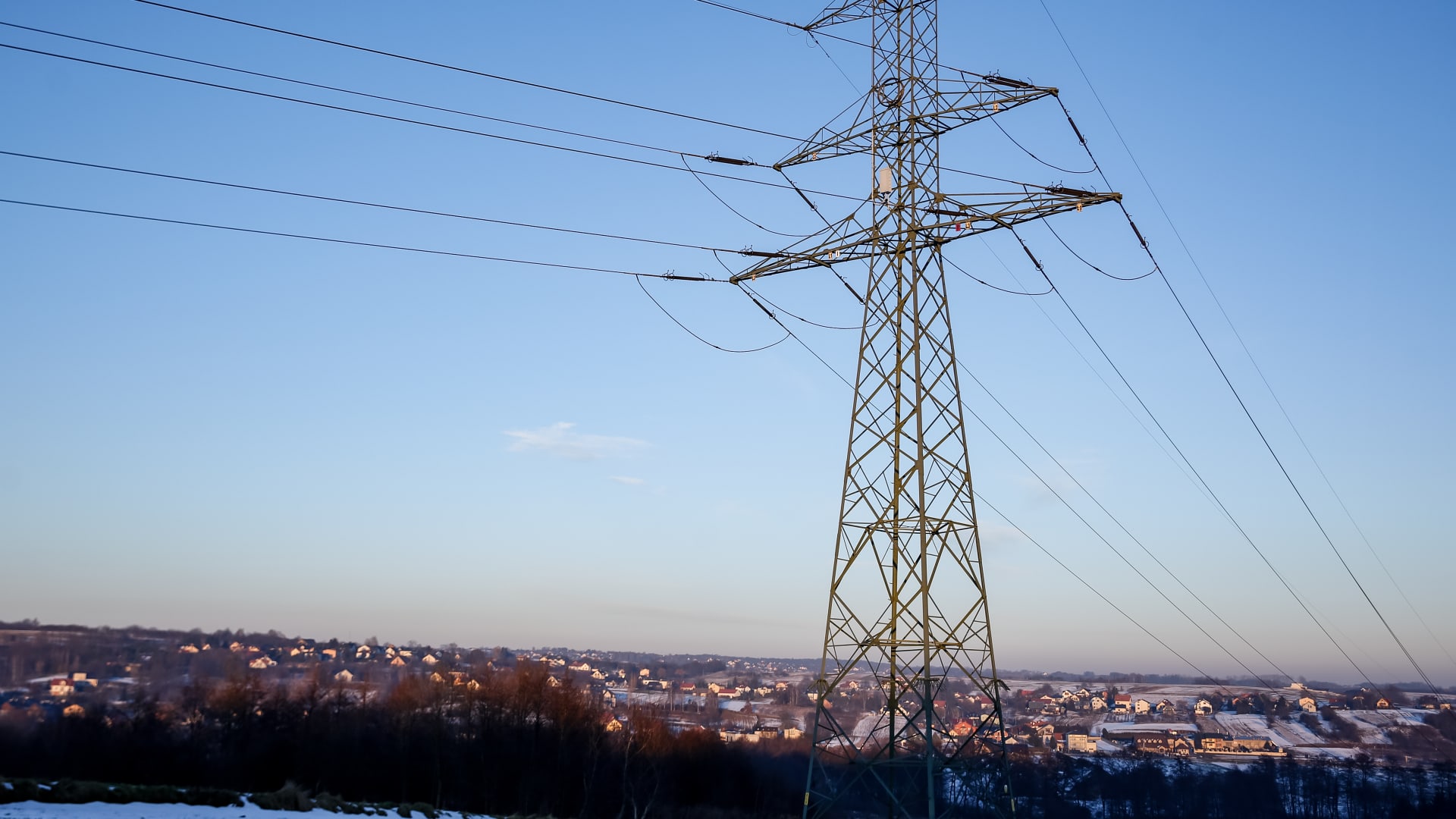
According to industry experts, companies face delays ranging from five to eight years to connect to Europe's overstretched and outdated electrical grids. The International Energy Agency (IEA) notes that a significant portion of global clean energy initiatives has faltered or been postponed due to insufficient grid links, necessitating a $700 billion influx for grid updates to achieve environmental targets.
Data centers, massive facilities required for computing power and demanding extensive energy input, are major contributors to the growing competition for grid connection, according to Diego Hernandez Diaz from McKinsey.
Hernandez shared with CNBC that some clients encounter up to eight-year waits for grid connection.
"Certain European transmission operators face multiple requests concurrently at a single node, with everyone trying to connect," he described.
Over the past year and a half, Hernandez's focus has primarily been on data centers, predicting their expansion at an annual growth rate of 20% over six years, driven by tech companies' ambitions in AI.
In a January report, an energy management company cautioned that Europe faces an imminent power shortage, with grid connection waitlists spanning three to five years in regions with limited resources.
"It's a race," commented Steven Carlini of Schneider Electric to CNBC. "Companies are striving to maximize capacity amid GPU shortages, power limits, and permit challenges."
With application numbers to connect to grids soaring from one or two annually in some countries to as many as a thousand, deployment speed is crucial, alongside the investments needed to address these issues.
For high-voltage grid operators, work complexity is increasing. In Germany, for instance, power line construction needs to rise from 400 kilometers annually to 2,000, Diaz noted.
Jerome Fournier from Nexans shared that they have an extensive backlog worth between seven and ten billion euros for electricity cables, crucial for wind and solar energy distribution.
Fournier noted the significance of reserving production capacity for smaller projects like offshore wind turbine connections, emphasizing balancing manufacturing loads with profitability.
Emerging Power Paradigm
Power shortages compel data centers to develop independent backup power ecosystems, as highlighted by Carlini from Schneider Electric.
In future frameworks, data centers could lead grid ecosystems, potentially through independent power generation via small-scale nuclear facilities.
Energy stand-by strategies are crucial as well, storing grid energy to ensure additional support when required.
According to AVK's Ben Pritchard, some nations are handling unprecedented large-scale grid connection proposals reaching 100 megawatts.
Advocating for energy shifts, microgrids, acting as self-contained power systems, are suggested as transitional solutions.
Norway is experimenting with adaptive grid connectivity, as explained by Beatrice Petrovich from Ember, allowing clients to alter usage based on grid performance.
Ember has also proposed regulatory developments for proactive electricity grid operator planning, aligning with market trends in renewable and battery solutions.
Countries advancing legal frameworks for entirely sustainable energy portfolios will end up leading this competitive scene, creating conducive environments for data centers, as noted by AVK's Pritchard.
Pritchard believes ongoing grid congestion fuels innovative thinking, facilitating notable market changes.
Limited European Progress
Despite burgeoning power needs in emerging sectors, Europe struggles with modest growth in power demands compared to global advancements, hindered by high electricity costs.
The IEA has recently lauded the era of more profound electricity demand globally, projecting 3.9% annual growth from 2025 to 2027, marking recent notable progress.
Yet Europe's forecasts remain conservative, with only a slight 1% demand rise in 2024, following two significant years of reduction, based on Ember's January report.
Ember's Petrovich marked 2024 as pivotal for electricity demand due to widespread recovery, albeit minor, across European nations.
Post the energy turmoil triggered by geopolitical conflicts, European electricity rates have stabilized but remain significantly higher than the previous twenty years' figures.
This expensive energy environment elevates operational costs, reducing new technology usage like heat pumps and electric cars.
Hernandez remarked that Europe's manufacturing sector faces extraordinary energy requirements, making them complex and costly compared to global counterparts.
While data center growth is slightly alleviating overall energy demand pressures, other factors counterbalance these benefits, Hernandez explained.
Leave a Reply