


Trump's Influence on Chinese Smartphone Giants' Global Growth
BARCELONA — The global expansion of Chinese smartphone manufacturers like Xiaomi and others remains overshadowed by the persistent U.S.-China tech and trade disagreements under the influence of President Donald Trump. Concerns arise that these companies could face similar fates as Huawei due to potential scrutiny from Washington.
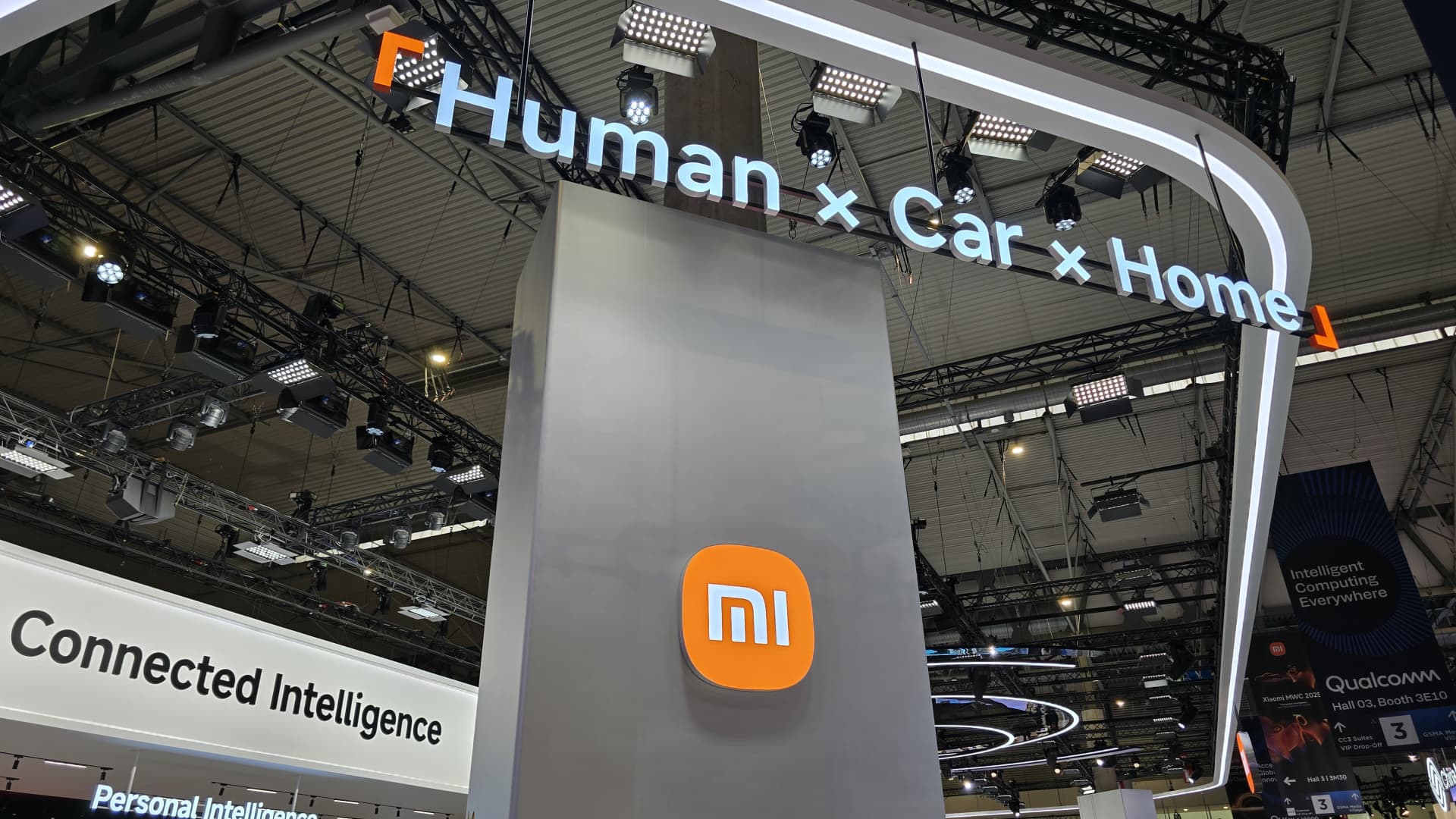
At the Mobile World Congress (MWC) held in Barcelona, prominent Chinese tech companies, including Honor and Oppo, displayed their newest innovations. Xiaomi captivated attention with its newest electric vehicle, aiming to generate excitement around their latest offerings.
An array of technological advancements featured at MWC included Oppo's new AI privacy technology and Tecno’s innovative AI glasses, marking their significant contributions to the exhibition.
Also present at the event was Huawei, showcasing its latest smartphone model available in various international markets, indicating its ongoing attempts to reclaim its global position.
Huawei serves as a stark example for other emerging Chinese brands. Once a dominant global force in the smartphone industry, it faced substantial decline due to U.S. sanctions.
As Huawei cautiously re-engages in the international smartphone market, other Chinese companies continue their rapid growth. However, Trump's return to the political scene is likely to challenge their prominence at MWC, according to Ben Wood, a leading analyst at CCS Insight.
"Regrettably for Huawei, just as they attempt a comeback, the return of Trump, allied with his 'America First' strategy, poses challenges not only for Huawei but potentially for all Chinese firms participating at MWC," Wood highlighted to CNBC.
"The presence of these Chinese manufacturers, with their significant investments, will likely face the lingering uncertainty of future responses from U.S. policies," Wood further stated.
Inquiries to Xiaomi, Oppo, and Honor for remarks were met with silence.
As Chinese manufacturers extend their influence at MWC, their global market presence continues to expand. Currently, eight of the top ten smartphone makers have their headquarters in China, with Xiaomi ranking as the third largest globally.
While Xiaomi is growing its presence across Europe, firms like Transsion are making strides in emerging markets. This expanding footprint could draw greater scrutiny, noted Wood.
"These companies must navigate a careful path in Barcelona, ensuring not to draw excessive attention, as becoming a prominent symbol of Chinese tech could trigger heightened focus from the Trump administration."
To date, Trump’s measures have largely been concentrated on imposing higher tariffs on imports from China rather than direct technology constraints.
Prioritizing European Markets
According to analysts, other Chinese manufacturers might not face the same level of constraints as Huawei, partly due to their strategic focus on European markets instead of the American landscape.
Francisco Jeronimo of International Data Corporation (IDC) suggests that the emphasis on Europe rather than the U.S. shields these brands from American governmental scrutiny.
"Their strategy to bypass the American market by concentrating on Europe reduces the risk of becoming targets of the U.S. authorities," Jeronimo relayed to CNBC.
"The risk is minimal as long as U.S. consumers remain out of their primary market focus," he added.
Some experts argue that the U.S. avoiding stringent actions against Chinese brands could be due to potential repercussions on American tech companies.
Neil Shah from Counterpoint Research points out the complexity Trump faces, given that Chinese manufacturers depend on software and hardware from American giants like Google, Microsoft, and Qualcomm.
Most Chinese smartphones outside their domestic market operate on Google's Android, while they often utilize American-designed chipsets. Furthermore, their laptops and tablets frequently incorporate Microsoft's Windows OS.
Restricting these companies' technological access could inadvertently harm U.S. tech firms, according to Shah.
"The implications of any restrictions are significant, potentially affecting the business operations of Qualcomm, Microsoft, and eventually Google," Shah elaborated.
Leave a Reply