


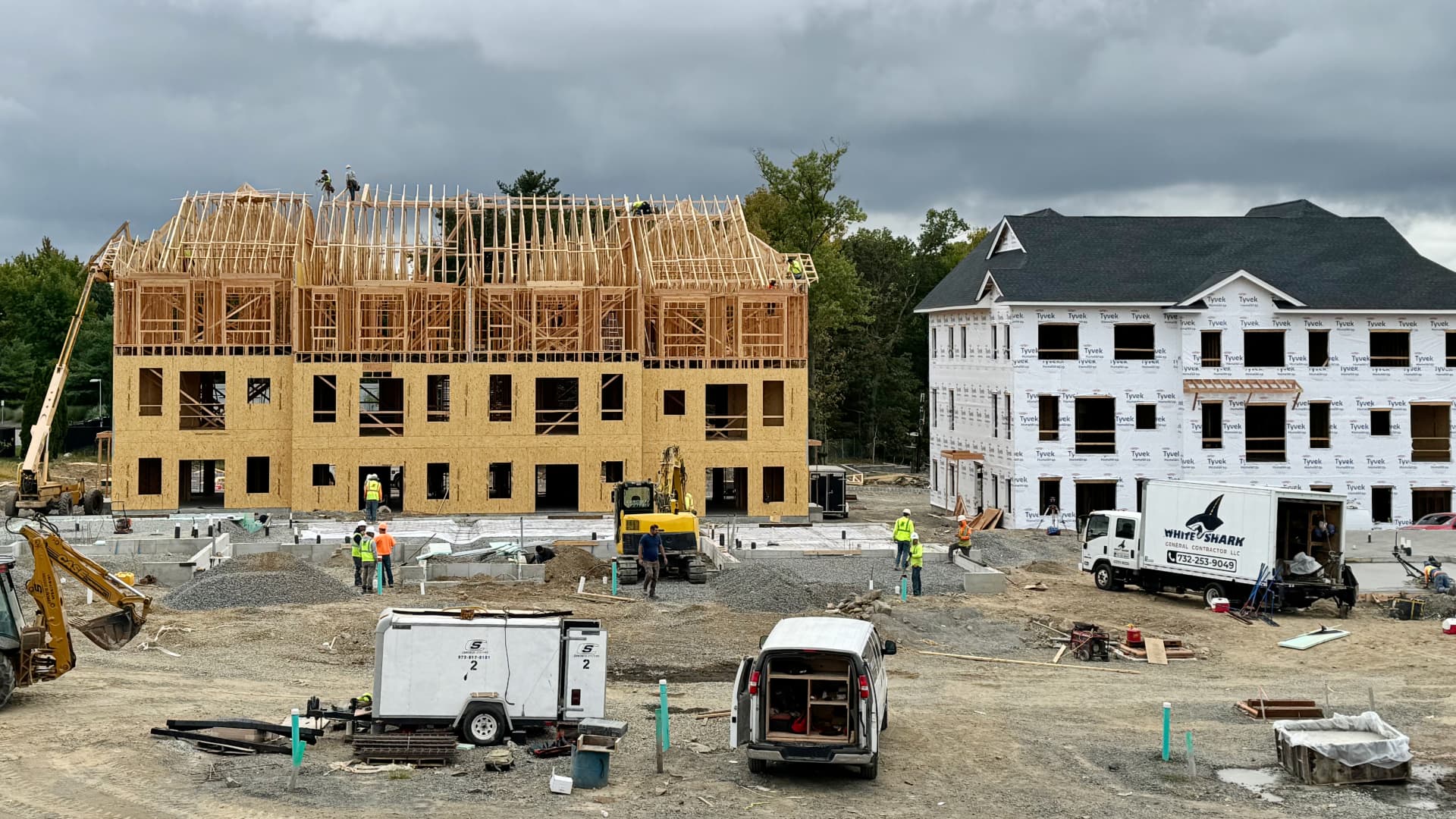
Impact of Tariffs on the U.S. Housing Sector
A significant portion of the materials required for building homes in the U.S.—from lumber and drywall to appliances and fixtures—are sourced from beyond American borders.
With recent policy changes from the Trump administration, there is an escalation in the tax levels for imports. Chinese goods now face a tax of 20%, up from the previous 10%, while imports from Canada and Mexico are taxed at 25%. In addition, Canadian lumber already has a separate tariff of 14.5%.
These tariffs are poised to inflate construction costs between $7,500 and $10,000 for each new home, as per Rob Dietz, the chief economist at the National Association of Home Builders. The NAHB previously assessed that an increase of $1,000 in the median price of a new house could exclude about 106,000 potential buyers from the market.
The primary strain on builders will likely arise from the lumber price hikes, which are anticipated to add approximately $4,900 to the cost of each home. This data is provided by Leading Builders of America, a lobby group for major publicly listed homebuilders.
A third of the lumber utilized in U.S. residential construction is Canadian, and rising tariffs mean that U.S. lumber suppliers will likely raise their prices to stay competitive.
According to Paul Jannke of Forest Economic Advisors, since the tariffs first took effect on February 1, with a subsequent delay, there has been an observed increase in the price of key timber materials. He anticipates that with the reimplementation of the 25% tariff on Canadian imports, Canadian suppliers might cut back on sending lumber to the U.S., forcing U.S. dealers to stock up before upcoming construction peak seasons, consequently driving prices further upwards.
Strategies to Enhance Domestic Lumber Supply
In response to the potential with supply challenges, President Trump’s executive order aims to boost domestic lumber output by simplifying regulatory processes. The move has been welcomed by the homebuilding sector as a way to tackle the housing shortage.
Ken Gear, leading the LBA, highlighted the importance of securing a stable and pocket-friendly lumber supply to mitigate America's housing crisis, appreciating efforts to boost national supply as a lasting solution.
While the NAHB supports these plans, they cautioned that further tariffs might elevate building expenses and hinder new development, with consumers ultimately bearing these costs in the form of increased home prices.
Handling Domestic Production Challenges
Paul Jannke estimates that setting up numerous new mills could take up to three years due to limited manufacturers of sawmill machinery, with only a few firms capable of constructing a complete mill.
The initial surge in residential construction during the COVID-19 pandemic led to an increased demand for lumber production, but many companies faced prolonged equipment order lead times and labor shortages in rural mill locations.
Kyle Little from Sherwood Lumber highlighted the complexities of immediately ramping up production, mentioning that transforming a long-standing supply chain cannot occur swiftly.
The Changing Homebuying Environment
Beyond lumber, tariffs are inflating costs across various aspects of home construction. The U.S. imports a significant share of key building materials, with China leading in home appliances and most drywall being sourced internationally.
Danielle Hale of Realtor.com pointed out that builders face difficult choices; they can either pass the costs onto buyers or reduce material usage, resulting in smaller homes.
While new developments will initially feel the greatest impact, the ripple effect will likely affect entire housing markets, including previously existing homes.
Higher prices for new homes could increase demand and prices for existing homes, while also deterring homeowners from pursuing large-scale renovation projects.
Although building costs will soar, the government points out a silver lining in the form of reduced mortgage rates since the recent elections.
Treasury Secretary Scott Bessent remarked on the significant reduction in mortgage rates, praising them as a benefit to American homeowners, despite the market pressures posed by the tariffs.
With the housing market already experiencing a downturn, marked by a historical slump in home contract signings and a persistent high in home prices alongside low inventories, the industry remains vigilant.
Leave a Reply