


Challenges Facing American Youth Under Trump's Education Changes
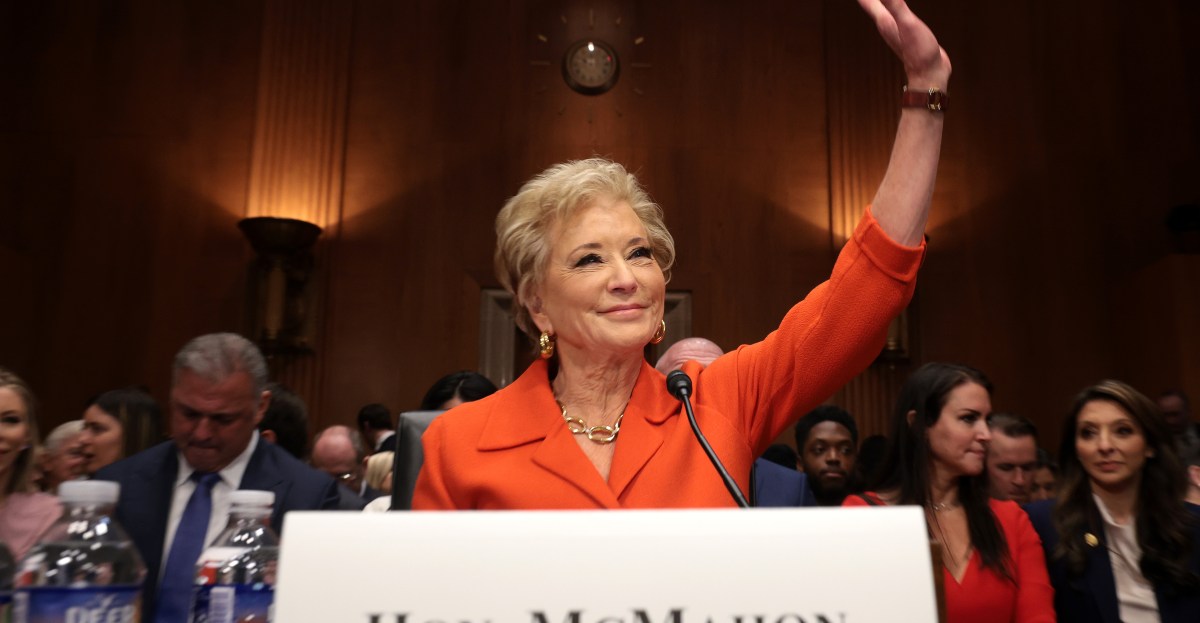
Under Donald Trump's second term, a major focus has been the restructuring of the Department of Education, originally created in 1979 to enforce federal education laws. Trump has criticized the department as inefficient, pushing for Linda McMahon, the newly appointed head, to effectively eliminate her own role.
In a communication following her confirmation, McMahon urged the department's team to participate in what she dubbed a 'historic mission' to revive traditional values in American schooling. Although Trump is considering an executive order to dismantle the department, this would require congressional approval, an obstacle McMahon acknowledged during her confirmation.
Despite these uncertainties, the department's Civil Rights office has shifted its focus towards gender issues in sports rather than its traditional role. Concurrently, Elon Musk's Department of Government Efficiency (DOGE) has aggressively cut research funding and reduced staffing levels significantly, actions that critics argue are an indirect way to dismantle the agency.
Rethinking the Role of the Education Department
The common misconception is that the Education Department dictates curriculum decisions, but these are actually controlled at the state and local levels. Thus, Trump's suggestion of returning education control to the states does not align with current practice since state and local bodies already oversee curriculum decisions.
In truth, the department's significant role lies in implementing federal policies to promote equity, especially for disadvantaged students. The Title I program, for example, channels federal funds to schools in underserved areas to boost key learning areas such as reading. Additionally, it supports special education under the Individuals with Disabilities Education Act, providing vital resources that states alone might not afford.
Higher Education and Beyond
Beyond K-12, the department plays a critical role in higher education by managing federal student aid, ensuring accessibility to financial support through the Free Application for Federal Student Aid (FAFSA). It also monitors for-profit educational institutions to prevent exploitation of students.
Moreover, the department acts as a guardian of civil rights within educational institutions, safeguarding students with disabilities and addressing racial discrimination claims.
The Vision for Change
The Trump administration's vision of restructuring could involve reallocating key functions of the Education Department to other government branches, like transitioning civil rights oversight to the Justice Department. However, implementation barriers and the potential for legislative resistance create a complex path forward.
Musk’s DOGE has already started dismantling the research functions essential for informed policy-making, leaving critical educational data collection incomplete.
Consequences for Students
The impact of these changes is palpable. Processes for handling disability rights complaints have slowed, leaving vulnerable students in precarious situations. Resources for initiatives such as early literacy and transitions for disabled students leaving high school are dwindling, raising concerns over the future support framework.
In higher education, experts warn of the potential collapse of systems fundamental to managing student loans, jeopardizing financial aid administration and income-based repayment structures.
Beyond Educational Policy
The dismantling efforts appear part of a broader constitutional challenge, questioning the balance of power among federal branches. Congressional mandates are under threat, suggesting a significant shift in how governmental functions are executed without legislative endorsement.
In light of these shifts, advocates stress the importance of voicing the experiences of those directly affected — the students, families, and educators who are on the front lines of these policy changes. Their stories remain crucial in understanding and responding to the broader educational and constitutional challenges unfolding.
Leave a Reply