


Potential Consequences of Trump's Ukraine Strategy on Global Stability
After enduring prolonged conflict, Russia's military apparatus is now intensifying efforts that could endanger neighboring nations in Europe. Insiders and experts, including former military personnel, fear that a decrease in military pressure may allow Moscow to focus on fresh confrontations.
A recent decision from President Donald Trump, as reported by sources such as The New York Times and Bloomberg, involves suspending over $1 billion in military aid to Ukraine. This action raises alarms across Europe about potential Russian moves beyond Ukraine's borders.
Retired U.S. Army Lieutenant General Mark Hertling expressed concerns that easing restrictions now would offer Russian President Vladimir Putin a respite, potentially leading to an emboldened and re-armed Russian military prepared for subsequent conflicts.
Reinforcement of Russia’s Military Capabilities
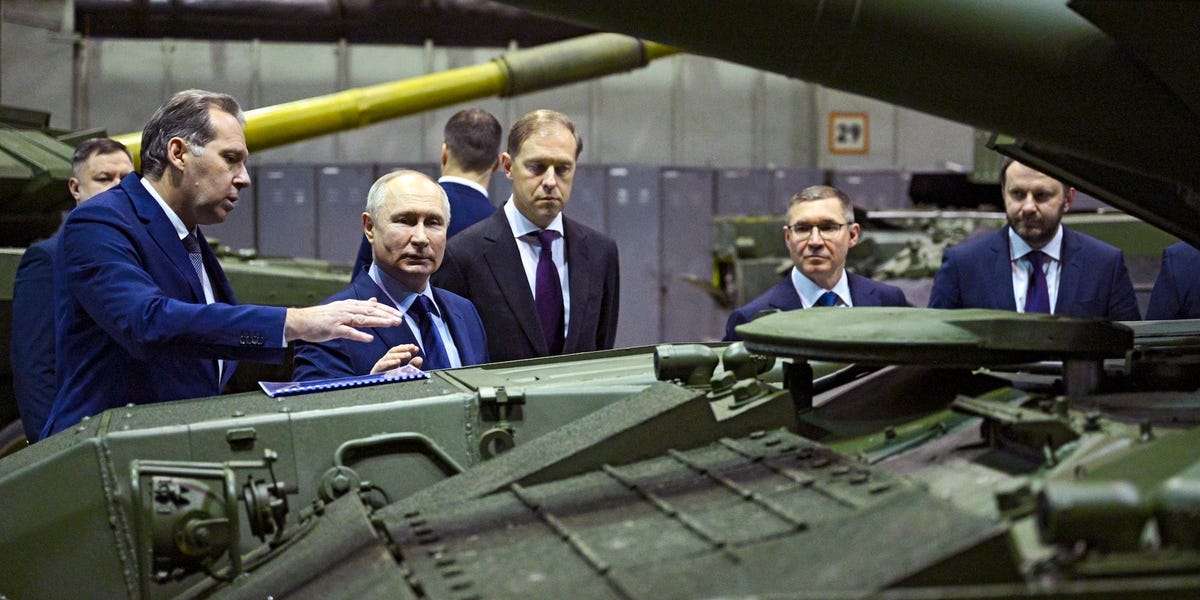
Despite heavy losses and a prolonged struggle in Ukraine, encompassing substantial troop casualties and equipment loss, Russia's military budget and production have significantly escalated. Recent analysis indicates that by 2025, Russia intends to allocate a substantial portion of its GDP to defense, surpassing European spending.
The unclear data on Russia's military manufacturing notwithstanding, reports suggest a substantial increase in the production of pivotal weapon systems, many of which have been deployed in Ukraine. The main apprehension is that, without the ongoing conflict in Ukraine, Russia would rapidly bolster its military reserves.
Implications for Europe
European leaders have long perceived Ukraine's struggle as a safeguard to the rest of the continent. Historical remarks from Lithuania's former prime minister, Ingrida Šimonytė, emphasize the sacrifice of Ukrainian soldiers for wider European security. As Ukraine faces possible foreign aid withdrawal, its continued resistance is at risk, potentially leading to a stronger Russian foothold.
Trump seems to be advocating for a peace settlement that doesn’t necessarily prevent Russia from further aggression. His envoy indicated that Europe might be excluded from these crucial cease-fire dialogues, raising skepticism about the fruition of any effective truce.
European Defense Preparedness
The looming threat of Russian militarization compels European nations to invest extensively in advanced defense systems. Nonetheless, they confront significant challenges, including production delays, which cast doubt on their readiness should U.S. support dwindle.
Denmark's defense minister, Troels Lund Poulsen, insists that aid to Ukraine must not falter even if a cease-fire is brokered, aligning with sentiments from Gabrielius Landsbergis, Lithuania's former foreign minister, who underscores that continued assistance is crucial to countering Russian resurgence.
Strategic Considerations
Analysts like Hamish de Bretton-Gordon caution that holding back without stringent terms might enable Russia to enhance its military technologies and tactics during a cease-fire.
General Hertling stresses that U.S. and Western aid acts as a critical deterrent against Russia's ambitions. Conceding ground now would potentially allow Putin to regroup and reignite conflicts, with lingering tensions in regions like Transnistria being particularly susceptible.
Collectively, Western powers, informed by Kyiv's repeated warnings, need to reassess policies to neutralize the Russian threat effectively.
As Hertling contends, this juncture represents a pivotal moment where reducing support to Ukraine could prove detrimental, especially given Russia's current vulnerabilities in both military and economic domains.
Leave a Reply