


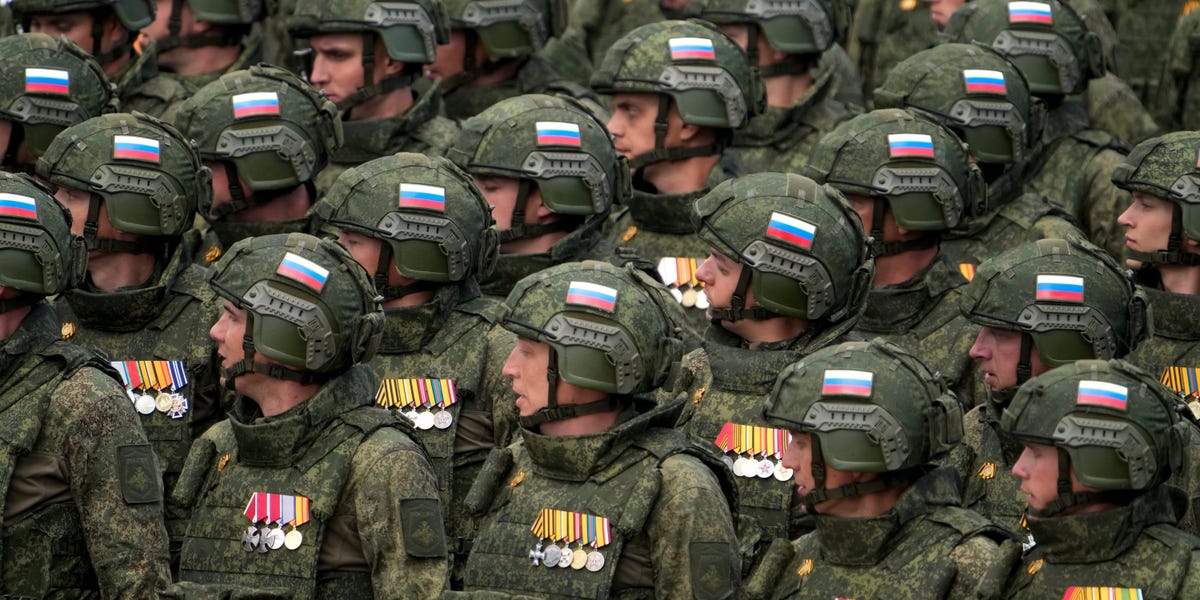
Russian Military Surpasses Recruitment Targets as Incentives Increase and Legal Loopholes Open for Enlistment
According to a senior figure from Ukraine's military intelligence, Russia is consistently exceeding its recruitment objectives. This assertion supports Moscow’s own claim that it secured over 440,000 soldiers throughout 2024.
Major General Vadim Skibitsky, in an interview highlighted by RBC Ukraine, indicated that this recruitment momentum is expected to persist into 2025.
As stated by Skibitsky, "In January, our recruitment targets were met at 107%." He noted that the topic remains pertinent, and Russian leadership appears to face no issues in replenishing or bolstering troop numbers.
Originally, Russia aimed to recruit 380,000 troops in 2024, but they increased this target to 430,000 troops and then exceeded that benchmark.
In a December statement, Dmitry Medvedev, Russia's Security Council Chair, disclosed that 440,000 new soldier contracts had been signed in 2024.
On corroborating this figure, Skibitsky mentioned that Russia is planning to enlist an additional 343,000 soldiers by 2025.
Based on previous trends from 2024, Skibitsky noted, "These recruitment plans are likely to increase further."
The capacity to recruit at this rate facilitates Russia's ongoing, aggressive campaign in Ukraine, Skibitsky remarked.
He elaborated, saying, "Approximately 80% of those who are signed under contracts are allocated to backfill military casualties."
Amid these developments, the Kremlin has significantly expanded military recruitment bonuses, which constitutes a broader strategy centered on prioritizing defense spending.
In a move made in July, Russian President Vladimir Putin enacted a directive that more than doubled the base enlistment bonus from 195,000 rubles to 400,000 rubles for the remainder of 2024.
This enhanced bonus equates to around $4,450 currently. In certain regions, incentives have surged as high as 2 million rubles, aligning with US military recruitment incentives.
Skibitsky pointed out, "For Russia, these amounts are significant," reflecting on the economic implications of such payouts.
Recent data from December by Russian officials states that the country's average monthly income stands at 86,500 rubles.
Moreover, Ukraine anticipates that Russia will intensify its recruitment of soldiers from the prison system or individuals facing legal proceedings.
Indeed, with existing recruitment efforts targeting prisons, Putin authorized legislation in October that permits those facing criminal indictments to circumvent trials by joining the military.
Skibitsky mentioned that Russia’s 2025 agenda includes integrating 30% of its forces as ‘special contingents,’ referring to units composed of prisoners or conscripts who enlist to evade legal charges.
This represents an increase from the 15% composition of such forces last year, according to Skibitsky.
He indicated, "This matter is a pressing topic for Russia's General Staff, paving the way for discussions about management strategies for these forces."
Analysts from the Institute for the Study of War, based in Washington, discussed that Russia’s elevated recruitment targets in 2024 were likely prompted by escalated military operations in Ukraine.
In recent months, Moscow has dramatically increased its deployment of troops, conducting daily assaults on Ukrainian defenses while imposing strain on Kyiv’s military resources.
Experts from ISW surmise that Russia will likely have to enhance its recruitment strategy this year to sustain this intense wartime approach.
Conclusion
Continued military assistance from the West could enable Ukrainian forces to erode the Russian military further, potentially complicating Russia's economic and defense positions, prompting necessary concessions by Putin in any substantive negotiations anticipated in 2025.
Leave a Reply