


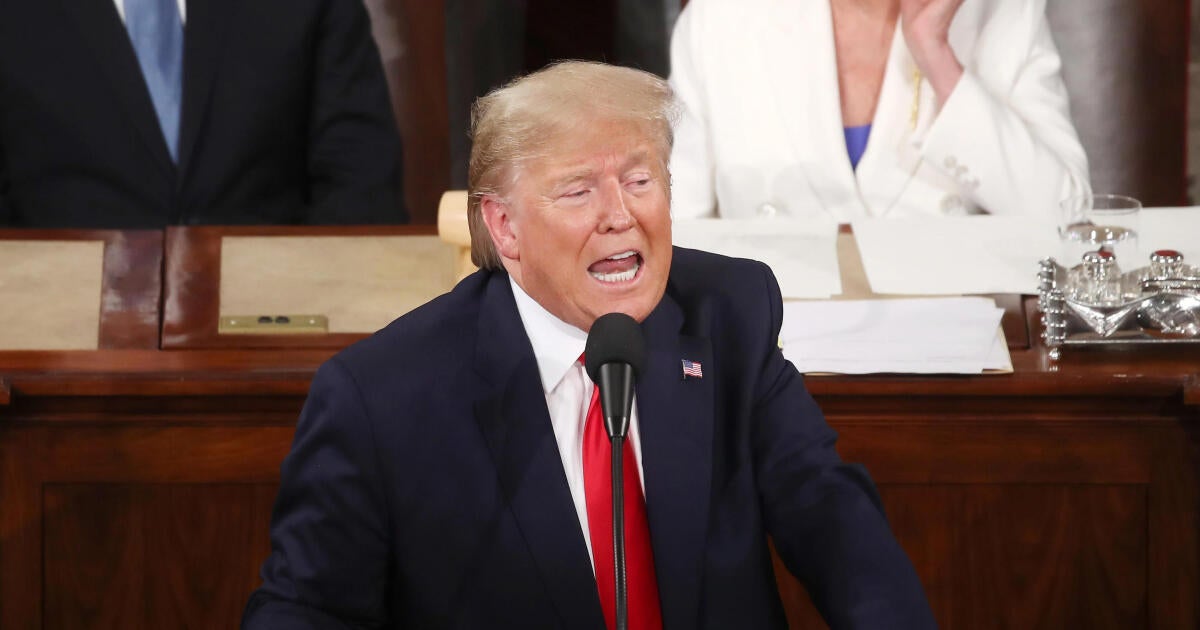
Understanding the Role of a 'Designated Survivor' During Presidential Addresses
During a presidential address to Congress, all major figures in the line of succession typically gather at the Capitol. However, one individual is selected to be absent—this individual is referred to as the 'designated survivor.' This precaution ensures that should a tragedy strike, someone from the line of succession remains alive to assume leadership.
The identity of this designated survivor is typically kept secret until the speech begins or shortly thereafter, maintaining tight security and confidentiality surrounding their whereabouts and safety.
Defining a 'Designated Survivor'
The term 'designated survivor' informally applies to a member of the presidential succession line who stays away from the joint Congressional session. This practice ensures continuity of government leadership in the unfortunate event of a disaster during such gatherings.
The guidelines for the line of succession begin with Article II, Section 1 of the U.S. Constitution, with the modern order stipulated by the Presidential Succession Act of 1947. The Vice President is first in line, followed by the Speaker of the House, the President pro tempore of the Senate, and then Cabinet members starting from the Secretary of State, based on the establishment dates of their respective departments.
The Origin of the Designated Survivor Protocol
Unlike the constitutional line of succession, the practice of appointing a designated survivor is not mandated by law. It emerged from the precautions taken during the Cold War era. The precedent for officially naming a designated survivor began with Secretary of Education Terrel Bell in 1981.
Selection Criteria for a Designated Survivor
The selection process for a designated survivor is confidential, but the basic criteria include being a native-born U.S. citizen at least 35 years of age. This ensures that the individual is eligible to assume the presidency if required. Despite this, some past Cabinet members such as Madeleine Albright and Henry Kissinger did not qualify, being foreign-born.
In 1996, President Bill Clinton selected Health and Human Services Secretary Donna Shalala as the designated survivor. Shalala recounted an instance in 2014 where she was given a tour of the Situation Room and briefed seriously on the responsibilities entailed.
Activities of a Designated Survivor
Some designated survivors have shared insights into their experiences on the designated night. For instance, Bill Richardson, Clinton's choice in 2000, described watching the address from a friend's home outside of Washington, D.C., attended by security personnel.
Others, like Dan Glickman, ex-Secretary of Agriculture, recounted being taken to a secure location alongside military and Secret Service members, with the hypothetical task of executing command over nuclear arsenal in case of an emergency.
Donna Shalala stayed in Washington, D.C., at the White House, ordering pizza for her staff and awaiting the president's return, showcasing the varied environments and low-key activities during such assignments.
Historical Designated Survivors
Typically, the designated survivor is a Cabinet member, with rare exceptions in high-profile roles like Secretary of State or Defense. The COVID-19 pandemic led to a departure from tradition, with fewer members in attendance, altering succession precautions significantly.
Contributions by CBS News
This article included insights from Caroline Linton, a distinguished editor at CBSNews.com, who has written for numerous prominent media outlets.
Leave a Reply