


Mystery Disease in Congo Worsens as USAID Cuts Hamper Response
Impact of Diminished Foreign Aid
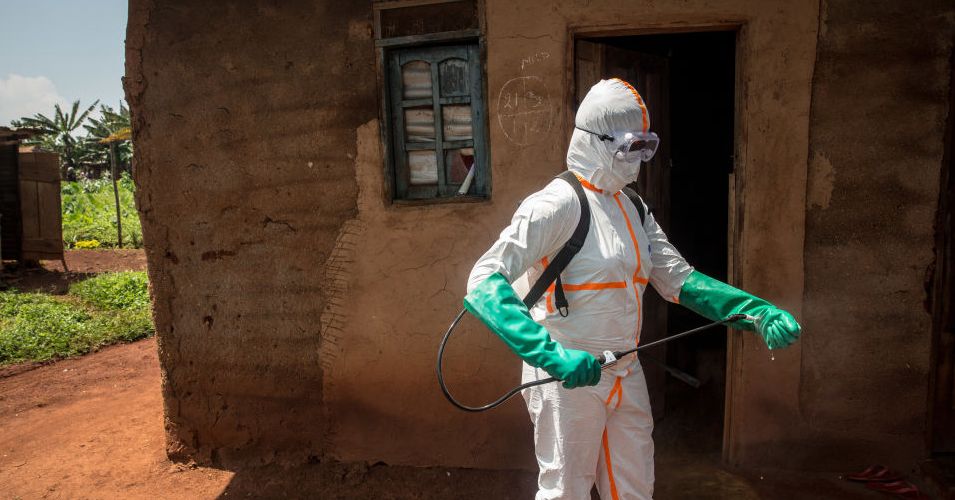
The recent reduction in international aid led by the United States has had global repercussions, with devastating effects felt acutely in the Democratic Republic of Congo. A mysterious disease, presenting with symptoms akin to those of Ebola, has devastated multiple villages, leading to the death of more than 60 people and affecting over a thousand individuals. This outbreak coincides with an Ebola epidemic in nearby Uganda, against a backdrop of escalating political tensions within the DRC.
Challenges from Government Reorganization
The efforts to combat this unnamed disease face hurdles due to restructuring efforts attributed to Elon Musk's Department of Government Efficiency, which led to the deconstruction of the US Agency for International Development (USAID). This reorganization has delayed critical research and containment actions for additional disease outbreaks.
Tim Allen, an expert in tropical disease management at the London School of Economics, reports from the contested Uganda-DRC border, declaring that medical teams have been disbanded and military presence has surged. He also notes the emptiness of a US-funded laboratory intended for zoonotic diseases.
Consequences of Aid Reductions
Nidhi Bouri, formerly a top official in global health at USAID under President Joe Biden, expressed concern about the fallout from reduced aid. According to Bouri, there's a significant absence of on-ground support previously filled by USAID, which played a substantial role in disease monitoring and prevention alongside the US Centers for Disease Control and Prevention. This support is now lacking, creating a gap that other organizations find challenging to bridge.
Despite efforts from the CDC to stay updated and propose help to DRC authorities, the US State Department has not made public comments on the situation, per CDC spokesperson Melissa Dibble.
Unsolved Mystery of the Disease
Investigations into the unknown illness continue, with no conclusive answers yet. Theories abound, with the World Health Organization considering the possibility of it being a mass poisoning from contaminated water, rather than a viral outbreak. Other experts suspect it could be a repeat of previous respiratory infection outbreaks, which were once deemed mysterious.
Malaria Funding and Broader Implications
Despite Congress allocating $795 million for malaria initiatives in 2024, with a focus on sub-Saharan Africa, much of this budget has been drastically curtailed. Martin Edlund, CEO of Malaria No More, has warned that halting preventative measures could result in significant increases in malaria cases and fatalities.
The Need for a Prompt Response
Without the rapid response once offered by USAID, the current crisis in the DRC starkly contrasts with what might have been averted. Historically, the agency has been pivotal in global public health crises, but recent dismantling efforts have undermined these systems significantly.
The Struggle to Rebuild Aid Infrastructure
A memo from Nicholas Enrich, acting assistant administrator of global health for USAID, highlighted the ongoing challenges faced due to stalled activities caused by the waiver's ineffectiveness and delays in fulfilling previously agreed humanitarian support. The memo further disclosed a refusal by USAID leadership to release crucial medical supplies, exacerbating the Ebola response in Uganda.
Global Health Security Concerns
Infectious diseases don't observe borders; an outbreak in one nation can quickly threaten others. The swift global spread of COVID-19 serves as a reminder. The US maintains a vested interest in early detection and prevention of potential pandemics to shield against cross-border contamination.
As Bouri emphasizes, rapid international travel means that a contagious pathogen can easily cross global boundaries in a matter of hours, highlighting the crucial need for robust, preemptive health security measures.
Leave a Reply