


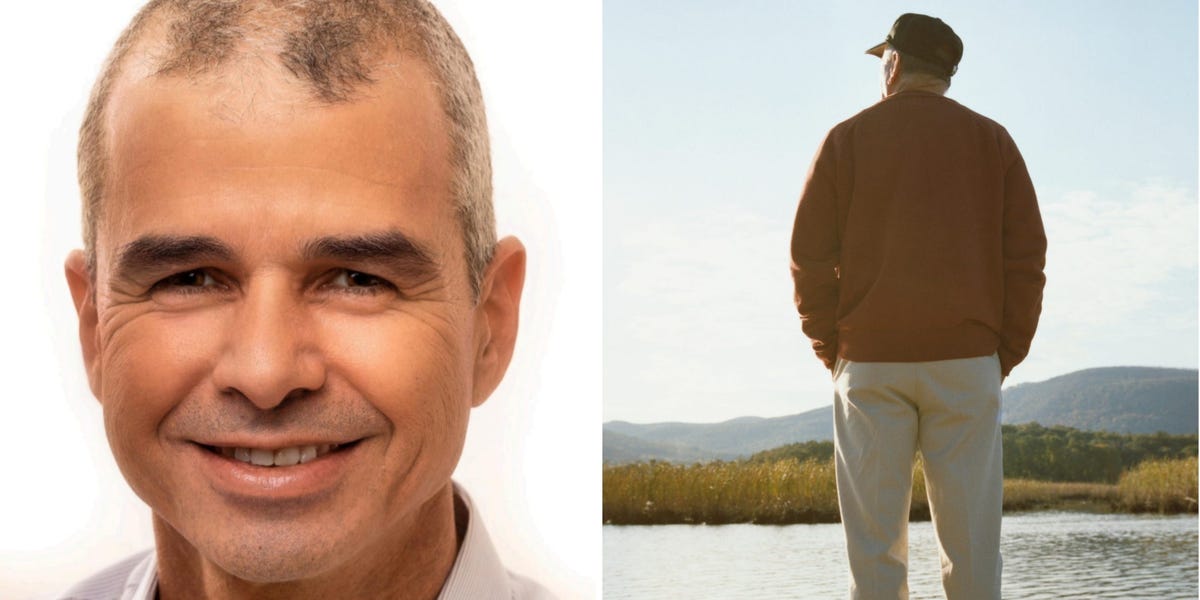
A 55-Year-Old Doctor Claims Superior Health to Two Decades Ago: His Secret to Longevity
Dr. Shai Efrati, a noted physician and academic in medicine and neuroscience based at Tel Aviv University, asserts that he is healthier now at 55 than he was in his earlier years. His advice to individuals aspiring for a longer life is clear: avoid retirement.
For the past 20 years, Dr. Efrati has meticulously monitored his health, including conducting MRI scans on his brain and assessing his cognitive and physical abilities. Speaking to Business Insider, he revealed that his health statistics are currently superior to those from his 30s.
Hyperbaric Oxygen Therapy: A Partial Credit
As a pioneer of a hyperbaric oxygen therapy center in Florida, Dr. Efrati partially attributes his well-being to this innovative treatment. Patients inhale pure oxygen within a sealed, pressurized space, which has been associated with slowing certain aging markers—though it's not FDA-approved for such uses. However, Dr. Efrati emphasizes that maintaining prolonged engagement in work is pivotal for aging well.
The Importance of Purpose in Work
Dr. Efrati observes that having aspirations for the future is vital. Being indispensable to others often helps fulfill this need for purpose. He suggests that unless confronted with physically taxing work, individuals should continue to engage in meaningful work.
An anecdote of an elder real estate agent in his nineties contemplating space realty exemplifies Dr. Efrati’s belief. Such a purposeful outlook, he argues, significantly elevates candidates’ suitability for life-extending medical regimes compared to younger, relaxed retirees.
Research Linking Sense of Purpose and Longevity
According to a 2019 study involving nearly 7,000 individuals aged 51 to 61, those with a strong life purpose had improved survival rates over 16 to 18 years. Authors suggest that purpose enhances overall well-being, which correlates with decreased inflammation.
Keeping Active: A Key to Prolonged Life
Karen Glaser, a gerontology expert at Kings College London, highlights how continued, manageable employment can safeguard mental functioning. Conversely, retiring might cut crucial social ties that enhance longevity. A recent study illustrated that social isolation in individuals aged 37 to 73 raised mortality risk by 77%, underscoring the importance of social connections.
Ben Meyers and Fabrizio Villatoro from LongeviQuest noted that enduring hard work was a frequent trait among over a thousand supercentenarians they researched.
Heidi Tissenbaum, a biology professor invested in healthy aging at the University of Massachusetts Medical School, asserts that an engaged mind and body are crucial for a lengthy, wholesome life.
Glaser further mentions that hobby pursuits and volunteer work can offer similar benefits by keeping individuals actively occupied, emphasizing that employment itself isn't the sole solution.
Leave a Reply