


The Complex Draw of Trump's Public Reproach of Zelenskyy
How some conservatives found comfort in a national debacle.
The Incident
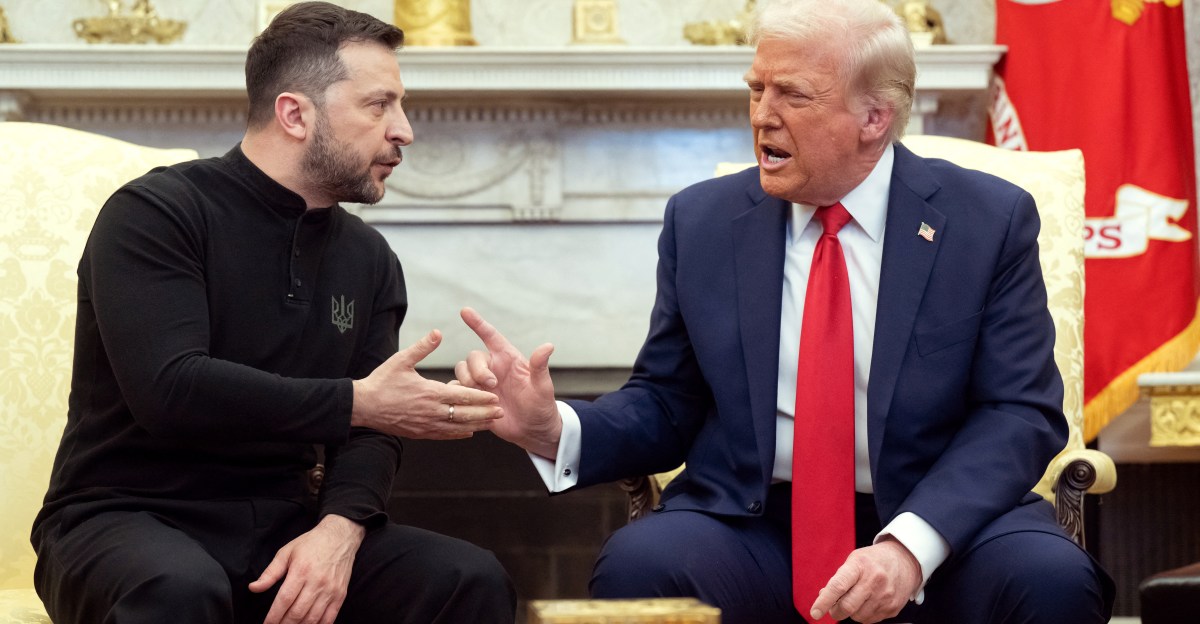
On a recent Friday evening, Donald Trump sternly criticized Ukraine's president for showing excessive animosity toward Vladimir Putin and failing to show adequate appreciation to the U.S.
This unusual confrontation concluded a press briefing with Trump, Ukrainian President Volodymyr Zelenskyy, and Vice President JD Vance. Zelenskyy visited the White House hoping to boost U.S.-Ukraine ties, partly through securing U.S. investments in Ukraine's resources. However, the meeting ended with Zelenskyy facing public derision from Trump.
Conflict Between Leaders
Trump's reluctance to criticize Putin, attributing Zelenskyy's disdain for the Russian leader as a barrier to peace, ignited tensions. Vance supported this stance, suggesting Biden's harsh rhetoric on Russia had been ineffective in stopping its aggression and that diplomacy was the solution.
Zelenskyy questioned this logic, pointing out that previous ceasefires with Russia hadn’t achieved enduring peace, leaving him hesitant to negotiate without security guarantees. He challenged Vance on what type of diplomacy he was envisioning.
Vance retorted, accusing Zelenskyy of disrespecting the U.S. by engaging the media. He insisted on gratitude toward Trump for efforts to end the conflict.
Trump accused Zelenskyy of jeopardizing lives without having any power, while both he and Vance pressed Zelenskyy to express thanks.
Reaction from Various Camps
To many liberals, some conservative foreign policy experts, and European figures, Trump and Vance's actions were seen as a dishonor: ridiculing a U.S. ally under assault weakened its negotiating stance against its aggressor.
Conversely, Trump’s supporters viewed his confrontation with Zelenskyy as liberating. The American Conservative magazine described it as a pivotal moment where a president resisted Washington's alleged aggressive foreign policy. Figures like former Trump strategist Steve Bannon praised the approach as skilled handling of an entitled leader.
Conservative Reasons for Approving Zelenskyy's Embarrassment
The enthusiasm over Zelenskyy's shaming among the right stems from two areas. One group of radical social conservatives in the U.S. admires Putin’s Russia for its traditional sexual morality in contrast to increasingly accepting Western attitudes toward LGBTQ rights.
A broader group of dissenting commentators, anti-interventionists, and nationalists believes the downsides of aiding Ukraine overshadow the potential gains, viewing Zelenskyy as a tyrant luring America into a lengthy conflict potentially as grave as World War III.
Why Some Figures on the Right Favor Putin
Putin, upon resuming the presidency in 2012 as Russia faced economic and social challenges, branded himself as a protector of traditional national values. Putin's crackdown on freedom, particularly through laws targeting LGBTQ portrayal, painted him as a champion of Christianity globally.
This perspective inspired parts of America’s Christian right, as Putin criticized Western countries for straying from Christian roots. To advocates like former Nixon writer Pat Buchanan, Putin embodied a righteous opposition to the perceived moral decline in the West.
Institutionally, the Christian right's alliance with Russia includes sponsorship from Russian oligarchs and participation in groups promoting conservative causes.
Viewing Zelenskyy as the Catalyst for Global Conflict
Though support for Putin in America is small, fatigue over Ukraine aid is more prevalent. A portion of Americans believe the U.S. has over-extended resources to Ukraine’s defense.
While some merely favor reallocating resources domestically, more staunch isolationists cast Zelenskyy as a dictator whose actions perpetuate the war, pushing for U.S. military involvement to avoid a drawn-out and unwinnable conflict.
Critics argue Zelenskyy’s demanding stance could provoke further hostilities, and some believe his rhetoric risks drawing the world toward a catastrophic war.
Trump's Rift with Zelenskyy: Ambiguity Between Imperial Gains and Peace
Trump's verbal confrontation bolstered pro-Russia sentiments by projecting disinterest in aiding Ukraine, signaling a shift in potential U.S. foreign policy.
For those focused solely on cutting war costs and reducing nuclear threats, the result of Trump's stance may validate their views. However, such perspectives often overlook the peace agendas they purport to support; the implication that withdrawing U.S. support benefits Russia challenges America’s global humanitarian commitments.
While this approach pleases those aiming for the advancement of Russian values over Western democracy, it adds complexity to discussions of authentic peace engagements.
Leave a Reply