


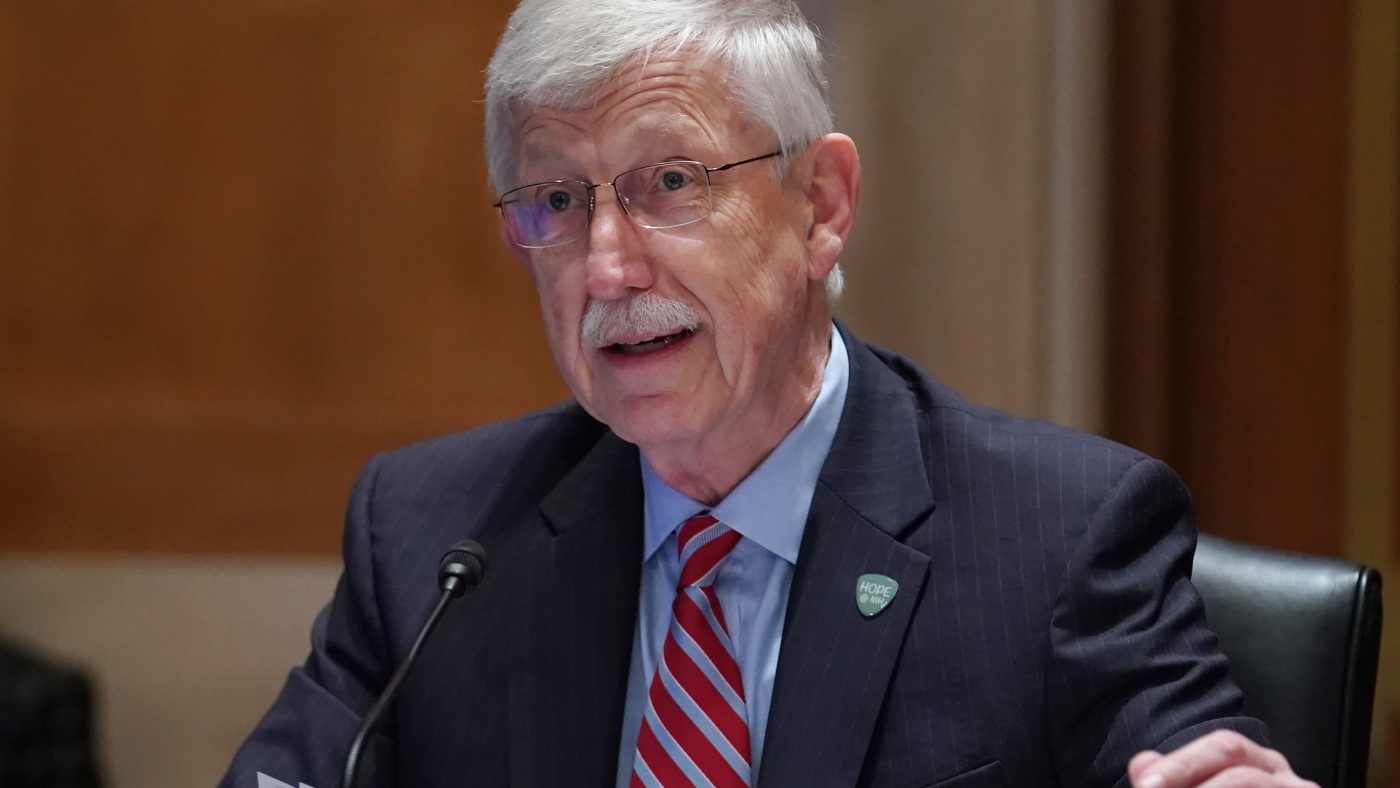
Esteemed Former NIH Leader Steps Down Amidst Agency Challenges
Dr. Francis Collins, who significantly influenced the National Institutes of Health for over a decade and continued his academic pursuits after resigning as director in 2021, has decided to leave the institution.
NPR reports that Dr. Collins, a pivotal figure at the National Institutes of Health, has officially retired from his role.
While the precise reasons for his exit remain undisclosed, his retirement aligns with turbulent times for the world's leading biomedical research supporter under the Trump administration.
"It's been a privilege to be part of this remarkable institution for 32 fulfilling years," Collins expressed in a message to Acting NIH Director Matt Memoli.
"My ongoing journey will focus on furthering knowledge, improving health, treating diseases, alleviating suffering, and promoting unity based on love, integrity, virtue, and faith."
Joining NIH in 1993, Collins led it from 2009 to 2021, serving under administrations of both political parties and is now leaving his post at NIH to return to his laboratory work.
The Intersection of Music, Belief, and Science
Collins, known not only for his affinity for music but also for his groundbreaking work in genetics, was pivotal in the Human Genome Project, an initiative that unlocked the human DNA map. His belief that science and spirituality can co-exist uniquely positions him in scientific dialogues.
Nevertheless, Collins, alongside the longtime National Institute of Allergy and Infectious Diseases director, faced sharp criticism from some lawmakers and public members during the pandemic.
Collins officially ended his tenure last Friday, although the NIH has yet to comment publicly on his retirement.
Reflections from Peers
In a message to NPR, Dr. Ashish Jha, from Brown University, remarked on Collins' profound impact as a scientific visionary, particularly highlighting his role in pioneering genomic medicine, which has led to crucial medical advancements.
While some critique his pandemic governance, many credit Collins with spearheading rapid vaccine development efforts during a challenging time.
Anticipating NIH's Next Chapter
Collins' departure joins a wave of exits among NIH's senior leadership.
"On leaving the NIH, I owe much gratitude to my colleagues whose intellect, commitment, and compassion represent the agency’s core," Collins noted.
NIH has been coping with shifts induced by Trump administration policies aimed at federal downsizing. The impacts include notable layoffs and imposed limitations on NIH public communications and grant processes, with further financial constraints threatened.
President Trump's nominee, a Stanford University economist critical of NIH's current operations, is pending Senate evaluation for the NIH leadership role.
Should he be confirmed, this individual will oversee a vast network of NIH-affiliated researchers and a substantial scientific funding operation spanning numerous institutions.
Leave a Reply