


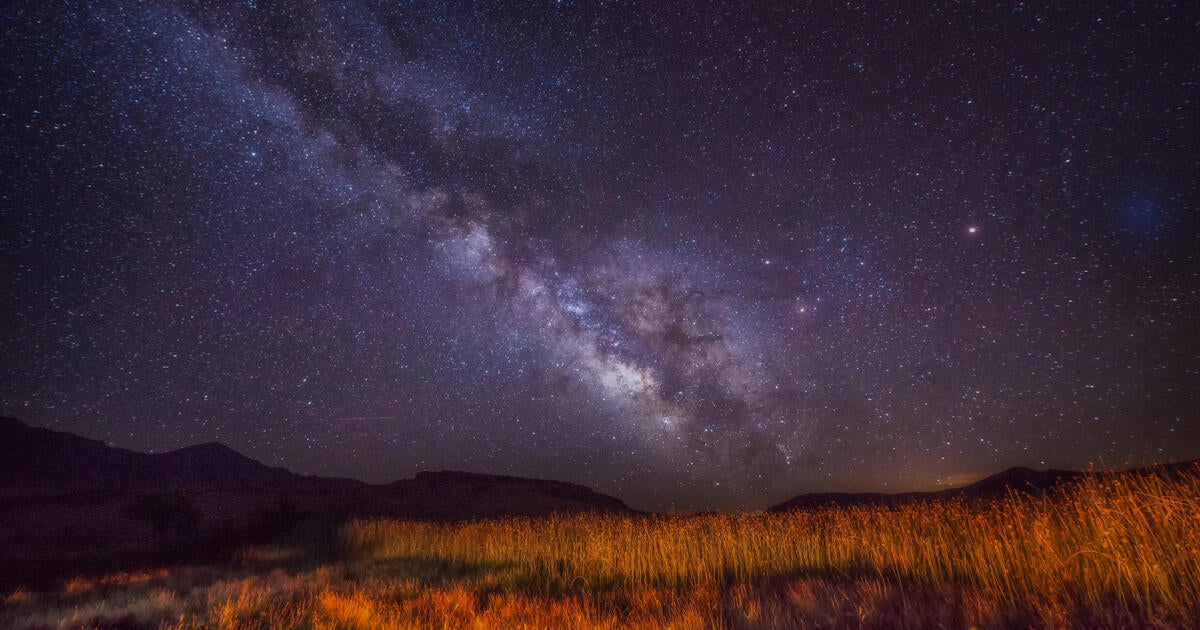
Preserving Nevada's Precious Dark Skies
Elizabeth Woosley, residing in the quaint town of Baker, Nevada, has the unique privilege of observing the Andromeda Galaxy unaided by telescopes. This luxury is becoming scarce as artificial light encroaches on America's dark skies.
As the owner of the Stargazer Inn near Great Basin National Park, Woosley champions the cause of dark sky preservation, encouraging countless Americans to appreciate these celestial views.
Originally from New England, Woosley relocated to a small community with just 100 residents. Together, she and twenty locals endeavor to earn dark sky recognition for their area, aiming to minimize artificial light from various sources.
Very few regions remain where the night sky is unspoiled by man-made illumination, with Nevada being a rarity. Woosley is part of a concerted effort to fundraise and preserve these celestial views, exploring creative solutions like promoting night-time tourism and even selling special license plates.
Light Pollution: A Widespread Concern
While determined efforts are underway in Nevada to conserve their starry nights, the ambitions stretch nationwide. Across the U.S., dark sanctuaries exist in Utah, Texas, New Mexico, and Idaho, to name a few.
Dark Sky International recognized Nevada's Massacre Rim as the first public land sanctuary in 2019, amid debates on the few truly dark remaining areas.
Proponents argue that light pollution significantly disrupts natural cycles for humans and wildlife. Studies link artificial light to firefly population declines, migratory bird fatalities, and sea turtle disorientation.
In the U.S., only a fraction of states enact legislation to curb light pollution. Nevertheless, collaborations and initiatives are growing, with about 230 sites globally supporting dark skies.
Faced with financial challenges for dark sky designations, a local organization initiated a unique funding strategy in 2018, culminating in a distinctive license plate launched by the Nevada Department of Motor Vehicles in May 2024.
With 2,000 of these plates sold, funds generated support dark sky initiatives in rural areas like Baker and the Burning Man venue of Gerlach, enhancing local efforts to attract celestial tourists.
Astro-Tourism as a Conservation Tool
Dave Cooper, neither a longtime resident nor a defender of both rural tourism and dark skies, promotes astro-tourism in Nevada. Cooper, a retiree from the Bureau of Land Management, is developing tourism centered around the night sky.
Despite infrastructure challenges in unincorporated communities like Gerlach, advocates like Cooper and Woosley believe that experiencing the awe of unspoiled night skies can catalyze change.
Though often undervalued, Woosley asserts that dark skies should be revered alongside parks and beaches, having realized their profound beauty only upon moving west.
After relocating to Great Basin National Park in 2018, and later opening the Stargazer Inn, Woosley has embraced the serene lifestyle, continually welcoming stargazers intrigued by the natural allure.
The inn thrives year-round as visitors come to immerse themselves in the mesmerizing night sky, participating in activities like new moon hikes and celestial viewings.
Woosley and her family fell in love with their surroundings—a tranquil combination of landscapes and community—that they now call home.
Leave a Reply