


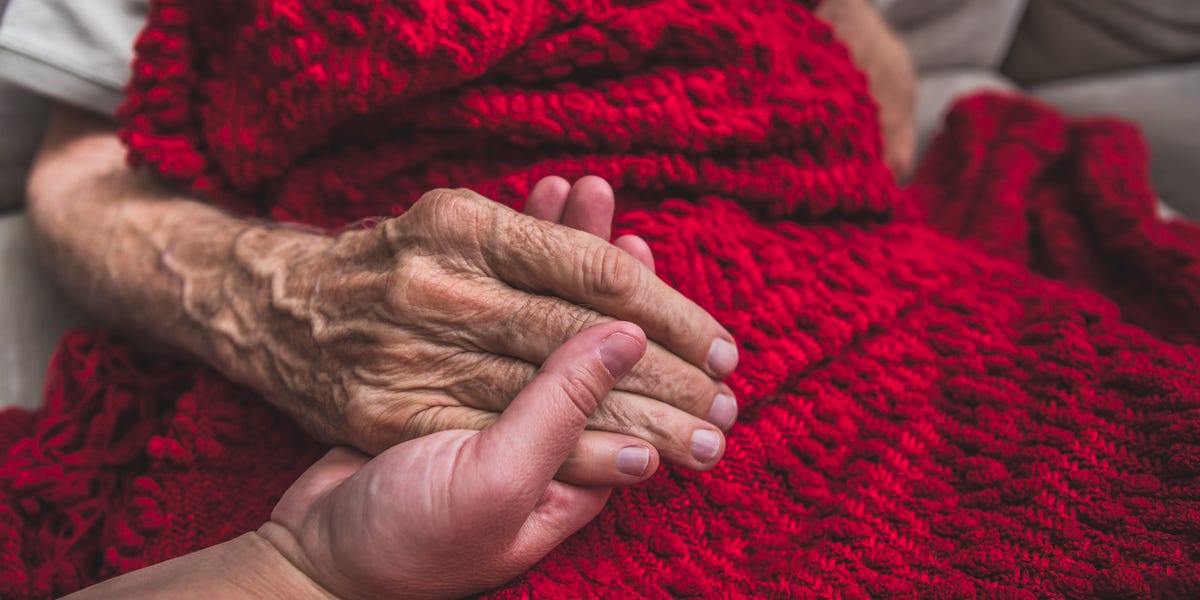
Facing Terminal Illness: An Emotional Struggle
My world turned upside down when I was 14. My parents became deeply involved in their faith, insisting we all embody these religious ideals.
In our family, maintaining a façade of piety was crucial, failure to do so resulted in punishment. I sincerely tried to adhere to their expectations for a time.
However, by 17, I was certain I didn't want the path they envisioned for me. This revelation led my parents to expel me from our home.
At the Pacific Garden Mission, I cried myself to sleep nightly, having forgone high school to juggle several low-wage jobs just to get by.
Resentment grew within me, particularly towards my mother, for the loss of my family, especially my younger brother. Now, both face death, and my emotions are conflicted.
After leaving the shelter and marrying young, family ties were completely severed. Insights into my children's future grandparents nudged my mother and I toward uneasy peace.
Family Reconnection
The arrival of my children inadvertently opened avenues of communication with my estranged mother. It wasn’t ideal, but it was something.
This stunted dialogue grew enough that my children could know their grandmother. Similarly, I renewed contact with my brother.
Over the coming decades, the relationship with my family was surface-level. We followed separate paths with minimal intersection.
A New Challenge Arises
A double diagnosis of severe illness struck my family. My brother received a Cutaneous T-cell lymphoma diagnosis, and my mother discovered she had advanced lung cancer.
A distressing phone call reported worsening conditions, prompting a swift trip to support them.
The harsh reality hit as I encountered my brother wheelchair-bound and my mother frail, preparing for end-of-life procedures. The situation was dire.
Confronting their deteriorating health was painful; nurses had to assist my brother, and my mother, frail from treatments, was untouchable for fear of infection.
Reflections and Conflicted Emotions
Spending time now with my mother as her life draws to a close has propelled me to release longstanding grievances.
While past wounds linger, I've chosen to use these final days to understand the woman my mother is, while strengthening bonds with my brother.
Yet, as I witness their struggle with incurable cancer, numbness threatens. A reluctant anger persists, surrendering fully to grief feels elusive.
Sympathy exists but is not the deep mourning expected. Instead, their potential passing feels strangely mundane.
I question the lack of expected emotional depth. Is detachment acceptable given our complex history, or does it reflect poorly on me?
Disturbing though these thoughts may be, I share them openly in therapy, striving to embrace this farewell with sensitivity and grace.
Leave a Reply