


Hamas Declines Israeli Proposal to Prolong Initial Ceasefire in Gaza
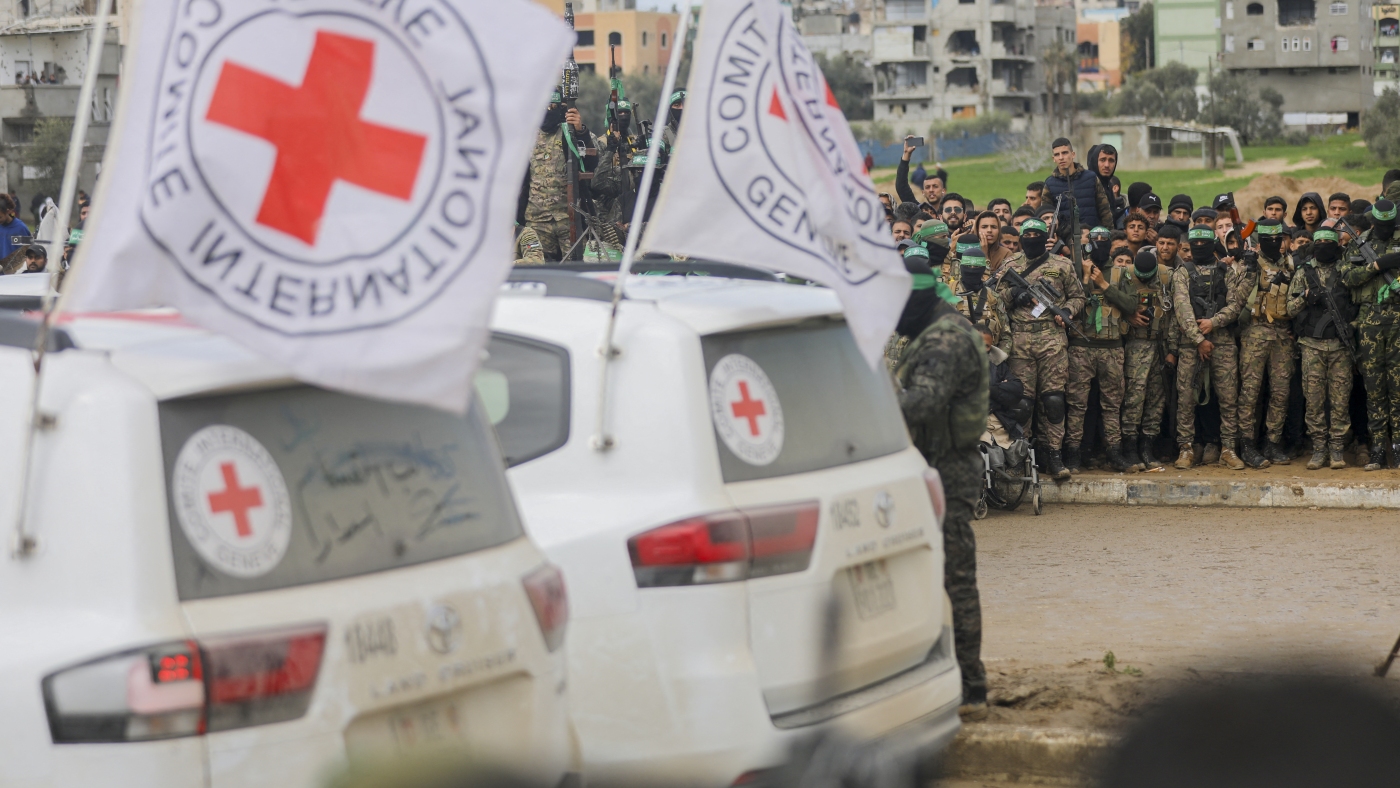
In Rafah, located in the southern part of the Gaza Strip, Hamas militants were seen monitoring the situation as a Red Cross vehicle arrived for the exchange of two Israeli captives as part of a scheduled hostage-prisoner swap.
Stance Against Israeli Extension Proposal
The Palestinian organization Hamas has voiced opposition to what it describes as an Israeli attempt to keep the first stage of the Gaza ceasefire going. Hamas insists that dialogue should shift towards discussing the subsequent stages of the agreement.
Negotiations involving representatives from Israel, Hamas, and other stakeholders occurred in Egypt on Friday. After the discussions, the Israeli delegates returned to their homeland without announcing any progress.
In a conversation with Al Araby TV, Hazem Qassem, a spokesperson for Hamas, declared that Israel's desired extension format was not acceptable.
Israeli Prime Minister Benjamin Netanyahu's office has yet to issue a comment on this latest refusal by Hamas.
Blame for Delayed Negotiations on Second Phase
Qassem has pointed fingers at Israel for stalling the initiation of talks regarding the second phase of the ceasefire, which formally started on January 19 through Egyptian mediation and is set to conclude by Saturday.
The terms agreed upon ensure that hostilities will remain paused while these discussions take place. According to Qassem, Israel's aim appears to be the retrieval of the remaining 59 hostages in Gaza and then a potential recommencement of military actions.
Details of the Hostage-Prisoner Exchange
As part of the existing ceasefire, Hamas has freed 33 Israeli individuals, which included eight who had perished, in exchange for the liberation of approximately 2,000 Palestinian prisoners from Israeli detention.
Future Phases of the Ceasefire Agreement
Proposals for the second phase involve a full Israeli military pullout from Gaza as well as a binding commitment to put a stop to the armed conflict.
Backdrop of the Conflict
The conflict ignited following a substantial assault orchestrated by Hamas militants on October 7, 2023, which resulted in the deaths of approximately 1,200 Israelis and the capture of 251 hostages.
Israel responded with a pledge to dismantle Hamas, ensuing in a campaign of airstrikes over a span of 15 months, which led to the deaths of more than 48,000 individuals in Gaza and extensive destruction of infrastructure.
Coexistence with Religious Observances
As the cessation of hostilities phases out, the sacred month of Ramadan is set to commence.
Despite the relative calm brought by the ceasefire, relief operations led by the United Nations faced challenges in sufficiently supplying Gaza with essential items, leaving many residents dissatisfied with the available provisions of food and medical aid.
Challenges Faced by Gaza Residents
At the Jabaliya refugee camp's marketplace in northern Gaza, Khalid Abu Sultan, a 33-year-old resident, expressed difficulties in purchasing affordable goods for his Ramadan meals due to inflated prices.
He remarked that the festive spirit associated with Ramadan would be notably absent this year, due to these economic hardships.
Leave a Reply