


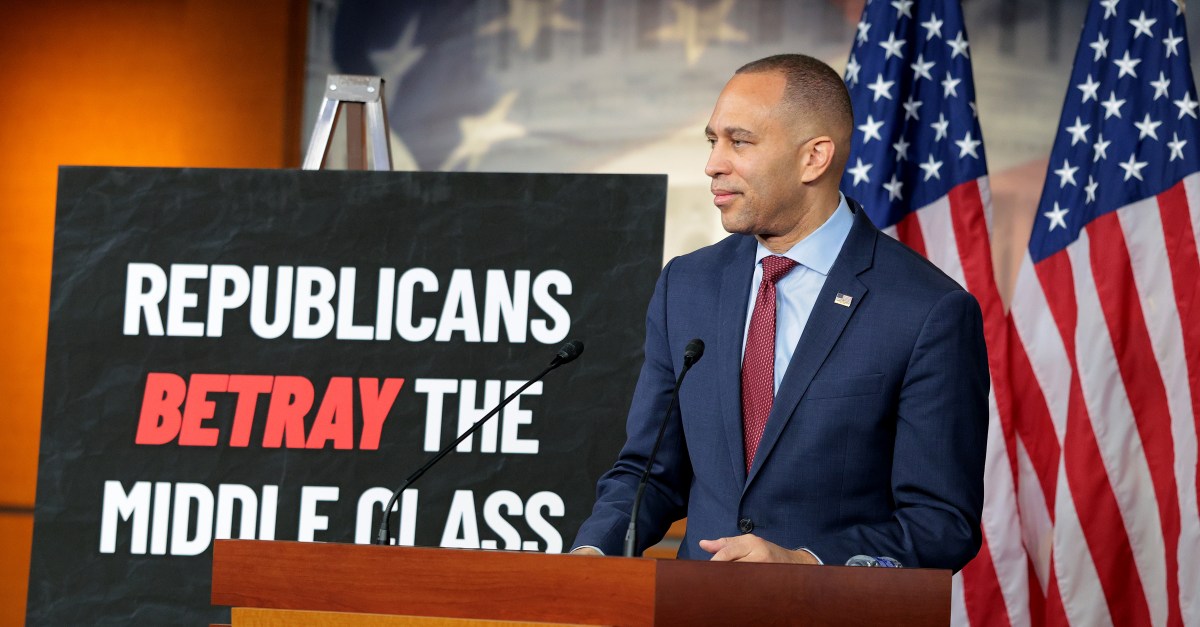
Democrats' Unpopularity and Surprising Path to Recovery
Despite unfavorable public opinion, the Democratic Party is poised for a resurgence.
The latest Gallup survey reveals that only 38% of Americans view Democrats favorably, marking their lowest approval in decades. Similarly, Quinnipiac University reports Congress's Democratic approval at a mere 21%, the lowest ever recorded. Discontent is not restricted to the general population; within the party's base, only 40% appreciate the approach to battling Donald Trump, with CNN reporting even lower satisfaction at 22%.
Turning the Tide
Nevertheless, some indicators suggest the Democrats' strategy against Trump, which includes legal challenges and sporadic media outreach, might be effective. Initially, Trump's acceptance after taking office stood at 8.2 percentage points over disapproval, a figure now reduced to just 0.8 according to averages from 538, illustrating a significant drop in approval.
Moreover, as per a Washington Post/Ipsos survey, 54% of voters favor Democrats for the next Congressional control, compared to 41% siding with Republicans. Furthermore, market predictions like those on Kalshi assign a 75% probability that Democrats will reclaim the House in 2026.
Trump's Impact
The apparent contradiction between the Democrats' low rankings and optimistic election forecasts isn't hard to decipher. The GOP, led by Trump, has engaged in policies causing public dissatisfaction, such as increased tariffs boosting living costs. This discontent is amplified by Elon Musk's disruptive actions in government, leading to further distaste.
If the Republicans maintain their current trajectory, provoking backlash could inadvertently boost Democratic chances in 2026, even if Democrats do not revise their current approach. However, to establish lasting dominance capable of curbing extreme right politics, Democrats must transition beyond being simply the lesser evil in American politics.
Economic Debacles Under Trump
A principle reason for Democratic hopeful signs isn't merely polling but Republican overreach and missteps, particularly led by Trump. His administration focuses little on reducing consumer expenses, contrary to his earlier presidential campaign promises. Imposed tariffs escalate the cost of foreign and domestic products, straining American households.
During Trump's initial term, his economic handling was rated above his general job performance, but recent surveys indicate a reversal, with significant public dissatisfaction mounting over his fiscal policies.
The Fallout from Musk's Strategies
Elon Musk's chaotic reduction of federal employment, under the guise of efficiency, sidelines numerous capable workers and creates instability within public services. The broader negative ramifications are becoming more apparent, alienating potential GOP supporters, including traditionally Republican-aligned federal employees.
Musk's demands, like asking nearly three million government workers to report weekly accomplishments, further propagate feelings of governmental incompetency, showcasing a dysfunctional administrative environment.
Medicaid Under Threat
Another cornerstone of Republican criticism lies in proposed cuts to Medicaid, a policy deemed unacceptable by 82% of voters as reported by Hart Research, including a significant portion of Trump’s own supporters.
Expansions under previous administrations have increased Medicaid enrollees, making cuts politically risky, especially in areas where GOP politicians are reliant on Medicaid-funded hospitals. These planned cuts, alongside a significant tax cut initiative, risk exacerbating the public's health care disillusionment with the Republicans.
Strategic Opportunities for Democrats
While Democrats might naturally benefit from Republican misjudgments, they cannot solely depend on this for electoral success. Political landscapes are fluid, and improved economic situations could relieve some Republican-party pressures, simultaneously exposing Democratic weaknesses.
Broader challenges remain, such as their Senate outlook due to geographic concentration of their support. For a robust congressional majority, the Democrats must diversify their voter base beyond current coastal enclaves.
Ultimately, the GOP's disregard for popular consensus represents a chance for Democrats to redefine and expand their coalition, rather than resting on the assumption of naturally succumbing voters.
Leave a Reply