


The Plight of Displaced Palestinians in the West Bank
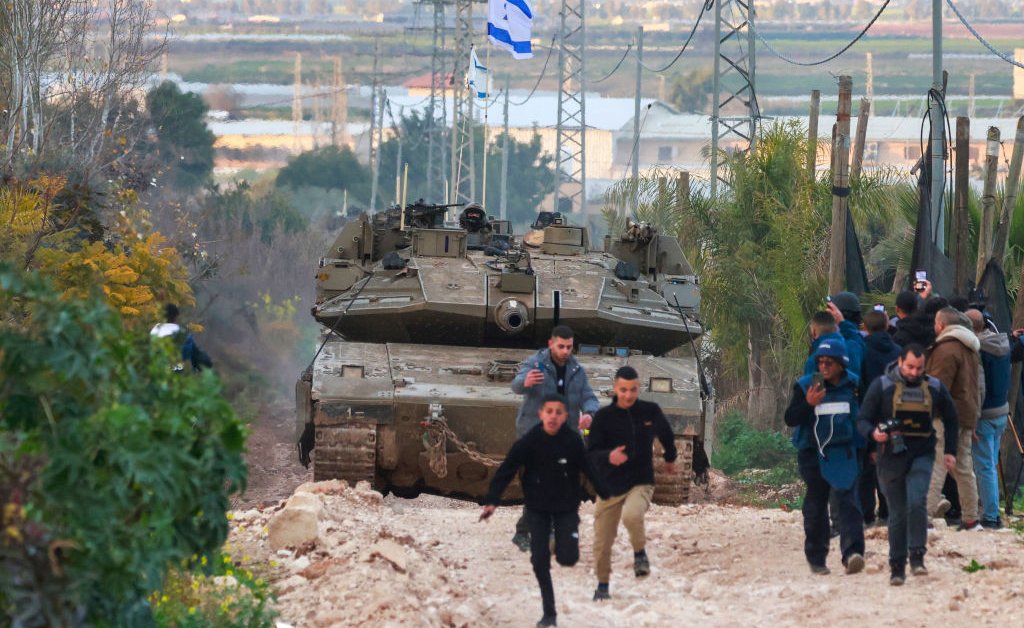
In the West Bank city of Jenin, when Israeli snipers stationed themselves in her vicinity, Haleemeh Zawaydeh swiftly realized the urgency of leaving. As gunshots echoed, the 63-year-old recounted how her family didn’t have the luxury of time to gather possessions before escaping by foot.
This recent operation in Jenin moved at a pace more rapid than past Israeli incursions, Zawaydeh observed. Following a month-long military push targeting militant factions, the United Nations counts approximately 37,000 Palestinians forced out, including Zawaydeh’s family, now uncertain about their return to their longstanding residence.
Empty Camps Await Their Future
Uncertainty looms regarding whether Israeli authorities will permit the displaced to return. The offensive has largely cleared out four refugee camps originally established for Palestinians who became refugees in the 1948 conflict. Over time, these camps evolved into densely populated areas.
In these areas, military actions have decimated roads, structures, essential services, and utilities. Statements from Israel’s defense officials suggest a prolonged occupation of at least a year, obstructing Palestinian repopulation.
Humanitarian Needs in Displaced Communities
The displaced, originating from impoverished communities in the West Bank, are facing dire circumstances, relying on temporary accommodation in adjacent villages. The U.N.’s humanitarian department, OCHA, indicates a pressing requirement for financial aid for 4,000 families to cover housing expenses.
For Zawaydeh, her current refuge outside Jenin provides safety but little solace. "I was born and raised in the camp, and now I've aged there; no place feels like home except the camp," she lamented.
A Displacement Not Seen Since 1967
Displaced Palestinians are seeking refuge through temporary rentals, or the hospitality of relatives and friends. As resources are scarce, some find temporary quarters in university housing or converted shelters. Financial distress further burdens these families, as the Palestinian Authority faces its own fiscal constraints and UNRWA, the primary aid body for Palestinian refugees, has been hindered by Israeli legislative restrictions.
Roland Friedrich, UNRWA’s area director in the West Bank, noted the unprecedented level of displacement since the 1967 Arab-Israeli conflict. That period saw a quarter of a million Palestinians uprooted from their homes with Israel's occupation of new territories.
Ongoing Conflicts and Refugee Camp Incursions
Following Israel’s declaration to curb West Bank militant activities in January, its military launched operations in Jenin. The assaults have intensified in comparison to past engagements and widened to encompass nearby strongholds of resistance like Tulkarem, Far’a, and Nur Shams.
The Israeli military reports extensive engagement with militants within these now-evacuated camps. These actions evoke memories of the 1948 conflict, emphasizing a troubled history of forced evacuations.
Devastation of Heritage and Homes
Displaced individuals returned briefly to Nur Shams camp to reclaim belongings before Israeli forces could dismantle their homes. Despite knowledge of planned demolitions, military motivations remain undisclosed.
Mohammed Abdullah seized this window to honor the memory of his son, lost in prior violence, and collect personal items amidst widespread destruction. "Every place and object holds memories," he shared.
In Jenin and Tulkarem camps, the military's impact is evident—housing, businesses, and infrastructure lay in ruins, intensifying the community's despair.
Struggle for Survival and Return
In Jenin, a shelter previously aiding the visually impaired now hosts 85 displaced people. Its converted spaces divided by gender and age show a community adapting under duress, sustained by charitable aid.
Amid escalating financial strain, families attempt fruitless visits to their former communities, thwarted by military obstructions including checkpoints and surveillance technology.
Limited Support and Increasing Tensions
The Palestinian Authority, beleaguered by financial woes exacerbated by Israel's withholding of crucial funds, struggles to coordinate relief efforts. Criticisms of its capabilities, especially within camps, are rampant.
UNRWA encounters operational challenges due to restrictive Israeli laws affecting evacuation processes and coordination.
A protest by displaced men outside Tulkarem characterized the sentiment of determination, emphasizing that the displacement is unacceptable and calling attention to their cause.
Leave a Reply