


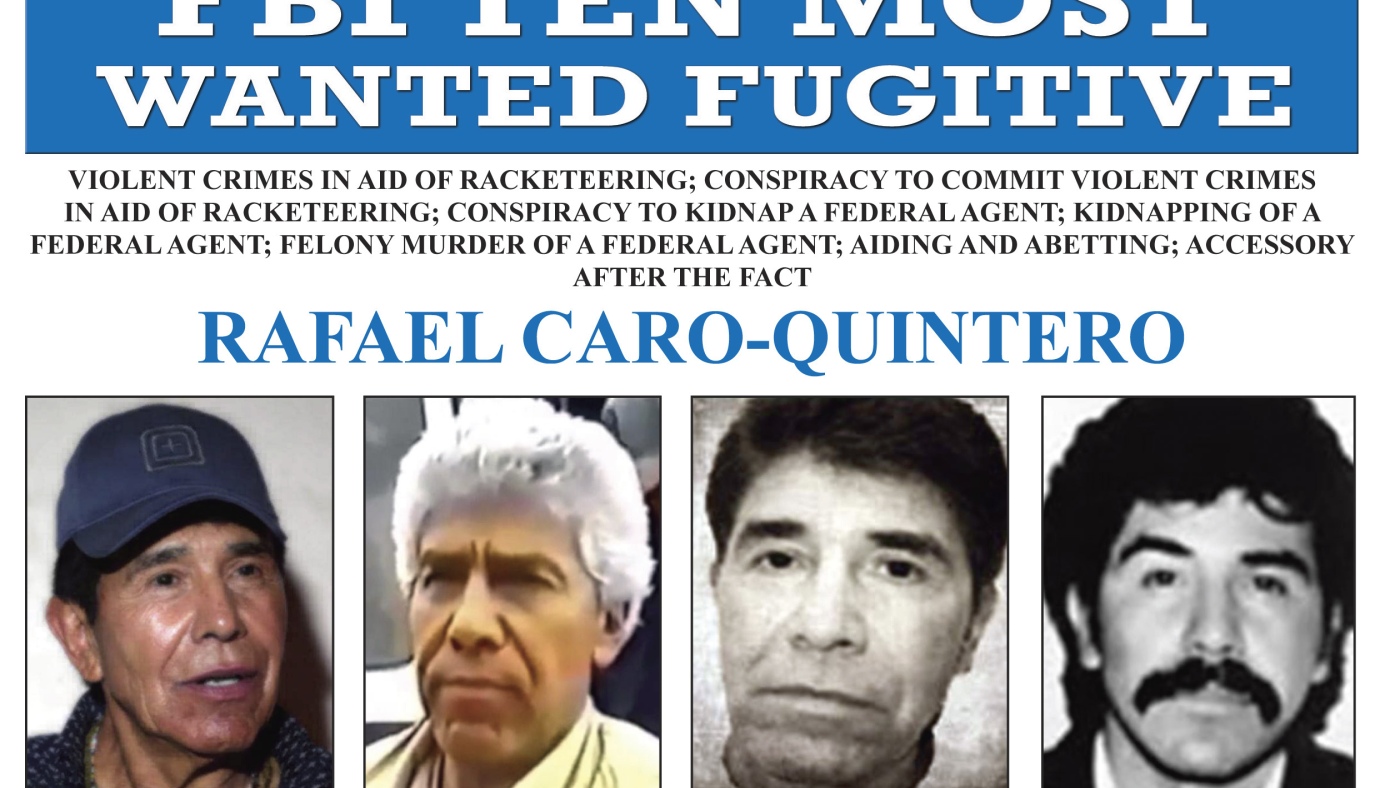
Extradition of Caro Quintero and Others by Mexico to the U.S.
In a move reflecting significant cooperation in security, Mexico transferred 29 individuals linked to drug cartels, notably Rafael Caro Quintero, to the United States. Caro Quintero is infamously connected to the 1985 murder of a DEA agent, a case previously straining U.S.-Mexico relations.
This action aligns with a political maneuver, as Mexican officials engage with U.S. counterparts in Washington to prevent the implementation of proposed 25% tariffs on Mexican products.
Key Cartel Figures Extradited
Those extradited to the U.S. were gathered from various detention facilities throughout Mexico and flown to eight different American cities. The group consisted of operatives and leaders from major criminal organizations labeled as 'terrorist groups' by former President Trump.
Notably, among them was Vicente Carrillo Fuentes, a notable figure of the Juarez cartel, along with various other crime lords linked to drug and violent crimes.
Implications of the High-Profile Extradition
The prisoners face a myriad of charges, including drug trafficking and murder. U.S. Attorney General highlighted the importance of these prosecutions in continuing the fight against criminal cartels.
The timely extradition followed increased political pressure from the Trump administration, which had previously categorized multiple Mexican drug organizations as terrorist threats.
Diplomatic and Economic Context
This legal maneuver took place during a series of high-level discussions in Washington aimed at deferring the proposed tariffs conditional upon Mexico addressing cartel activities and unauthorized migration.
The steps taken by Mexico were described by experts as a notable milestone for DEA accomplishments and bilateral cooperation strategies.
The Long Pursuit of Caro Quintero
The extradition of Caro Quintero, who was previously included in the FBI's top ten most wanted list, marks a significant development in a lengthy legal saga since his release in 2013.
Family members of fallen DEA agent Enrique Camarena have persistently lobbied for Quintero's extradition to achieve judicial closure.
In a calculated effort to comply with U.S. demands, Mexican authorities bypassed traditional extradition processes, a point reflecting Mexico's intent to fortify its partnership with the U.S.
Consequences for Cartel Operations
The extradition of figures like the Treviño Morales brothers signals a shift in how Mexico handles high-profile trafficking offenders, potentially provoking a response from criminal networks.
Security analysts caution that this shift, while significant in legal and diplomatic terms, might escalate tensions with criminal associations traditionally accustomed to the relative security of Mexican custody.
Leave a Reply