


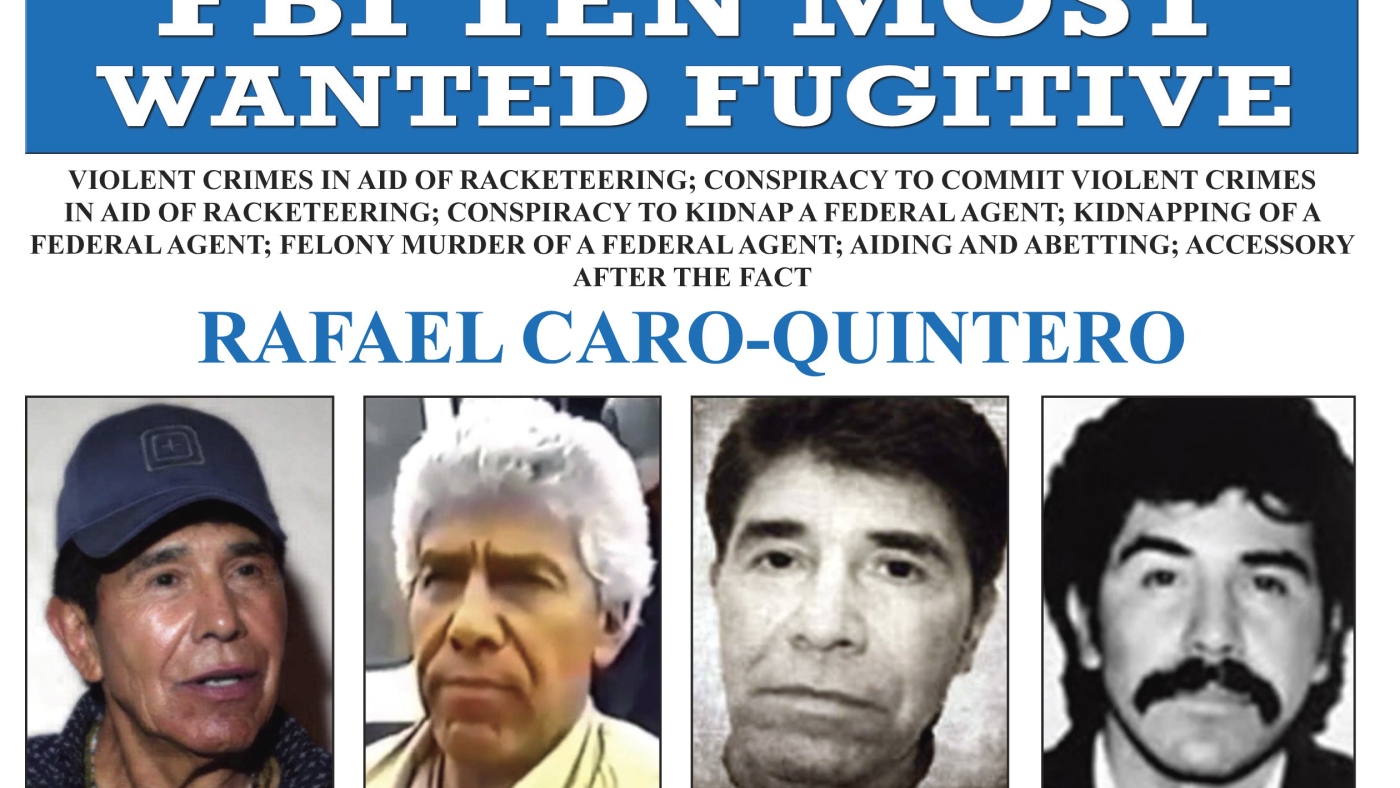
Mexico Transfers Drug Lord Caro Quintero and Associates to U.S. Soil
In a significant move against narcotics syndicates, the Mexican government extradited 29 prominent cartel figures to the United States, prominently including notorious drug lord Rafael Caro Quintero. This action marks an intensified effort by the U.S., especially under the Trump administration, to counteract drug trafficking operations.
The strategic extradition coincided with crucial discussions in Washington D.C., where Mexican officials aimed to dissuade the U.S. from imposing a steep 25% tariff on Mexican goods starting the following Tuesday.
These individuals, from various correctional facilities across Mexico, were transported to an airport just outside Mexico City, from where they were flown to several locations in the United States, as reported by the Mexican authorities.
Profiles of Cartel Figures
Included were top members from major criminal organizations, tagged as 'foreign terrorist organizations' by the Trump administration. Leading figures from the Sinaloa cartel, financiers, and a suspect tied to the murder of a North Carolina deputy were among those extradited.
Among the extradited was Vicente Carrillo Fuentes, who once led the Juarez cartel, closely associated with his brother, Amado Carrillo Fuentes, infamously known as “The Lord of The Skies.” Legal charges range from drug trafficking to homicide.
Diplomatic Leverage
The timing matched with visits from Mexican dignitaries, including Foreign Affairs Secretary Juan Ramón de la Fuente, meeting their American counterparts like U.S. Secretary of State Marco Rubio, amidst tariff negotiations.
Former DEA intelligence chief Mike Vigil labeled this an unprecedented cooperation in Mexico's history, noting its potential as a pivotal moment for the Drug Enforcement Administration.
Importance of Caro Quintero's Extradition
Rafael Caro Quintero’s transfer to U.S. custody followed his elusive freedom since 2013 after his early release. His re-arrest in 2022 reopened wounds from the 1985 slaying of DEA agent Enrique 'Kiki' Camarena, a diplomatic sore spot between the U.S. and Mexico.
Efforts to bring him to U.S. justice intensified, propelled by both personal appeals from the Camarena family and escalating political demands during tariff discussions. The significant $20 million reward underscored the urgency.
Statements from U.S. Attorney General Pamela Bondi reflected a commitment to thoroughly prosecuting these cartel figures, honoring law enforcement sacrifices against narcotic-related violence.
Strategic Outcomes
This resolution represents not just a tactical but also a political victory. By sidestepping formal extradition protocols, Mexico inclined favorably towards U.S. interests, potentially allowing broader latitude in prosecutorial charges against Caro Quintero, possibly including the murder of Camarena.
The political climate had previously seen strained cooperation, with former President López Obrador’s reduction in DEA collaborations due to undercover operations in Mexico. This extradition could mark a shift in bilateral dynamics.
Implications for Cartel Dynamics
The extradition involved high-profile cartel members like the Treviño Morales brothers, central figures in Los Zetas. These exits from Mexico challenge traditional power structures that allowed imprisoned leaders to maintain influence.
Security analysts signal potential cartel backlash. The abrupt end to a system where jailed kingpins kept control might incite intense reactions against Mexican authorities in retaliation for this strategic concession to the U.S.
Leave a Reply