


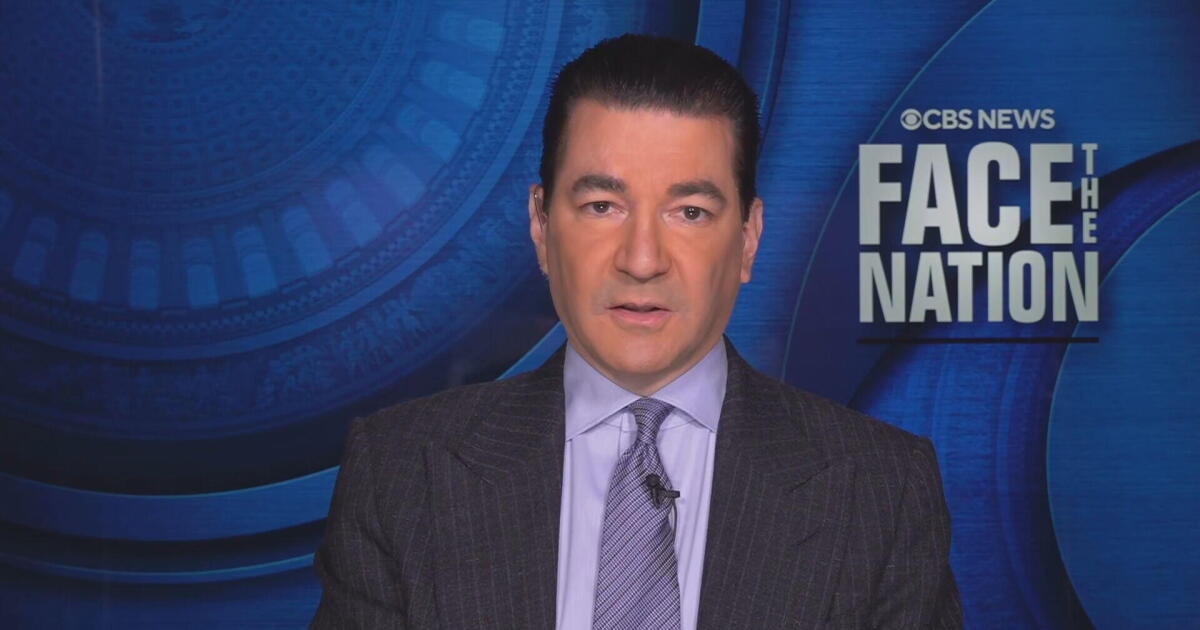
Interview with Dr. Scott Gottlieb: Key Health Concerns
MARGARET BRENNAN welcomed Dr. Scott Gottlieb, former FDA leader and current Pfizer board participant, for a discussion on urgent public health issues.
DR. GOTTLIEB: Pleasure to be here.
Tracking Disease Outbreaks
BRENNAN: With nearly 100 individuals affected by recent measles incidences in Texas and New Mexico—primarily among the unvaccinated—how worried should we be about further dissemination?
GOTTLIEB: Our worry is real. Anticipate more cases, possibly in the hundreds, over several months. Given the clustered vaccinations, the virus is likely to spread beyond the outbreak sites. Areas with lower immunization levels, like Idaho and Alaska, are particularly vulnerable, posing a risk to the United States’ measles elimination status.
The possibility of economic and travel repercussions underscores the necessity for high vaccination rates since herd immunity is achieved between 93-95%, while some areas lag behind significantly.
Vaccine Hesitancy and Leadership
BRENNAN: Criticism from figures like HHS Secretary Robert F. Kennedy Jr. suggests the measles vaccine isn't necessary and poses risks. Can he now advocate for its necessity?
GOTTLIEB: Changing perceptions is challenging, especially without addressing concerns vocally. Despite critiques, the MMR vaccine is effective, and measles can have serious impacts. Hospitalizations already reported include vaccinated but incompletely dosed children.
Despite extensive studies debunking the vaccine-autism link, skepticism remains. Good public health communication could help regain confidence in vaccination.
Public Health Policies at the Border
BRENNAN: The administration debates using Title 42 to control diseases like TB at borders. How justified is this?
GOTTLIEB: The current border policy effectively curbs illegal entry; thus, adding public health measures might be redundant. Yet, TB rates, though elevated in some incoming regions, are not as significant compared to global hotspots.
Many countries exhibit higher TB occurrences than border areas, suggesting a need for more focused health screenings at traditional checkpoints rather than just at border crossings.
Federal Health Staffing Concerns
BRENNAN: Should public worries increase over dismissals within federal health bodies?
GOTTLIEB: No immediate fear is necessary. Agencies are re-employing crucial staff, particularly in review and inspection roles. While workforce reductions seem steep, careful selection of essential personnel is being prioritized, particularly at the FDA.
BRENNAN: We’ll have to wrap it up there, thank you for sharing this insight, Dr. Gottlieb.
Leave a Reply