


Impact of U.S. Tariffs on Steel and Aluminum: Rising Grocery Costs
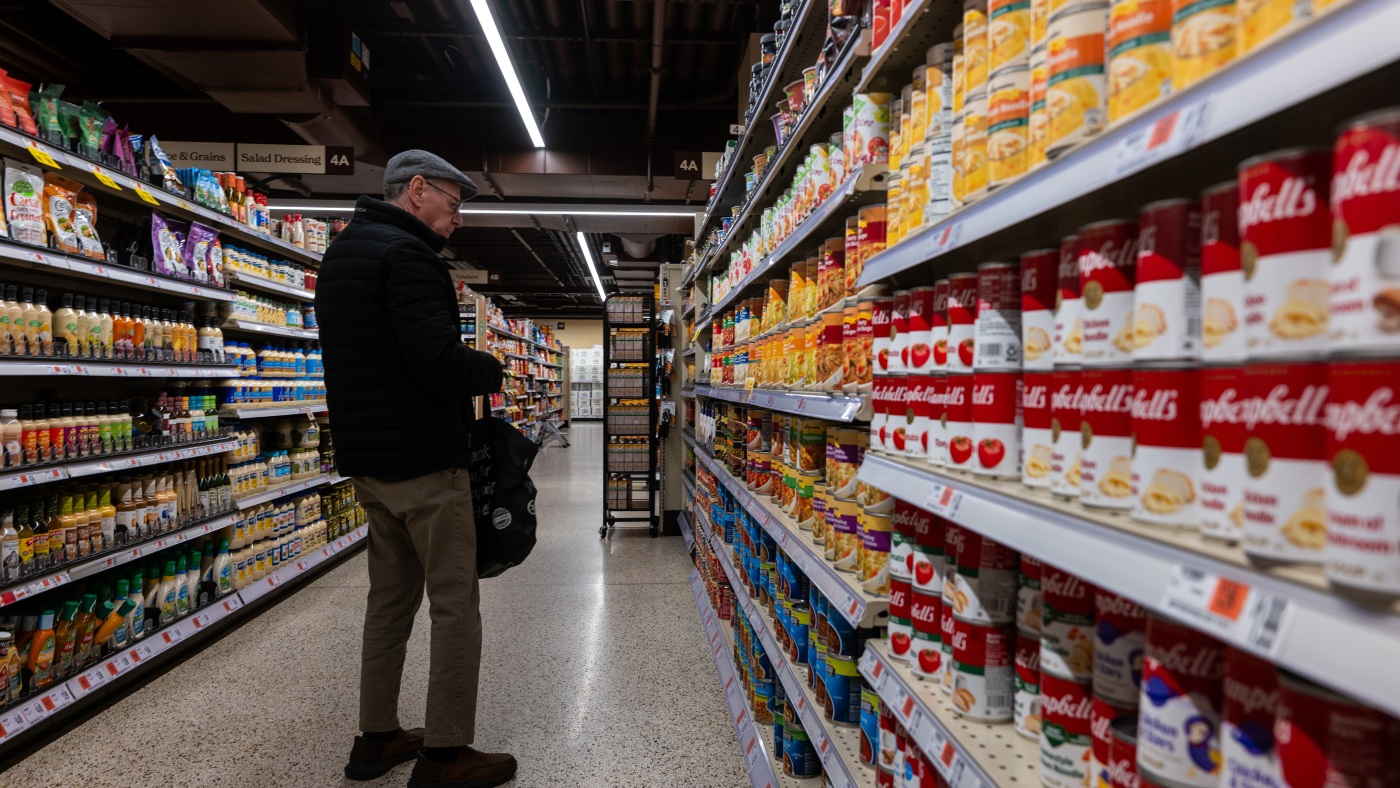
In a New York City grocery store, canned food items like soup and vegetables are exhibited for purchase as of February 11. Potential cost surges in steel and aluminum materials might inflate prices for such products.
Numerous everyday canned items, including sodas and aerosol sprays, could face price inflation due to President Trump's declaration to enforce tariffs on imported steel and aluminum. This initiative aims to support U.S. manufacturers by curbing foreign market rivals.
Experts in the food and beverage sectors caution that elevating tariffs on imported metal may lead to higher can production costs in America, which consumers ultimately might shoulder.
Ken Henricks, who runs Alter Brewing Co. near Chicago, expressed concern over how increasing can costs might strain the local craft beer market amidst inflation and tough competition from larger breweries.
"We're squeezed to the point where any price hike could decrease sales volume, given the reduced purchasing power of our customers," Henricks noted.
Tariffs on steel and aluminum are not unprecedented; during Trump's previous term, he imposed a 10% tariff on aluminum alongside several broad exemptions for steel, which the Biden administration continued. Now, Trump plans a 25% aluminum tariff by March 12, eliminating earlier exemptions.
Dependence on Imported Materials for U.S. Can Production
Though steel and aluminum serve numerous industry purposes, U.S. food and beverage manufacturers particularly rely on them for can production.
Data from the Can Manufacturers Institute indicates that the U.S. annually produces around 135 billion metal cans, including about 115 billion aluminum beverage cans and 20 billion steel ones.
U.S. can manufacturers source raw materials domestically and internationally. While just 10% of aluminum used is from imports, a significant 70% of tin mill steel, utilized for canned foods, is imported—suggesting steeper price rises for steel-based cans.
Challenges in Domestic Metal Production
According to Tom Madrecki from the Consumer Brands Association, if foreign steel prices increase significantly, American producers may struggle to compensate for the shortfall.
Most resources for manufacturing come from within the U.S., but specialized components like tin mill steel depend on imports from regions like Europe and Canada due to limited local supply.
After the 2018 tariffs on steel, nine U.S. tin mill producers ceased operations, leaving only three active production lines, as per the Can Manufacturers Institute.
The domestic aluminum sector might also face difficulties in boosting output. Charles Johnson from the Aluminum Association acknowledged efforts to aid the industry but noted current national smelting capacities fall short of demand.
Awaiting Tariff Impacts on Businesses
Heyday Canning Co.'s co-founder Kat Kavner Woolf remains cautiously optimistic that steel can costs will not soar. Her business, started in late 2022, relies on steel cans for packaging.
"Right now, the uncertainty is what challenges us most," she shared. "Being a smaller company, we don't have direct partnerships with major suppliers, making our situation more precarious."
Henricks from Alter Brewing had hoped to negotiate better prices with his aluminum provider due to increasing order sizes. However, the tariffs shifted his focus toward maintaining current prices, an outcome uncertain given the situation.
Small breweries could also see other expenses rise. The Brewers Association highlighted potential costs hikes for equipment like fermenters and packaging materials should 25% aluminum tariffs come into effect.
Potential Rise in Consumer Grocery Bills
U.S. consumers may eventually bear the brunt of increased can costs at grocery stores, warn industry experts.
Robert Budway of the Can Manufacturers Institute emphasized the inflationary impact on consumers who frequently rely on canned goods for affordable meals. Madrecki added that the tariff effects will likely affect consumer spending at grocery outlets.
Coca-Cola's CEO, James Quincey, noted that while tariffs could significantly impact the business, it wouldn’t upend their extensive U.S. market.
In 2018, following tariff announcements, Coca-Cola and Boston Beer, Samuel Adams' manufacturer, announced price increases.
Quincey also mentioned possibly switching to more plastic packaging if aluminum prices rise, though this shift might exacerbate environmental concerns about plastic waste.
Leave a Reply