


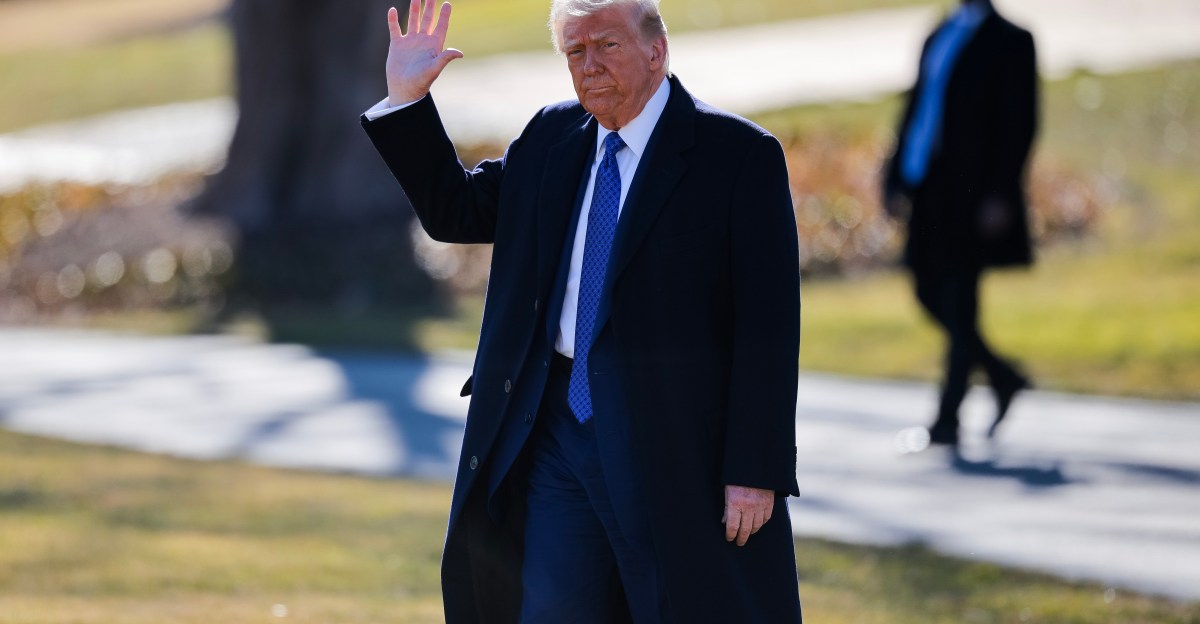
Why Donald Trump Remains Popular
Despite the turbulence, Trump’s actions continue to garner approval from many Americans.
In his initial month back in the Oval Office, Donald Trump has made waves with his characteristic approach of disarray and power plays. He has oscillated on tariffs, dismantled parts of the federal government with Elon Musk at the helm, and cleaned house by removing dissenters—all while seizing the media’s focus through executive orders and expansive plans.
Yet, throughout this, his popularity has barely wavered. While still low compared to former presidents, Trump shows historically high popularity levels for himself, according to Gallup. His approval rate hovers around 50%, an improvement from his previous term according to FiveThirtyEight data. This support, while slightly diminished, maintains a positive difference of 3.3 points.
Public perception of Trump personally reflects a more positive sentiment than at the end of his previous presidency in 2021. Americans are split evenly in their opinion of him.
Enduring Questions Around Trump's Popularity
These observations naturally lead to persistent inquiries: How does Trump maintain this popularity amid chaos? What bolsters this support? And, importantly, how sustainable is it? Extensive polling data begins to provide some insights, showing that a significant portion of the electorate, comprising nearly half of American voters, approved of Trump’s presidency and continue to support him. Vox’s exclusive poll highlights potential challenges ahead as the initial wave of approval declines. However, many approve of his decisive actions which retain Republican allegiance alongside notable support from moderates and independents.
Trump’s Promises and Public Approval
There seems to be a straightforward reason for Trump’s favorable ratings: a widespread belief that he is fulfilling his promises, or surpassing expectations, based on his early initiatives.
Data from CBS and YouGov reveals that about 70% believe Trump is honoring his campaign commitments, with nearly half thinking he has exceeded early expectations. The respondents who feel this way generally appreciate his overachievement.
Issues Elevating Trump's Popularity
On specific issues, Trump receives praise for his immigration policies, border control, and budget cuts on foreign aid. A Marquette poll reflects similar sentiments regarding executive orders and stances on energy and transgender rights, all enjoying substantial support.
Trump’s adept use of media ensures the public stays well-informed on his priorities. Nearly half say they follow political news closely, which benefits Trump, as negative sentiment towards Democrats persists, even among discontented Democratic voters and Independents.
Controversial Decisions and Their Reception
However, some of Trump’s more unconventional policies do not receive the same approval. His unpredictability and flamboyant manner, which seemed appealing during campaigns, are less positively viewed in certain decisions.
Actions like reclaiming the Panama Canal, pardoning participants of the January 6 events, and renaming the Gulf of Mexico are broadly rejected, with 65% and over 70% disapproval, respectively. According to Lakshya Jain of Split-Ticket.org, these contrast with the favorable reception to GOP-aligned strategies on immigration, energy, and gender policies.
Public Dissent Over DEI and Government Reforms
Recent research shows a tempered reaction to Trump's efforts to overhaul diversity, equity, and inclusion initiatives in government, diminishing mentions of climate change, and eliminating bilingual resources. Americans appear less supportive of these measures.
More than 70% oppose discontinuing cultural recognitions like Black History Month celebrations. Additionally, concerns about Elon Musk’s influence, as perceived through governmental restructuring, are high. The Economist/YouGov and Data for Progress polls indicate Musk is unpopular, with a significant percentage wary of his significant role in Trump’s administration. They prefer his impact be minimized.
Economic Concerns and Trump’s Challenge
The economy poses a significant but under-discussed threat to Trump’s administration. It’s the primary issue that granted him victory, but many feel it is not receiving adequate attention.
Although initially promising to address economic concerns, Trump’s policies, such as tariffs on traditional allies, have not resonated well. The only favorable tariff policy appears to be those against China, as sentiment splits on how tariffs will affect inflation and economic health.
With public sentiment questioning Trump’s economic agenda, his ability to substantively tackle cost of living and service reduction could be key to maintaining support.
Conclusion: Weighing the Future
While Trump’s popularity remains high, future prospects hinge on how economic policies evolve and resonate with voter expectations. Media scrutiny, opposition efforts, and evolving economic indicators could alter public perception, echoing previous presidential challenges with inflation. As Trump navigates these waters, maintaining his base while addressing pressing economic concerns may define his presidency’s success.
Leave a Reply