


The Online Right's Influence on Trump's Second Term
After years of criticizing what they perceive as progressive overreach, key figures from the online right are now shaping U.S. policy.
President Trump is advocating for scrutinizing large nonprofits and academic centers for what he deems inappropriate use of diversity, equity, and inclusion (DEI) initiatives.
Elon Musk is on a mission to overhaul the federal workforce while accusing various organizations, including the media and nonprofits, of deceit using speculative and unfounded claims.
Marc Andreessen, a prominent venture capitalist, has played a role in recruitment for the administration, promoting theories about dismantling elite bureaucratic powers.
Moreover, 25-year-old Marko Elez, involved in past controversial online comments, is slated to be reinstated, per Musk's announcement.
The Rise of the Online Right in Federal Governance
The initial weeks of Trump's renewed leadership demonstrate a significant sway of the so-called online right—a group eager to challenge progressive influences across American institutions.
Historically, Republican critiques of left-leaning institutions like the media and academia are not new. However, the current administration moves beyond rhetoric, employing governmental mechanisms to diminish progressive authority and bolster conservative cultural dominance.
This shift reflects a broader assimilation of ideologies circulated within online right communities who have long agitated over the 'Great Awokening' and philosophized potential counteractions.
Prominent online right figures like Chris Rufo and Richard Hanania have left their mark on recent executive mandates against DEI initiatives.
The Common Thread: Resisting Progressive Influence
Members of the online right span numerous social strata, from unknowns like Elez to billionaires like Musk, united in their opposition to 'woke' ideologies.
Their united stance is rooted in backlash against cultural shifts concerning race, gender, and sexuality that emerged prominently in the late 2010s, seen as threatening to their expression and livelihoods.
The initial spur for these movements traces back to events like Gamergate, with participants once shunned even within some Republican circles. However, Biden-era politics fueled their growth, encouraging figures like Vance, Musk, and Andreessen to depart from mainstream political norms.
The online right draws strength from a collective realization that progressive power is entrenched in prominent sectors such as academia, media, and nonprofits.
Influential thought pieces by James Burnham on bureaucratic dominance or Curtis Yarvin's critiques support this worldview, alongside a more visceral anti-establishment attitude.
Tactics and Targets: Dismantling Progressive Strongholds
Trump's administration is strategically targeting these perceived bastions of progressive power, planning to cut university funds and terminate nonprofit contracts as part of a broader ideological confrontation.
Such measures aim at establishing a long-term conservative cultural hegemony by undermining these institutional power centers.
The Case of Marko Elez: A Symptom of Culture Wars
Marko Elez, formerly within Musk’s transition team, became a controversial figure after past racist online postings resurfaced. These posts, whether sincere or provocative 'shitposts,' are defended by some in the online right as part of a broader fight against perceived neoliberal media.
Contrary to prior administrations, including Trump's first, this administration appears more receptive to his reinstatement, viewing journalistic attacks on him as undue persecution.
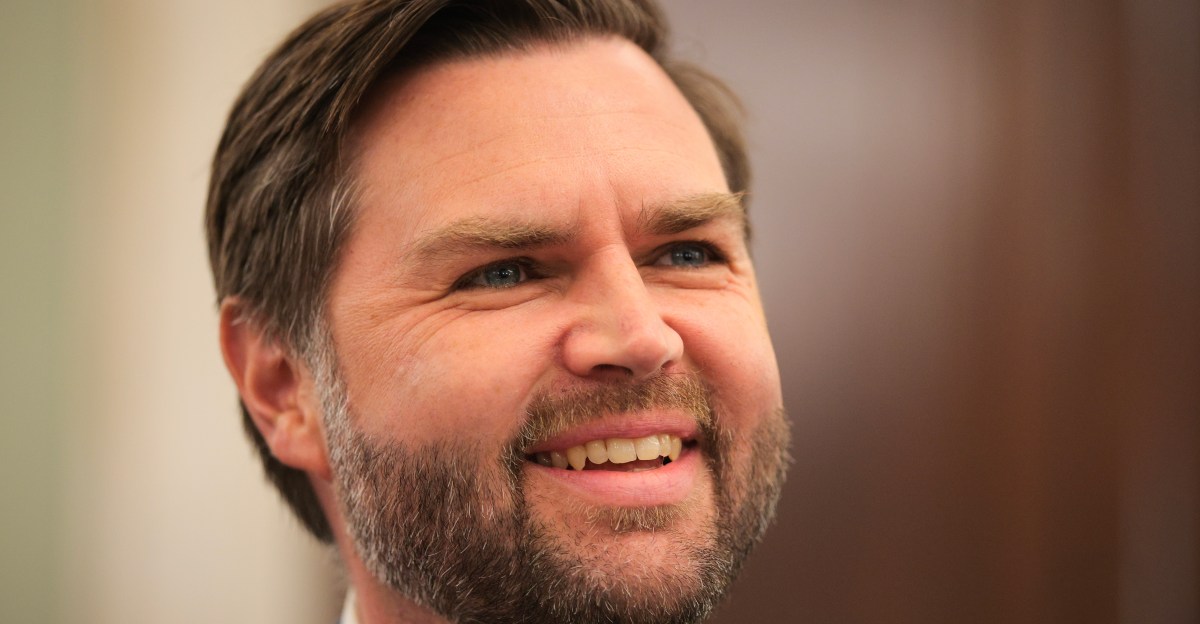
Vice President JD Vance and others argue against allowing media narratives to determine social consequences, regarding Elez's reappointment as a defiance against established media authority.
Refusing to penalize Elez is seen as a symbolic stance against conceding to liberal media narratives, despite its controversial nature.
Whether Trump's contemporary voter base, composed significantly of minorities, endorses this particular tolerance remains an open question.
Leave a Reply