


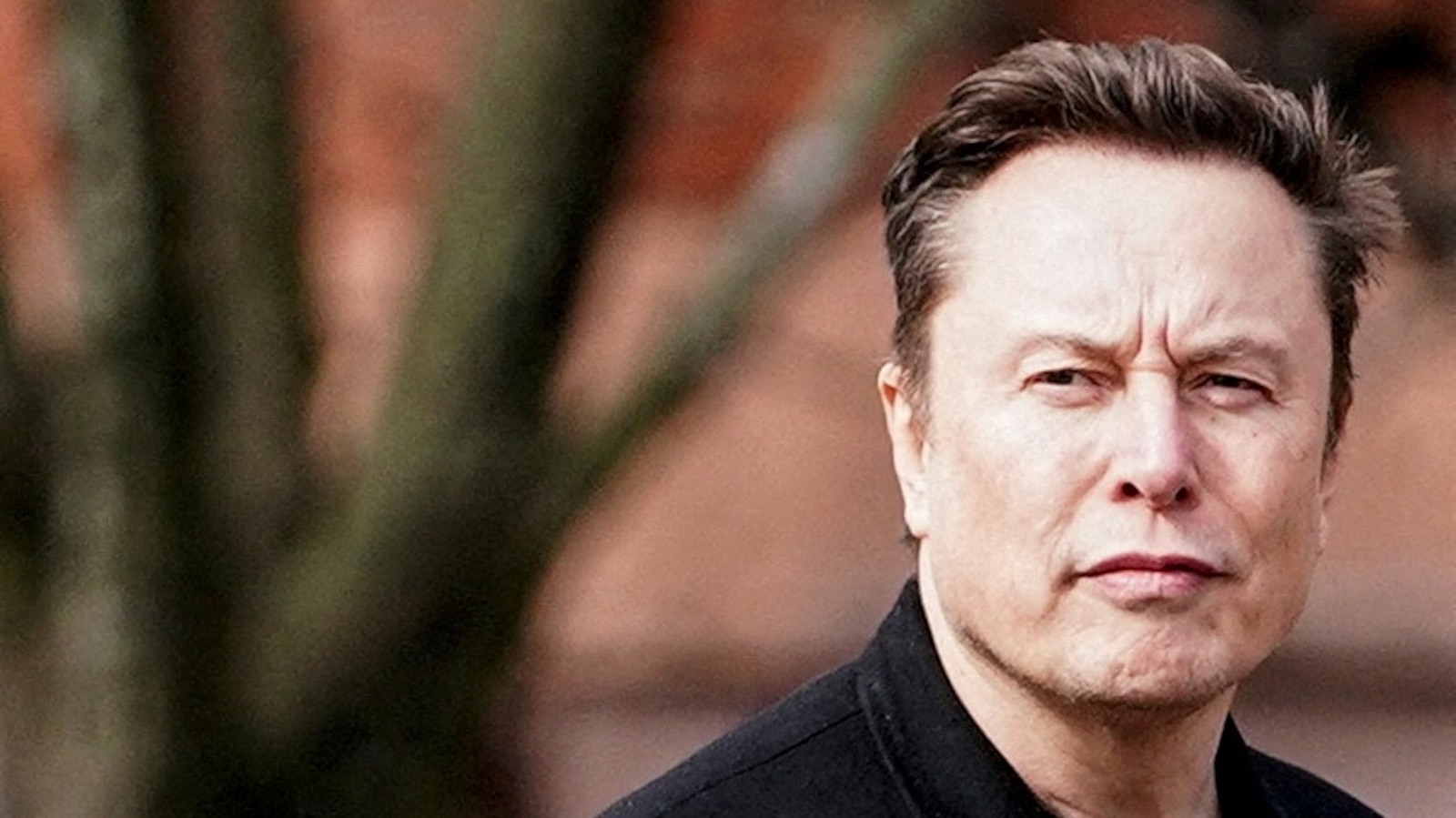
Critics argue that Elon Musk acts as an unappointed government leader, operating outside of constitutional limits.
On the other hand, President Donald Trump views Musk as a reliable confidant and informal deputy, spearheading a legal yet unique strategy to trim federal agency operations.
Federal courts are now upholding the legality of Musk's de facto leadership of the Division of Government Efficiency (DOGE), potentially reaching the Supreme Court. This will determine if his role aligns with the appointment stipulations in the U.S. Constitution.
These legal proceedings could potentially lead to Musk's removal from his role and invalidate his agency reforms concerning personnel, assets, and policies, according to legal analysts, although the conclusion remains uncertain.
Legal Foundations and Challenges
The appointments clause allows the President to appoint U.S. officers, like ambassadors and other key figures, but requires Senate approval. Musk, however, has not undergone such confirmation.
Additionally, 'inferior officers' can bypass Senate confirmation only with congressional authorization, but Trump established DOGE through executive order without Congress.
James Sample, a constitutional expert at Hofstra University, noted that Musk, who reports solely to Trump, mirrors a principal officer role necessitating Senate confirmation.
Officially, the White House describes Musk as an unpaid 'special government employee,' a designation for short-term executive branch workers.
However, plaintiffs argue that Musk operates beyond this 'employee' status, effectively making executive decisions as an unauthorized U.S. officer.
Lawsuits posit that Musk has unilaterally decided on agency budgets, contracts, and federal regulations, demonstrating extensive authority beyond his titular role.
With Musk's broad autonomy and responsibilities, any notion of his limited role is implausible, according to Sample.
Supreme Court Interpretations and Opinions
The Supreme Court has historically defined a 'U.S. officer' as someone appointed by the President wielding substantial authority per U.S. laws, requiring Senate approval or supervision by a confirmed official.
Sarah Isgur, a legal expert formerly with the Justice Department, argues Musk qualifies as a U.S. officer.
While his unique 'special government employee' title might offer some legal protection, this designation remains untested in courts.
The administration has asserted a doctrine granting the President near-total hiring and firing discretion within the executive branch.
Potential Legal Outcomes
Some commentators believe that early lawsuits may falter because Musk's exact role lacks transparency, leaving much to informed conjecture.
Professor Josh Blackman suggests these cases may not have enduring consequences, considering possible defenses under existing legal doctrines.
Even a ruling against Musk might only necessitate retroactively approving his decisions or might allow a Senate vote to confirm his actions.
Sample theorizes that administrative strategies might protect Musk from significant repercussions beyond political fallout, despite ongoing debates about constitutional principles.
Leave a Reply