


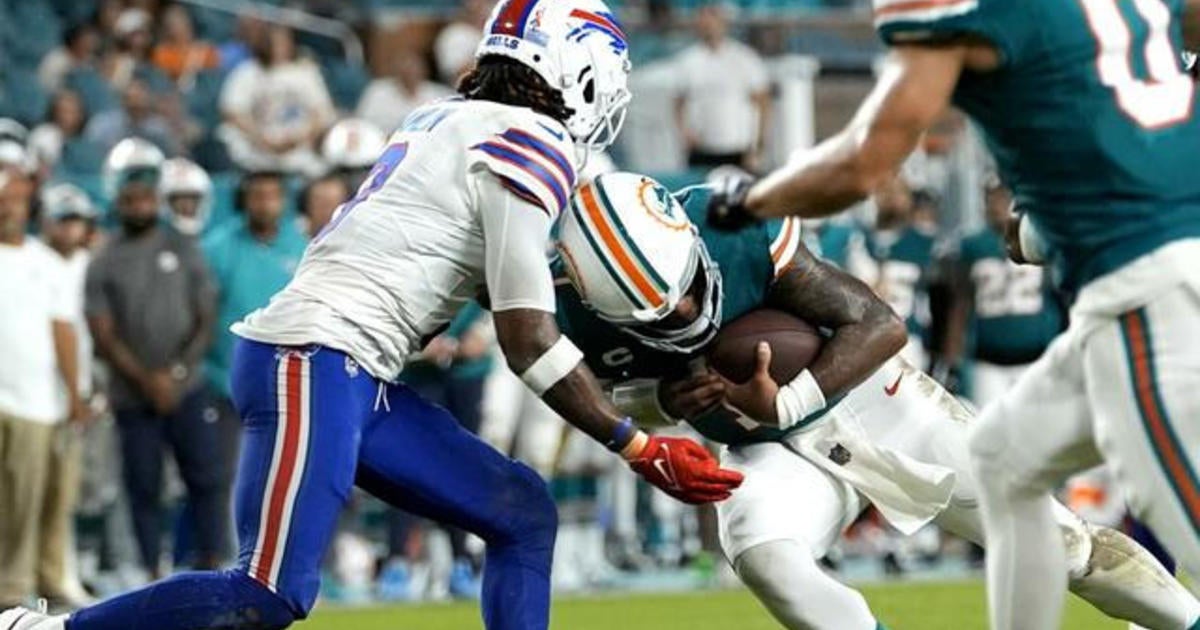
Exploring Innovations in Helmet Design to Combat Football Concussions
Philadelphia’s main offensive tackle is optimistic that the latest helmet technology will allow him to continue playing without being forced to the bench like Christian Benford of the Buffalo Bills, who missed games due to a concussion in a recent AFC title match.
“Head collisions are a regular occurrence out there,” Mailata noted. “This is just part of life on the field.”
NFL’s Initiatives to Minimize Head Injuries
Taking charge of this initiative is Dr. Allen Sills, the NFL's chief medical officer, who aims to decrease the number of concussions across the league.
“Common signs of a concussion include headaches or feeling disoriented, and sometimes memory lapses,” explained Dr. Sills. “Some individuals may even have balance issues. In very rare circumstances, they might lose consciousness.”
Advancements in Helmet Technology
A decade ago, the NFL partnered with helmet developers to enhance the safety of football helmets.
“Helmets have evolved significantly over the past two decades. Today’s versions feature materials that better absorb impact and reduce force transfer to the brain,” Sills shared with CBS News. “There’s improved padding strategically incorporated inside, reflecting where impact is most likely and how best to mitigate it.”
Rule Changes and Awareness Boosts
Alongside equipment improvements, the NFL has focused on raising awareness among athletes and revising certain rules, such as having teams start closer together during kickoffs to decrease high-speed collisions.
“The standout development from the 2024 season is that it recorded the fewest concussions in NFL history,” announced Jeff Miller, the league's health and safety lead, during a recent press briefing.
A Positive Shift in Concussion Statistics
In 2024, the NFL saw 182 reported concussions during training and regular matches. This marked a substantial 17% decrease from 2023, which logged 219 incidents.
Dr. Ann McKee, a noted neurologist, has made significant strides in illustrating that even non-concussive head impacts can lead to chronic traumatic encephalopathy (CTE), a precursor to dementia. She welcomed the decline in concussion numbers as "great news."
“CTE probability correlates with the duration of play, the frequency of impacts, and their severity,” she noted.
Continuing Challenges and Youth Implications
While improved helmet design is beneficial, Dr. McKee insists that the sport's intrinsic risks remain, particularly noticeable in youth leagues, where CTE signs have been observed in young individuals.
Dr. Sills remarked on the realities of helmet technology: “No helmet can completely prevent concussions. Thus, it’s misleading to think that wearing a better helmet makes it safe to use your head heedlessly.” He compared helmets to car safety features, like airbags or anti-lock brakes, stressing the importance of avoiding risky situations in the first place.
Leave a Reply