


Environmental Advocacy Against Initial Trump Administration Measures
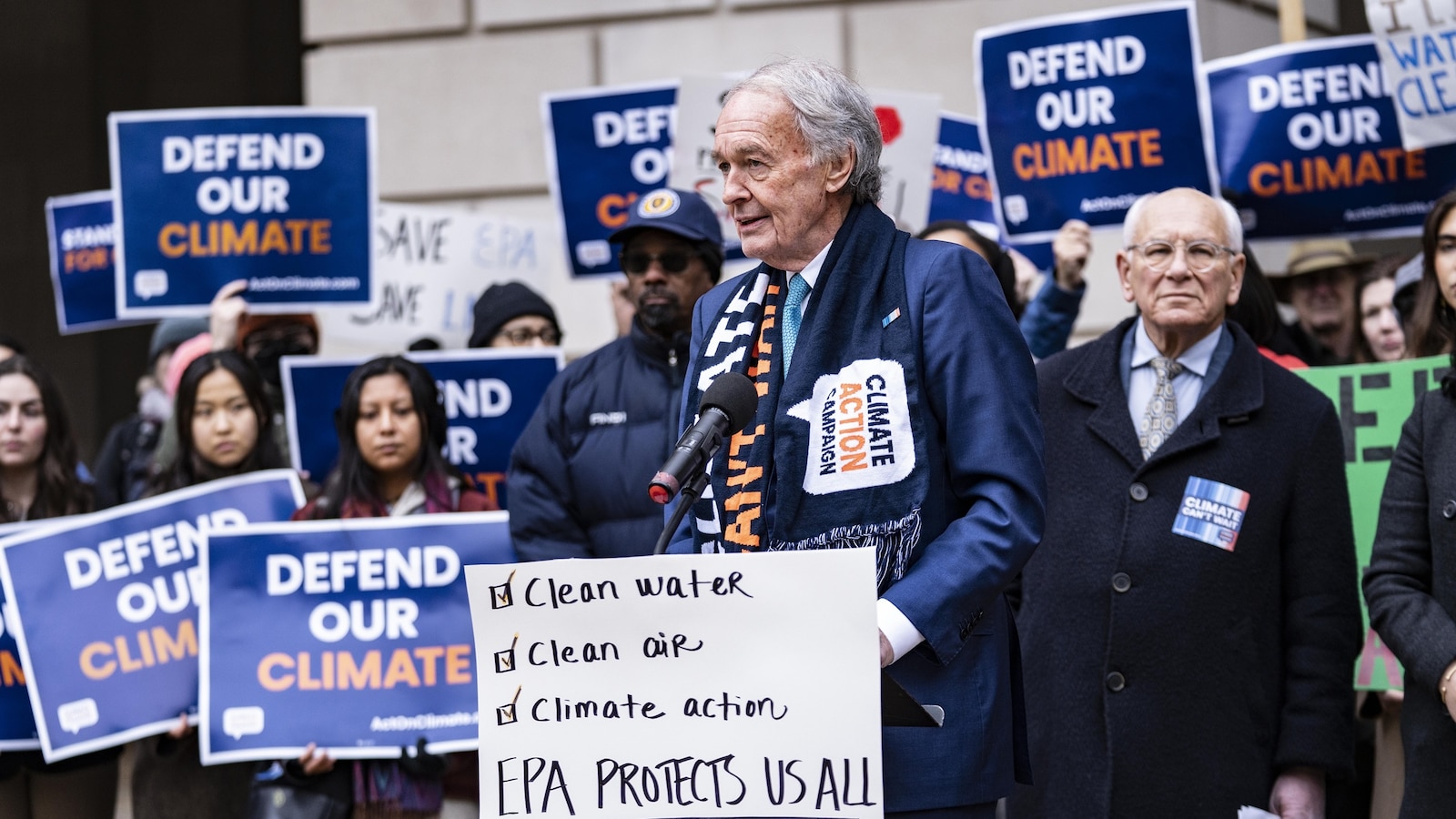
Environmental organizations are mobilizing to oppose several initiatives launched by President Donald Trump since he assumed office.
Nonprofits focused on ecological issues are preparing legal actions against most of Trump's executive orders related to environmental protection, preservation efforts, and the transition away from carbon-based energy, as reported by several groups to ABC News.
Legal experts specializing in environmental law are poised to respond to any future mandates that might breach current environmental statutes, based on sources with insight into the lawsuits already targeting the Trump administration.
Environmental Groups Tackle Trump's Policy Directives
As Trump commenced his next term in office, he issued an order attempting to rescind actions taken by President Joe Biden during his concluding weeks aimed at protecting the East and West coasts of America, as well as the Eastern Gulf of Mexico and Alaska's North Bering Sea.
Although Trump pledged to overturn this prohibition immediately, undertaking such a change may prove complex. Relying on the Outer Continental Shelf Lands Act, the prohibition's longevity is assured, legal representatives claim, suggesting that Trump's efforts are unlawful.
Brett Hartl from the Center for Biological Diversity remarked, "We'll likely face them in a legal arena eventually, and we anticipate victory."
Trump's aspiration to nullify the restriction aligns with his goal to boost fossil fuel output, shared Sam Sankar of Earthjustice, the nation's preeminent environmental law organization.
By pursuing this path, Trump dismisses many coastal communities across the U.S. that favor reduced drilling, according to Joanne Spalding from the Sierra Club.
Spalding emphasized the general opposition to drilling among residents in states like Florida and California.
Challenges in Increasing Drilling Operations
Trump's objectives to expand drillable federal land face substantial hurdles, as noted by experts.
Additionally, the proposal requiring the annulment of ten existing regulations for every new one introduced was criticized as lacking substantive reasoning.
Hartl pointed out that this plan mirrors a previous deregulatory pause from 2017 that proved ineffectual.
"We are witnessing a repeat of previous executive activities from Trump's initial tenure," Hartl explained.
Concerns of Environmental Organizations
Environmental nonprofits are concerned about the potential dismantling of key federal agencies vital for conservation efforts.
Hartl pointed to the Office of Management and Budget's actions as a potential forewarning for agencies focused on environmental work misaligned with Trump's priorities.
The overarching threat from Trump's moves to disintegrate governmental structures poses a significant risk to ecological efforts.
The establishment of the Department of Energy alongside Elon Musk could disrupt multiple conservation activities.
Hartl noted, "Without personnel in the EPA, maintaining clean air and water becomes challenging. Likewise, without staff in the National Park Service, administering parks and protecting wildlife is problematic."
Environmental advocates are also concerned that the defunding of key legislation, like the Inflation Reduction Act and Bipartisan Infrastructure Act, will impede progress toward a clean energy economy.
Sankar expressed concern over Trump's temporary suspension of these acts' funding, which is crucial for fostering renewable energy and public health in communities affected by fossil fuels.
"We are crafting lawsuits to ensure funding reaches its intended targets," Sankar stated.
Strategic Adjustments Based on Past Experiences
Experts in environmental law indicate that many of Trump's pronouncements are largely symbolic and may not result in significant policy shifts.
Hartl noted that Trump's penchant for signing executive orders hasn't led to substantial impacts in the past.
While there's often ambiguity concerning the actual effects of these orders, Sankar said this complicates immediate actions from nonprofits.
Environmental groups must be discerning in their legal challenges, focusing on cases with the strongest merit and most notably affected clients.
This time, the response strategy will be more refined and targeted, Spalding assured.
Spalding committed to engaging with the most pertinent regulatory reversals actively.
Leave a Reply