


Exploring Depression Cake: A Dairy-Free Delight From the Past
During the economic hardships of the Great Depression, essential ingredients like eggs and butter were often either too expensive or hard to find.
To cope with these shortages, bakers ingeniously crafted what we now call "Depression cake" or "wacky cake," a chocolate dessert devoid of eggs and dairy. Given the current spike in egg prices due to an ongoing bird flu outbreak, trying this resourceful recipe seemed timely.
Despite its vintage origins, variations of this recipe have survived over the years. I decided to follow a recipe shared by food photographer and culinary developer Mark Beahm on Simply Recipes. While not all traditional recipes remain viable today, this particular one proved to be both delightful and straightforward.
Gathering Ingredients for Depression Cake
For this cake, you'll need:
I was fortunate to have most of these ingredients in my pantry. However, I made a quick trip to purchase all-purpose flour, cocoa powder, powdered sugar, and a foil pan for baking. I opted to use dark brown sugar as a substitute for light brown sugar since I already had it available.
The total cost of the ingredients was $17.15. The cake provides nine servings, which breaks down to about $1.90 per piece.
The USDA reported the average price for a dozen eggs in early 2025 to be $4.80, but this cake uses none.
Baking Preparation: Getting Started
The first step was to preheat the oven to 350°F and prepare an 8-inch square foil pan with cooking spray.
Enhancing Cocoa Flavor by Blooming
To intensify the cocoa's taste, I used boiling water for blooming it, intentionally bypassing coffee due to personal preference.
Adding Wet Ingredients With a Twist
I was originally wary of incorporating apple cider vinegar, a somewhat unconventional ingredient for a chocolate cake, but adhered strictly to the recipe and included it along with both types of sugar, oil, and vanilla extract.
Combining Dry Ingredients
The dry components—flour, salt, and baking soda—were mixed separately in a distinct bowl.
Mixing Magic: Creating the Batter
Upon combining the wet and dry mixtures, the batter began to react with bubbles, thanks to the baking soda and vinegar, promising a fluffy texture despite the absence of eggs.
Baking Time
The batter was poured into the prepared pan and baked according to instructions, which suggested a 25 to 30-minute bake time.
Crafting a Chocolate Glaze
To accompany the cake, I prepared a delightful chocolate glaze using powdered sugar, cocoa powder, vanilla extract, water (instead of coffee), and a hint of salt.
Achieving Glaze Perfection
By adjusting with additional water, the glaze attained a smooth, drizzly texture, which perfectly complimented the cake's finish.
Monitoring the Cake's Doneness
The cake required a little longer in my oven, approximately 45 minutes, before a toothpick inserted came out clean.
A Different Kind of Chocolate Cake
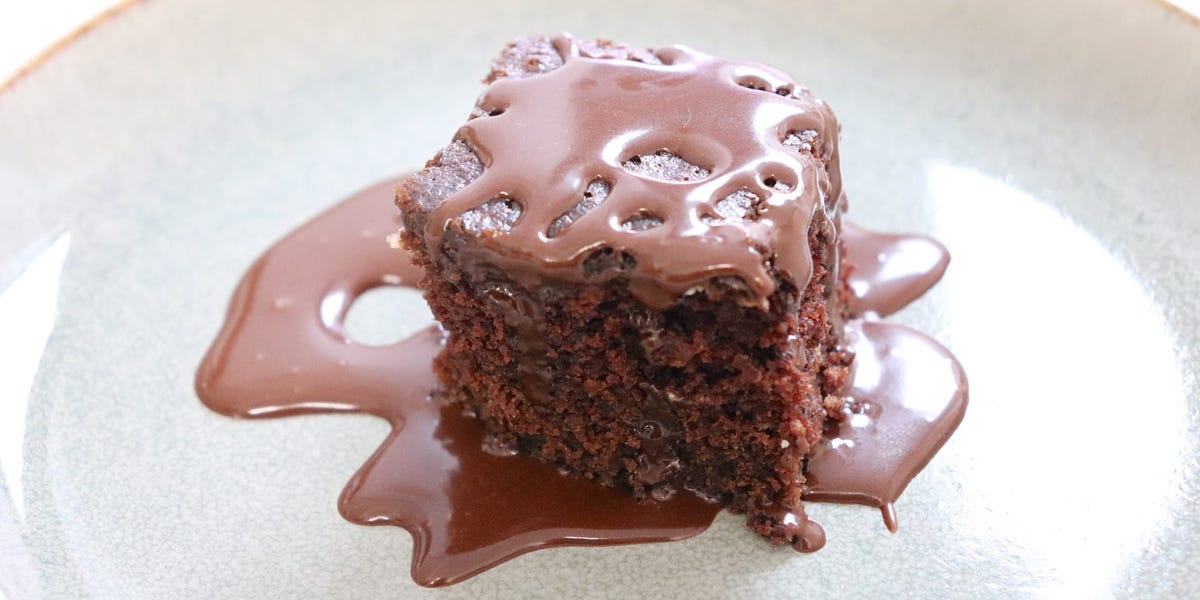
Visually, the Depression cake mimicked traditional chocolate cakes but with a uniquely crispy top layer, a feature my bakes with eggs and butter usually lack.
Slicing Into a Soft Interior
The symphony of baking soda and vinegar delivered on its promise, bestowing an airy sponge within.
Final Touch: Chocolate Drizzle Glory
The finished cake, highlighted with a generous drizzle of chocolate glaze, was visually enticing.
Flavor Impression: A Balancing Act
The cake delivered a harmonious blend of sweetness and depth, further elevated by its chocolatey glaze. I discreetly offered it to my partner without disclosing its ingredient omissions.
Upon tasting, they appreciated its mild sweetness and even helped themselves to another piece. To their surprise, the absence of eggs and dairy went unnoticed.
A Sweet Connection to History
As egg prices soar—recent checks in Manhattan had them at $10 a dozen—I'm thankful for enduring recipes like Depression cake that have enabled resourceful dessert enjoyment through the years.
Leave a Reply