


America’s Escalating Constitutional Challenge
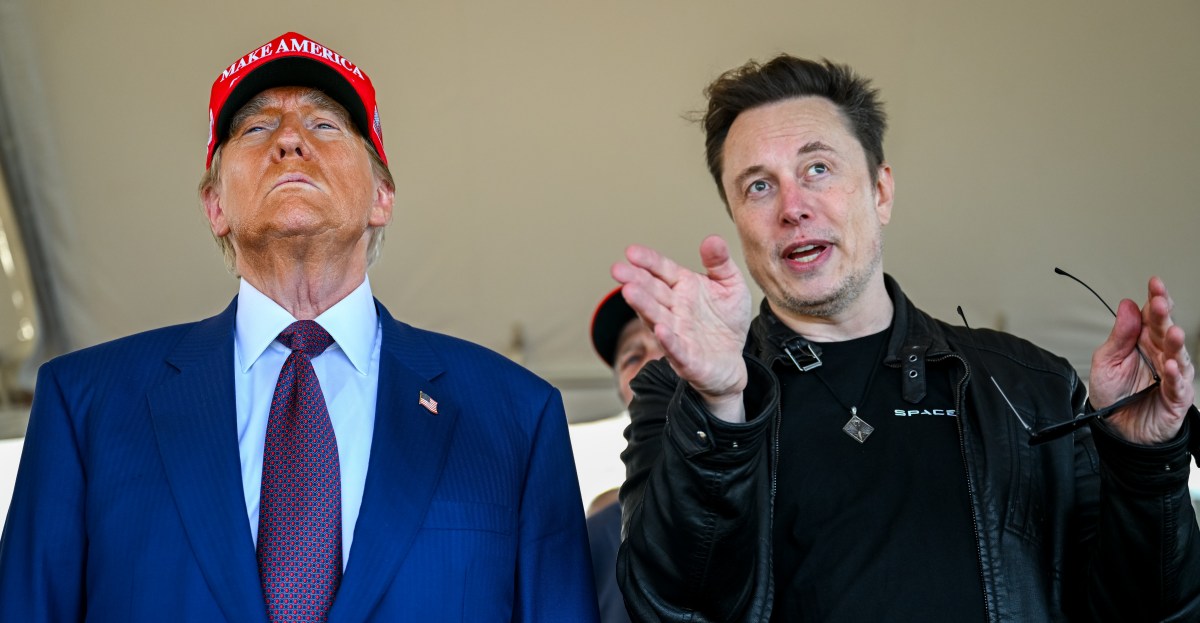
The potential for Donald Trump and Elon Musk to leverage a debt ceiling impasse to override Congress's authority looms large.
In merely a fortnight into his administration, President Donald Trump has already incited a significant predicament for American democracy.
His inaugural act was to exonerate those who had violently disrupted the Capitol on January 6, 2021, seeking to thwart his ousting. Concurrently, he dismissed numerous federal prosecutors responsible for charging the January 6 insurrectionists, indicating a reluctance to penalize those committing political violence under his banner.
The Trump regime has also wielded intimidation tactics to coerce corporations into financial concessions, exercising regulatory oversight threats. The FCC's pressure on CBS News to submit unedited interviews, akin to governmental editorial control, exemplifies this overreach.
Perhaps the most audacious breach of democratic principles by Trump is his assumption of control over Congressional spending authority.
Our Constitution's design depends on the separation of powers: legislators decide fiscal allocations, while the president implements these judgments.
Upon assuming office, Trump’s administration seized the fiscal roles of Congress, halting trillions in authorized expenditure. Although legal pressure led to a partial concession, significant funding continues to be withheld from disfavored programs such as green energy and foreign aid, maintaining the freeze to suit preferences.
This commandeering of fiscal power was not hasty. Both Trump and his budget office pick, Russel Vought, have long argued for presidential discretion in withholding spending directives from Congress.
Equally troubling, Elon Musk, a foremost benefactor, reportedly wields influence to place civil servants on leave, contravening safeguarded civil service regulations. Musk and Trump have illicitly dissolved the USAID, bypassing Congressional mandates codified since 1998.
Furthermore, Musk has obtained access to governmental financial systems, hinting at the potential to impede transactions perceived as questionable.
This not only constitutes a political emergency on its own, but the administration’s clutches on power could increasingly fuel another imminent battle over America’s climbing financial ceiling.
The Debt Limit Conundrum
When lawmakers approve expenditures beyond tax offsets, the Treasury typically accrues the necessary funds. Yet in the U.S., we’ve installed an additional perilous step: exceeding set statutory debt limits requires an extra legislative vote to raise the 'debt ceiling.'
Perennially problematic, Congress struggles with this due to the unpopularity of raising the borrowing cap—a device easily weaponized in electoral rhetoric. Failure to resolve this could force dire choices: either the abandonment of warranted spending or defiance of debt statutes, both poised to unleash economic upheaval.
The Treasury has already surpassed these limits, yet temporary measures extend a breach window to midyear. Failure to act could force default on commitments.
Partisan Standstill and Potential For Resolution
Republican reliance on Democratic support is inevitable given their tenuous House majority. Speaker Mike Johnson has signaled a willingness to negotiate with Democrats on raising the ceiling, recognizing bipartisan cooperation as imperative.
Democrats aim to leverage this necessity, coupling debt ceiling raises with their key political objectives and repealing Trump-era directives.
However, the administration's refusal to implement Congressional mandates jeopardizes these negotiations since Republicans can’t credibly offer enforceable concessions to Democrats.
The Broader Implications
Beyond immediate economic fallout, this stalemate grants Trump a pretext to bolster presidential fiscal control unfettered by Congress.
A deadlock could serve as a pretense to prioritize spending selectively, favoring defense and border initiatives while curtailing welfare and environmental budgets.
Though conceptual, the scenario posits grave questions about legislative ineffectiveness and potential executive overreach, posing Trump’s assertive fiscal views as a solution to Congressional limitations.
Though speculative, it's important to note judicial interventions could rebuke such overreach and restore confidence in legislative agreements. Yet, early actions in Trump’s office suggest preparing for unprecedented disruptions seems prudent.
Given recent developments, contemplating these once unthinkable scenarios seems more relevant as standard governance boundaries are continually tested.
Leave a Reply