


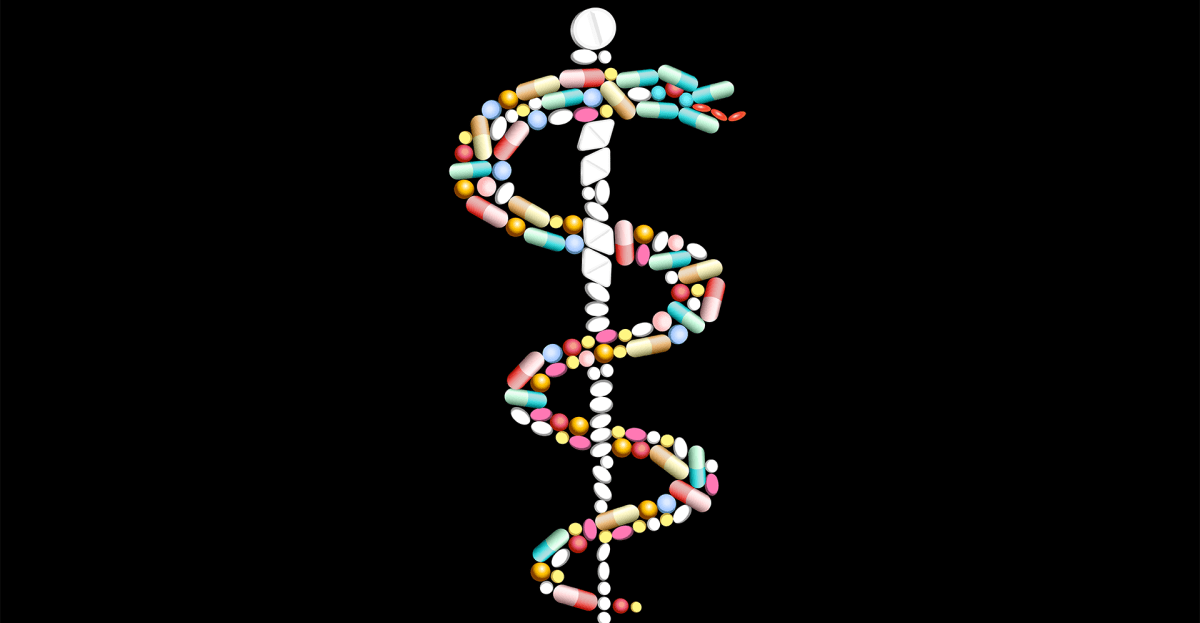
Impact of Trump's Tariffs on Medication Availability in the US
The US, despite its wealth and robust pharmaceutical industry, often struggles with drug accessibility. At any point, over a hundred medications can be hard to find for American patients.
Specialty medications, such as those for cancer patients with specific genetic profiles, are sometimes in short supply, posing risks to these individuals. Widely needed drugs, like those for ADHD, have also faced shortages, impacting millions.
While some shortages are unavoidable, such as those caused by the pandemic, the disruptions created by these events have notably decreased. Shortages dropped from 321 drugs to 271 throughout 2024.
However, President Trump's tariffs on China threaten this improvement.
Challenges for Generic Drug Makers
Typically, drug shortages are unintentional, resulting from unexpected events. But the current threat is manufactured due to tariffs.
China's role as the top provider of pharmaceutical components to the US makes the risk significant, especially as this week it faces a 10% tariff hike.
Generic drug manufacturers, responsible for most US prescriptions, often rely on Chinese imports. These new costs make price increases challenging and could exacerbate shortages during trade tensions.
US regulations prevent unchecked drug price hikes to ensure affordability. For instance, under Medicaid, manufacturers must issue rebates if price adjustments surpass inflation rates.
These regulations were not designed for a scenario involving major trade conflicts, like current tariffs on significant partners.
Marta Wosińska, an economist at the Brookings Institution, notes that companies facing low profit margins may leave the market as they cannot pass on tariff costs, resulting in shortages.
Other manufacturers are unlikely to fill the gap if the original company exits the market because the financial incentive no longer exists.
A study from 2021 posited that 25% tariffs on pharmaceuticals could decimate China's finished drug exports by 81% and raw material exports by 8%. Such a decline in Chinese output impacts the global supply.
While these developments are theoretical, Trump's tariffs echo similar risks.
US Dependency and Its Risks
The US heavily relies on generics to maintain low medication prices. But, because these are low-margin products, manufacturers do not maintain large inventories, making them vulnerable to price changes due to tariffs or supply disruptions.
Competition in the generic drug market is limited; thus, if a company stops production, alternatives are scarce.
As highlighted in past analyses, increasing drug shortages are often due to raw material scarcity or production issues. Most affected are generic hospital drugs, typically having few suppliers.
Erin Fox, a researcher on drug shortages, points out the lack of investment in production capacity due to minimal financial incentives for low-cost drugs.
Disruptions make it hard to meet demand quickly because companies run on low inventories to keep costs down, leaving vital medications unavailable, which can sometimes be fatal.
In extreme cases, these shortages directly correlate to patient fatalities. For instance, substitutes used during drug shortages can increase mortality.
The current administration hasn't adapted policies to exempt essential medications from tariffs, raising concerns over access to life-saving drugs.
While temporary agreements with nearby countries like Canada and Mexico alleviated pressure, the looming impact of tariffs, particularly from China, will likely intensify.
Ultimately, if tariffs lead to negative outcomes for US patients, the consequences should be anticipated and might be prevented with careful planning.
Leave a Reply