


Winter Conditions Strike the U.S. North While the South Basks in Warmth
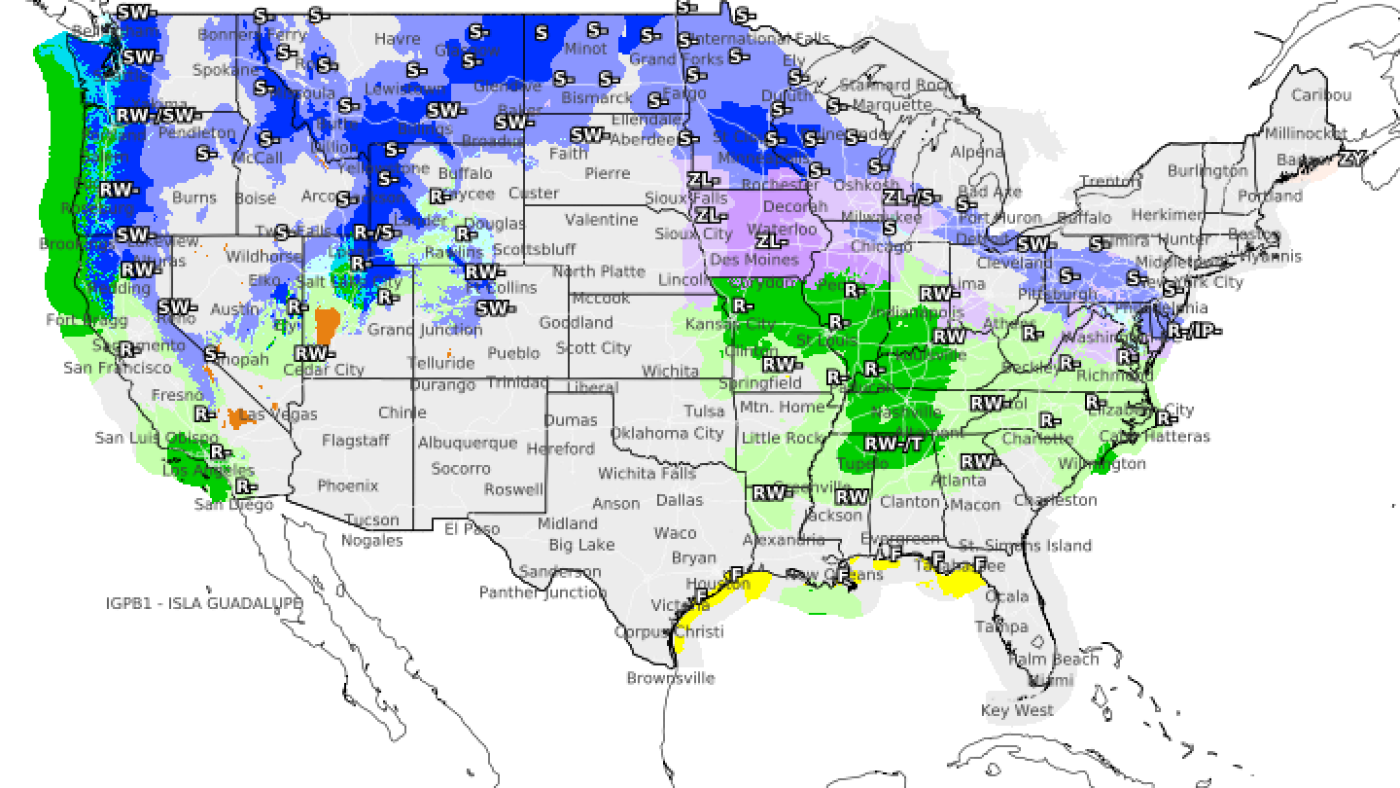
A NOAA map reveals anticipated wintry conditions across certain U.S. regions on the afternoon of Wednesday, February 5.
A cold wave is set to spread snow and frosty weather from the Midwest through to the Northeast, threatening to disrupt travel. Meanwhile, southern areas are predicted to break temperature records, potentially hitting the 80s, say meteorologists.
Impacts on Midwest and Northeast
Starting Wednesday evening and lasting into Thursday, snow, sleet, and ice rain are forecasted for the Midwest extending to the mid-Atlantic, impacting states like Maryland. The biggest concern remains ice rain, reports Bob Oravec, the lead meteorologist at the National Weather Service.
Oravec notes, "Northern Illinois, central to northern Indiana, and southern parts of Michigan's lower peninsula are particularly at risk. The worst driving conditions are expected early Thursday as the storm reaches the mid-Atlantic."
Travel Hazards
The NWS Weather Prediction Center warns that just a small layer of ice on roads can create significant travel challenges, advising caution and reduced speeds when driving.
Accumulated sleet poses hazards for drivers and pedestrians alike, being both difficult to clear away and dangerous underfoot.
Weather Shifts and Southern Warmth
In some northern regions of the U.S., temperatures will plummet below freezing, potentially leading to ice build-up. Northern Indiana, Ohio, parts of Pennsylvania, Maryland, and West Virginia could see between a tenth and a quarter of an inch of ice, Oravec indicates.
The weather front is rapidly advancing with expectations of freezing conditions turning to rainfall by Thursday afternoon. Although typical winter weather is forecast for northern areas, states from Texas to South Carolina will experience unusually warm weather.
Predictions suggest temperatures will soar into the 80s in many southern locations, sometimes exceeding norms by 20 to 30 degrees or more for this season.
Temperature Variations Across the Country
As we transition from winter to early spring, pronounced temperature differences between the North and South become apparent, with northern regions seeing colder conditions, says Oravec.
Oravec adds that sporadic warm weather during the winter isn't unusual. Currently, the overall weather pattern is supporting warm southern conditions as there is no Arctic chill permeating the country at this time.
Leave a Reply