


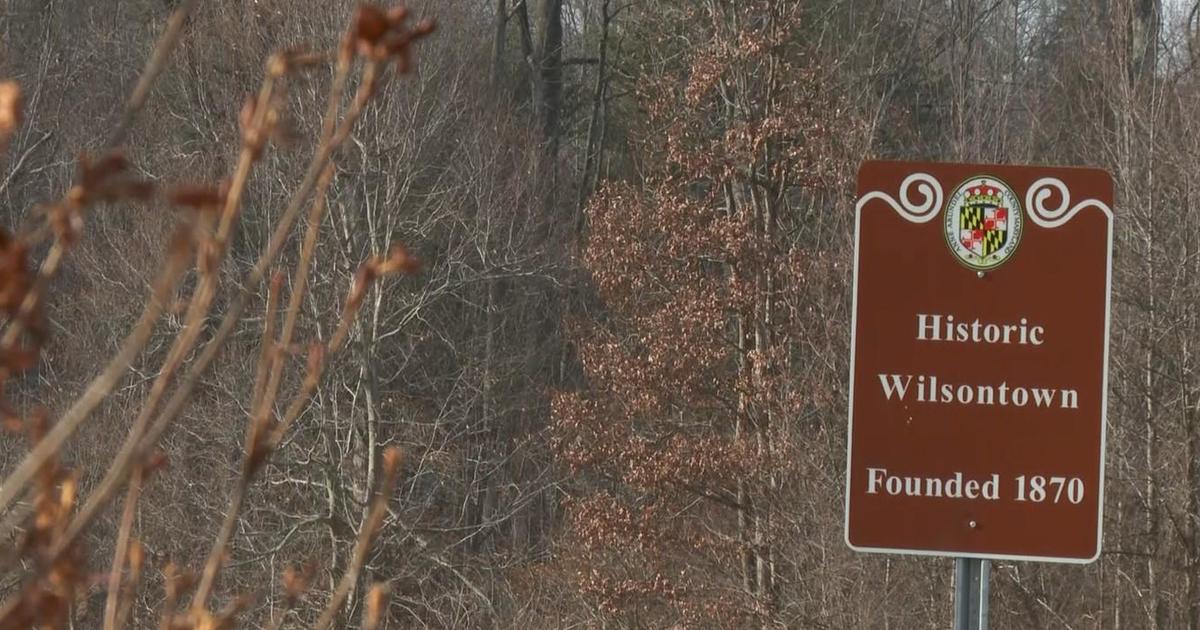
Wilsontown: Acknowledging the Legacy of a Historic Black Maryland Community
In the quiet locales of Baltimore lies Wilsontown, a predominantly Black enclave in Anne Arundel County, whose roots trace back to the 1700s. This historic site in Odenton was once a melting pot of Quaker settlers and emancipated slaves living side by side.
Despite its rich historical tapestry, broader recognition of Wilsontown's cultural contribution emerged only in contemporary discussions. Efforts are underway by community custodians to safeguard the narrative of this remarkable settlement.
Memories of Life in Wilsontown
Lillian Rollins recounts her childhood in this close-knit community tucked at the end of Conway Road in Odenton.
"Wilsontown was a vibrant, all-Black community of about 100 residents," Rollins recalls with fondness.
The village emerged in 1888, founded when Rachel Tyson, a Quaker, allocated 77 acres to John, Dennis, and Isaiah Wilson, three African-American brothers.
"Isaiah, my grandfather, was a key figure here," shared Rollins, mentioning his marriage to her grandmother, Anna.
Lacking modern amenities like electricity or running water, Rollins fondly remembers the community's self-sufficiency.
"The simplicity was charming," Rollins shared. "We could pick fresh pears and apples, and my grandmother's homemade cakes were delightful."
Unveil the Chronicles of Wilsontown
Centred around St. John A.M.E. Zion Church, this faith-driven community recently marked its 155th anniversary, illustrating its storied past. Rollins reflects on her upbringing with pride in a rich heritage.
Yet, she believes that racial dynamics have often eclipsed recognition of their legacy.
Honoring an Intricate History
Driven by curiosity about the area's Quaker roots, Janis Randall began her research upon moving to Odenton. This exploratory journey was partly in homage to her husband's Quaker ancestry.
"Quaker archives unlocked fascinating chapters of Wilsontown's past," said Randall of the Odenton Heritage Society, who curated a compelling exhibition.
The narrative details the emancipated slaves' journey since 1792, highlighting the shared spaces like meeting houses that evolved into places of worship such as St. John A.M.E.
"The collaboration between freed Blacks and Quakers here was remarkable," Randall noted, hinting at its possible link to the Underground Railroad.
This exhibition is celebrated at the Odenton Heritage Society Museum and prominently displayed at the St. John A.M.E. Zion Church.
Rollins, now 74, expressed her gratification seeing Odenton's heritage finally gain due acknowledgement, particularly through initiatives like the Heritage Museum's commitment to including Wilsontown in Odenton's historical narrative.
Leave a Reply