


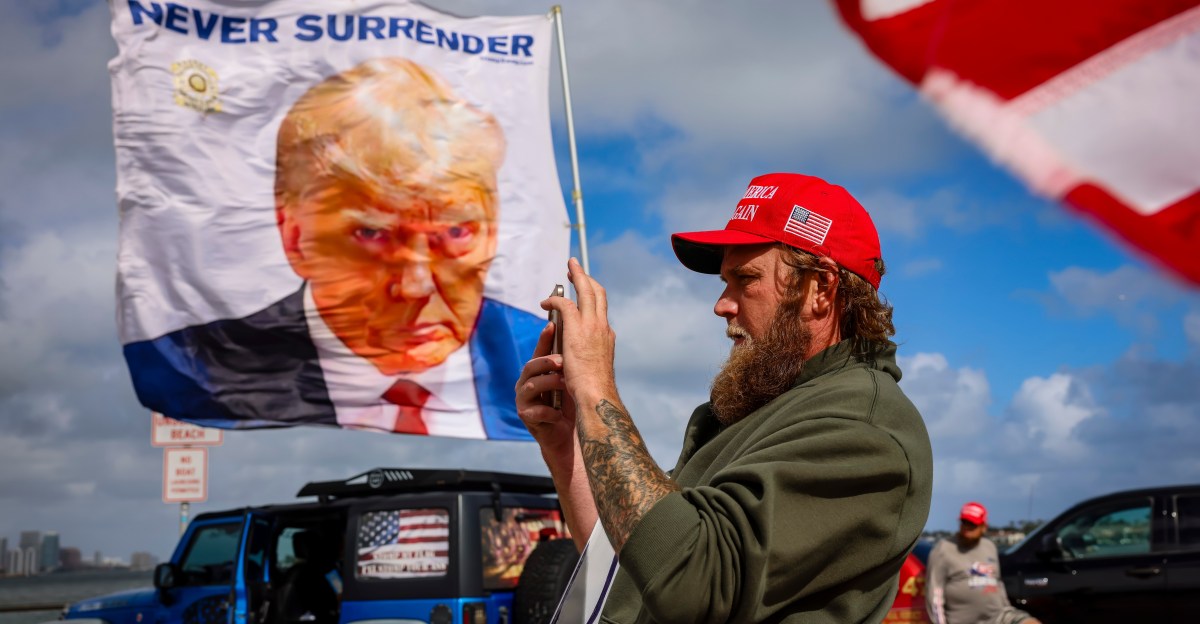
Did Legal Challenges Against Trump Backfire?
The attempts to curtail Donald Trump through legal channels might have unintentionally weakened democratic principles.
Despite intensive investigations aiming to bring him down, Donald Trump has managed to return to power, marking a defeat for his detractors' legal strategies over the past eight years.
The combined effects of probes, lawsuits, and a significant conviction on multiple charges failed to deter the electorate from re-electing him.
One might question the effectiveness of these legal pursuits against Trump. Elections results seem to show they were fruitless.
Ultimately, many believe these never-ending investigations achieved little, as Trump evaded legal ramifications and supporters disregarded his legal predicaments.
Consequences and Divisions
Worse yet, the pursuit to hold Trump accountable is perceived by his enemies as a boon for law enforcement, but it has actually amplified political strife.
The results of these legal battles have left Trump more embittered toward the Department of Justice, heightening prospects of him using it against political adversaries.
Trump has always been predisposed to leverage legal mechanisms politically, as evidenced since his initial campaign promises.
This animosity has sparked a partisan backlash, with many Republicans now believing he's been unfairly treated by what they call a partisan 'deep state'.
Such views have paved the way for possible extreme political confirmations and underscore the divisiveness of the era.
The Inevitable Clash
Many contend no different path could have been taken; a confrontation with Trump seemed unavoidable from his political inception.
Faced with choosing between action and inaction, investigators wrestled with the dilemma of provoking further outrage by pursuing evident transgressions.
Comparatively, ignoring actions such as the 2020 election challenges could have eroded trust even more.
Theoretical Interpretations
Among Democrats, Trump was cast as an imminent threat to national governance and legal standards.
To counter this, some suggested barring him from office, both by traditional candidacy and legal disqualification strategies.
Yet, officially, investigators downplayed motivations tied to election interference, focusing instead on legal propriety.
This approach has sparked debate: is safeguarding democracy about removing elected leaders, or do such actions jeopardize democratic ideals internally?
An academic analysis suggested that perceiving the opposing side as uniformly violating democratic principles might provoke mutual extremism.
The result? A divided country where broader political polarity invites further retaliations.
Assessing Investigations and Errors
Reviewing various investigations reveals complexities, indicating errors, and potential judicial overextensions.
The Russian probe, initiated amidst substantial evidence, ignited fierce debates over its depth and consequences.
Ultimately not finding any conspiracy, some argue any investigation was necessary while others question subsequent fallout.
The continued investigation of Trump's entourage, known for contentious dealings, was seen as essential by many law enforcers.
Yet, each probe provoked significant public criticism, challenging the balance between thoroughness and impartiality.
The ambiguity surrounding whether scrutiny makes Trump compliant or emboldens him further remains a crucial question.
Legal Prospects and Implications
As for the specific legal cases against Trump, the legitimacy and outcomes varied, calling into question broader implications.
The investigation into classified documents at Mar-a-Lago exemplifies contentious efforts tied to obvious violations.
Others, such as charges about trying to subvert election results, involve legally ambiguous grounds lacking precedent.
Debunking Legal Defenses
In New York, prolonged efforts were perceived as politically driven, attempting to incriminate Trump by extensive digging.
The culmination of such efforts often appeared ethically dubious, failing to provoke significant repercussions for Trump himself.
Instead, the political and public response was an intensification of support rather than the anticipated downfall.
Exiting the Cycle
Breaking free from this cycle of politically charged legal measures requires re-evaluating assumptions about adversaries.
Reducing perceived threats from political opponents may deter the justification of undemocratic processes among one’s own ranks.
Reflect on whether these investigations were truly preventive or if they have merely escalated the divisions they were meant to dissolve.
Leave a Reply