


Top OLED Televisions of 2025
Purchases made through our story links may yield a commission for us.
OLED TVs redefine how we watch television today. Imagine a screen that turns completely black, with each pixel illuminating independently, creating a seemingly magical image. As OLED technology advances, spearheaded by companies like LG and Samsung, we're seeing brighter details, richer hues, and smoother refresh rates that enhance every viewing experience.
While not the cheapest options on the market, OLED televisions are no longer the unaffordable luxury items they once were. They've become much more accessible and are an outstanding investment for those who want a premium home theater experience. After extensive testing, we've compiled a list of the top OLED TVs you should consider. Read on to find your ideal OLED TV. For additional advice, you might want to explore our guides on various TV categories and features.
Understanding OLED vs. LED
LED televisions use a combination of LED backlights and LCD panels, whereas OLED (Organic Light Emitting Diode) uses organic materials that emit light independently when powered. This makes OLED an 'emissive' display, where each pixel can turn on and off on its own. This results in unmatched black levels and contrast ratios, differentiating it starkly from LED technology.
A Look at QLED
QLED TVs employ tiny quantum dots to boost brightness and color vibrancy. These models generally shine brighter than both OLEDs and LEDs, and budget-friendly QLED options from brands such as Hisense and TCL often outshine more expensive OLEDs. However, OLEDs offer remarkable advancements in brightness, including models with quantum dots, known as QD-OLEDs. When it comes to balance in performance, OLED TVs are favored for their comprehensive brightness, true black levels, broad contrast, and superior side-viewing angles compared to QLEDs at a similar price.
Concerns about OLED Burn-In
In the past, OLED displays were prone to 'burn-in' or image persistence more so than traditional backlit screens. This was due to their use of organic materials, which might degrade unevenly, resulting in inconsistency in color and brightness. However, modern OLED TVs incorporate features like screensavers and detection systems for static images that mitigate burn-in risks. While a concern for heavy users who display static images for extended periods, for most viewers, burn-in should not be a major worry.
Remarkable OLED Models to Consider
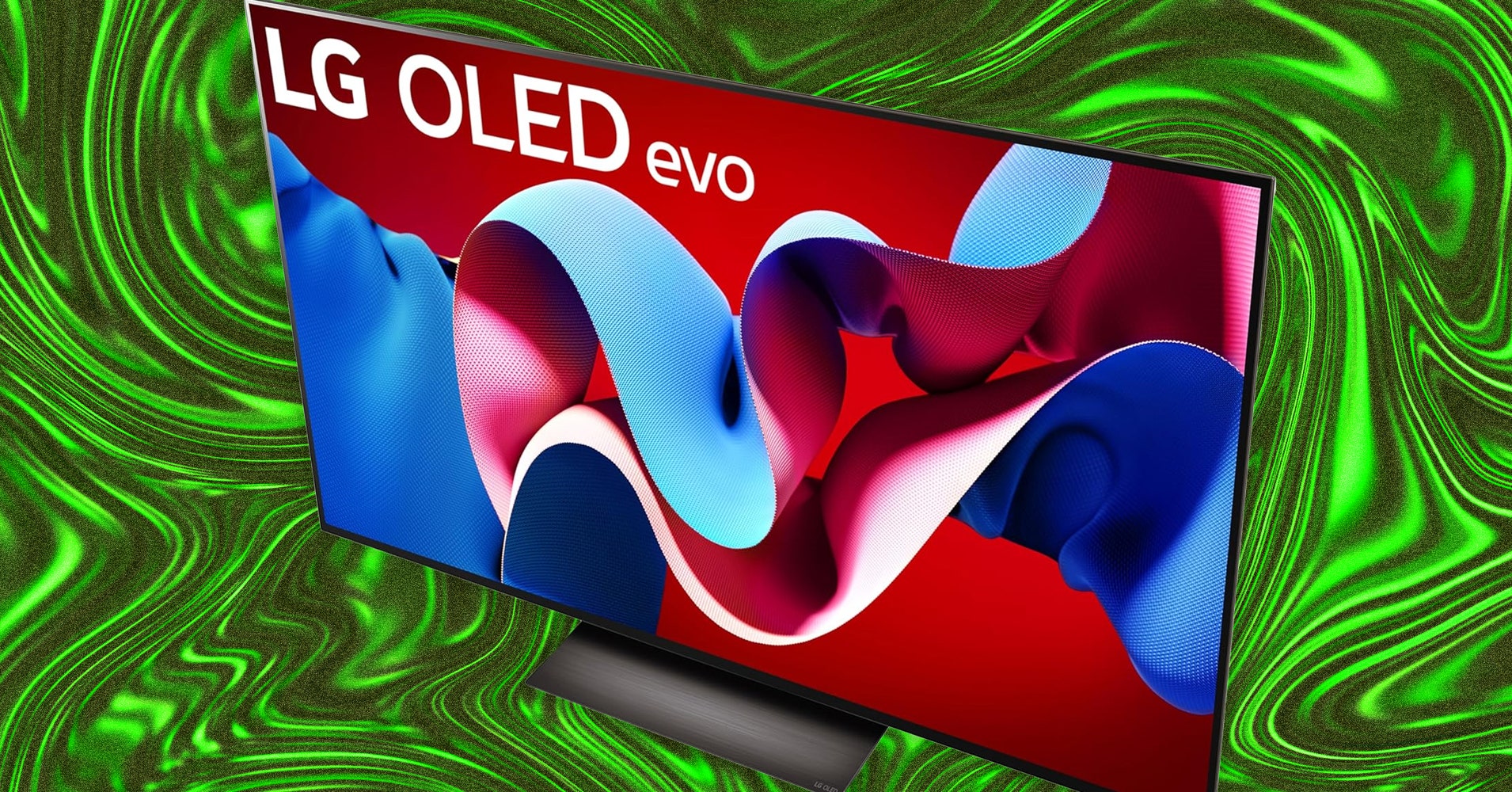
LG’s mid-tier OLED model marries performance with affordability, making it ideal for those looking to enjoy OLED quality without guilt. Although not as bright as the ultimate flagships, the LG C4 still offers a vibrant viewing experience with deep blacks and vibrant natural colors. It's perfect for enhancing content in Dolby Vision.
This TV additionally boasts LG’s intuitive webOS with fast streaming, operable through its Magic Remote. High-paced gaming is supported with HDMI 2.1 on all inputs, capable of 144Hz with compatible devices. Other features include Chromecast and AirPlay. Its elegant design is complete with a discreet stand and minimal bezels, making it a sleek addition to any setup.
Panasonic's Z95A: A Personal Favorite
Panasonic’s Z95A is currently a standout favorite, featuring LG Display’s leading tech that offers dramatic brightness finely tuned to each scene. It delivers exceptional color with unmatched realism, although it commands a high price.
Panasonic didn't stop there—the Z95A has the best audio we’ve heard on a TV, though it has limited HDMI 2.1 inputs, which might not satisfy avid gamers. The Fire TV operating system is basic, but perks like a swiveling stand and full HDR support help counteract those drawbacks. Its built-in speakers perform well enough for confined spaces.
Exploring Budget OLED Options
For those seeking affordability in OLED TVs, LG's B-series offers high value just below their renowned C-series. Though not tested, the B4 is expected to share similar specifications and performance with the previously tested LG C3, which boasted good brightness, color, and features like LG's webOS and gaming extras such as four HDMI 2.1 ports and VRR capability up to 144Hz.
Consider purchasing last year's models before inventory runs out to save money on an OLED or any TV. While missing out on the latest software enhancements and possible brightness improvements, this option could allow more flexibility in your budget to explore other recommended selections.
Leave a Reply