


Concerns Rise Over U.S. Exit from World Health Organization
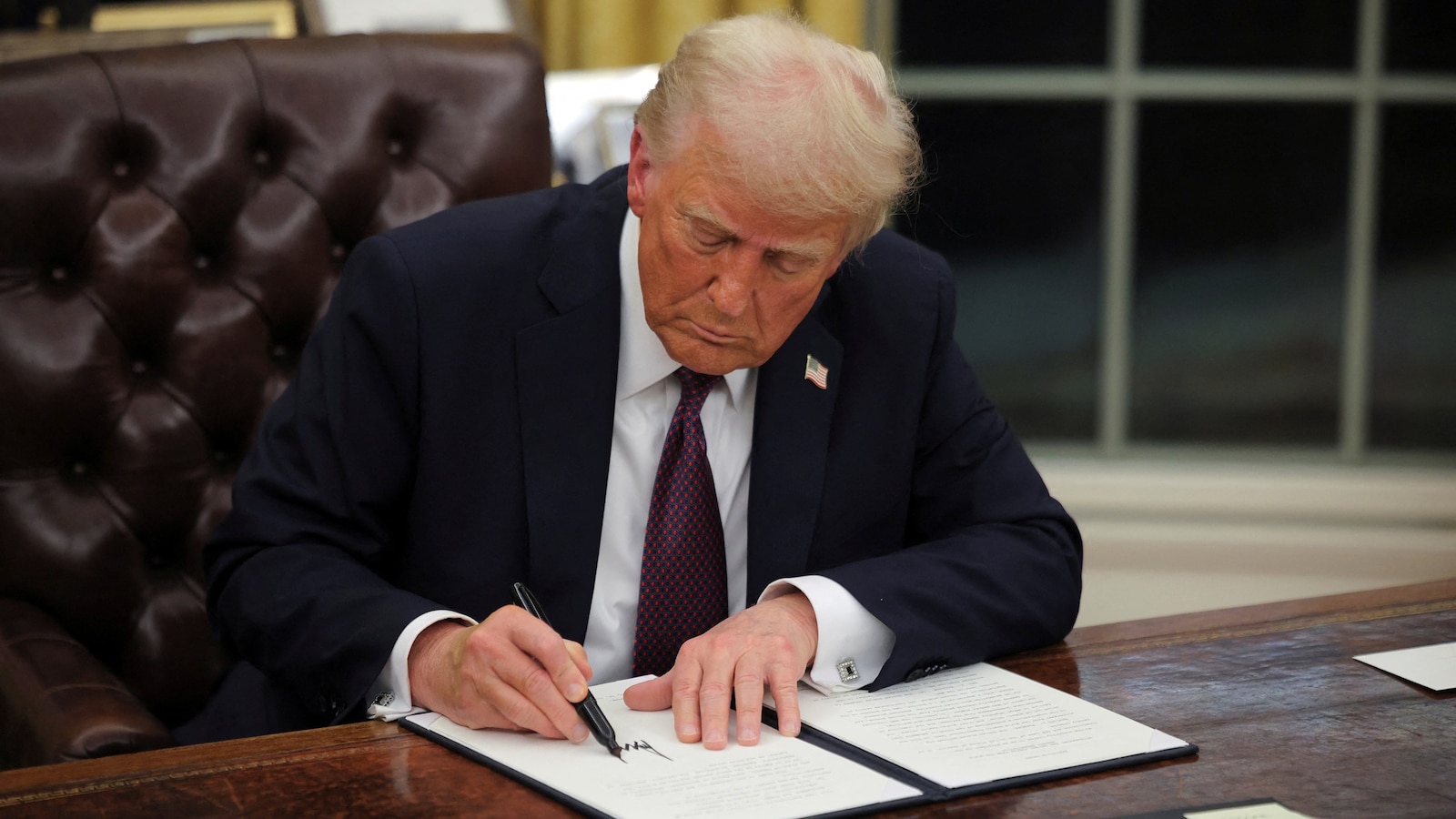
President Donald Trump's execution of an executive order to remove the United States from the World Health Organization (WHO) has sparked alarm among public health professionals who fear the country's strategic position in global health response might be compromised.
Reasons Behind Trump's Decision
Trump criticized the WHO's handling of the COVID-19 crisis, accusing it of failing to reform and being unduly swayed by other countries. He emphasized that these actions were part of ending the exploitation of the U.S., describing past financial commitments as unfairly burdensome compared to the contributions of other nations.
"The U.S. has been taken advantage of for too long," Trump declared when questioned about the WHO’s role in tackling global pandemics during his presidency.
Implications of U.S. Withdrawal from WHO
The separation could hinder the U.S.'s ability to detect and respond to new health threats, such as emerging diseases like bird flu, experts suggest. A potential lack of access to critical information and collaborative efforts on international health initiatives is a significant concern.
Moreover, the U.S. provides significant support to WHO projects through the CDC and National Institutes of Health, contributing to areas like cancer prevention and global health defense.
Potential Loss of Global Health Influence
The withdrawal could lessen America's influence in global health matters. Dr. Tedros Adhanom Ghebreyesus of WHO has expressed regret over the decision, highlighting decades of cooperation between the U.S. and WHO that have led to significant public health victories like the near-eradication of polio.
Experts warn that not participating in these initiatives could stand in the way of progress on critical health issues at home and abroad. Thomas Bollyky from the Council on Foreign Relations described the executive order as a severe mistake that jeopardizes American safety and the country’s ability to contribute positively to global health responses.
Broader Health Implications
With major public health programs potentially affected by this decision, like those targeting malaria and HIV/AIDS, the implications of the withdrawal on the continuity and effectiveness of these programs are uncertain and worrying.
While improvements in WHO are necessary, experts argue that disengagement only diminishes the U.S.'s impact on international health protocols and the security of its citizens.
Leave a Reply