


Trump's Energy Emergency Plan: A Closer Look
Donald Trump, set to be inaugurated as President, has indicated his first action will be to declare a national energy emergency. This decision follows his campaign promise to significantly lower electricity and fuel costs within the first year of his presidency.
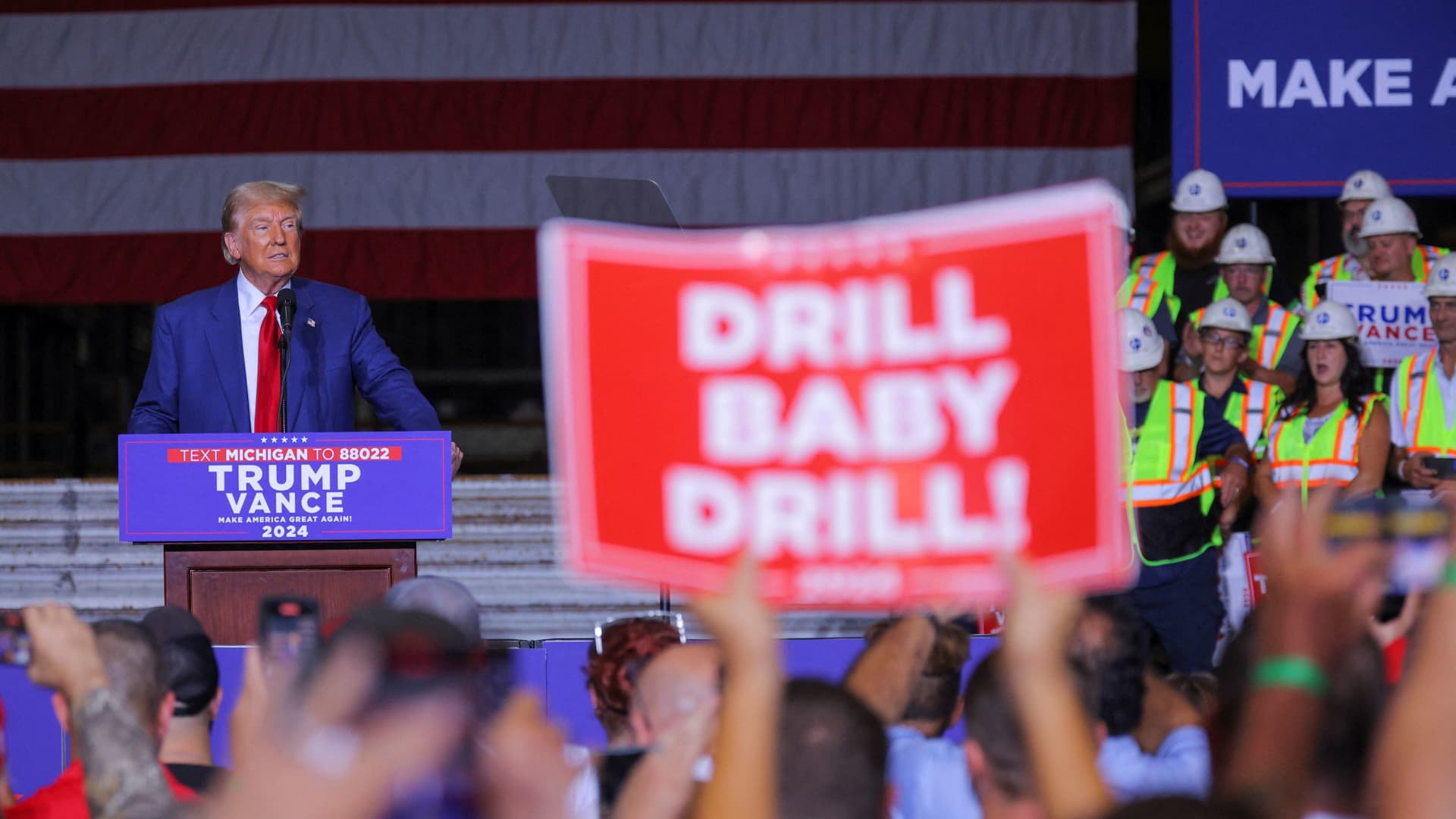
Speaking in Potterville, Michigan, Trump announced his intention to activate an emergency directive aimed at boosting the nation's energy production and reducing energy-related regulatory obstacles immediately. He pledged approval for new drilling projects, pipelines, refineries, power plants, and nuclear reactors starting day one.
As recently as December 22, Trump confirmed his commitment to counteract policies implemented by Biden's administration that impact natural gas exports, drilling operations, and emissions standards. This would be executed through a series of executive orders.
Forming an Energy Task Force
Trump plans to establish an energy task force led by the nominee for the Department of the Interior, North Dakota Governor Doug Burgum. According to Burgum, this task force would be instituted via executive order.
It's uncertain if Trump's emergency declaration will serve a symbolic purpose or if it will invoke broader presidential powers that extend beyond executive directives planned for implementation.
Mike Sommers, President of the American Petroleum Institute, suggests the emergency status might primarily be rhetorical, pairing with executive orders as the practical response to the energy situation.
Potential Exercise of Emergency Powers
Energy policy expert Glenn Schwartz noted there are historical precedents for utilizing emergency statutes related to energy. These powers could waive certain environmental standards, thus enabling increased energy output.
Trump might use provisions under the Clean Air Act to allow fuel that doesn't meet current air quality regulations, a measure to stabilize fuel prices historically invoked during times of national supply stress.
The energy secretary can demand power plants operate at full capacity and temporarily relax pollution controls under particular emergency scenarios, especially during severe weather, though it's rarely used since WWII.
Foreseen Executive Orders
The American Petroleum Institute anticipates several executive orders from Trump meant to propel the energy sector forward. These could revoke the existing pause on drilling facilities and address bans in significant federal waters, although these actions may face legal challenges.
While these executive actions aim to open doors, industry leaders, citing market factors as primary decision drivers, may not respond immediately by increasing production.
Trump is also expected to retract the U.S. commitment to the Paris climate accord, while directing policy adjustments related to vehicle emissions to support the agenda of energy supremacy.
Navigating Legislative and Regulatory Hurdles
Sommers acknowledged the limitations of executive orders, pointing out that significant regulatory changes require a lengthy rulemaking process and legislative support. The longer-term goal is influencing Congress to institute durable changes in energy policy.
Leave a Reply