


Trade Surge Into U.S. Prior to Trump's Tariff Policies
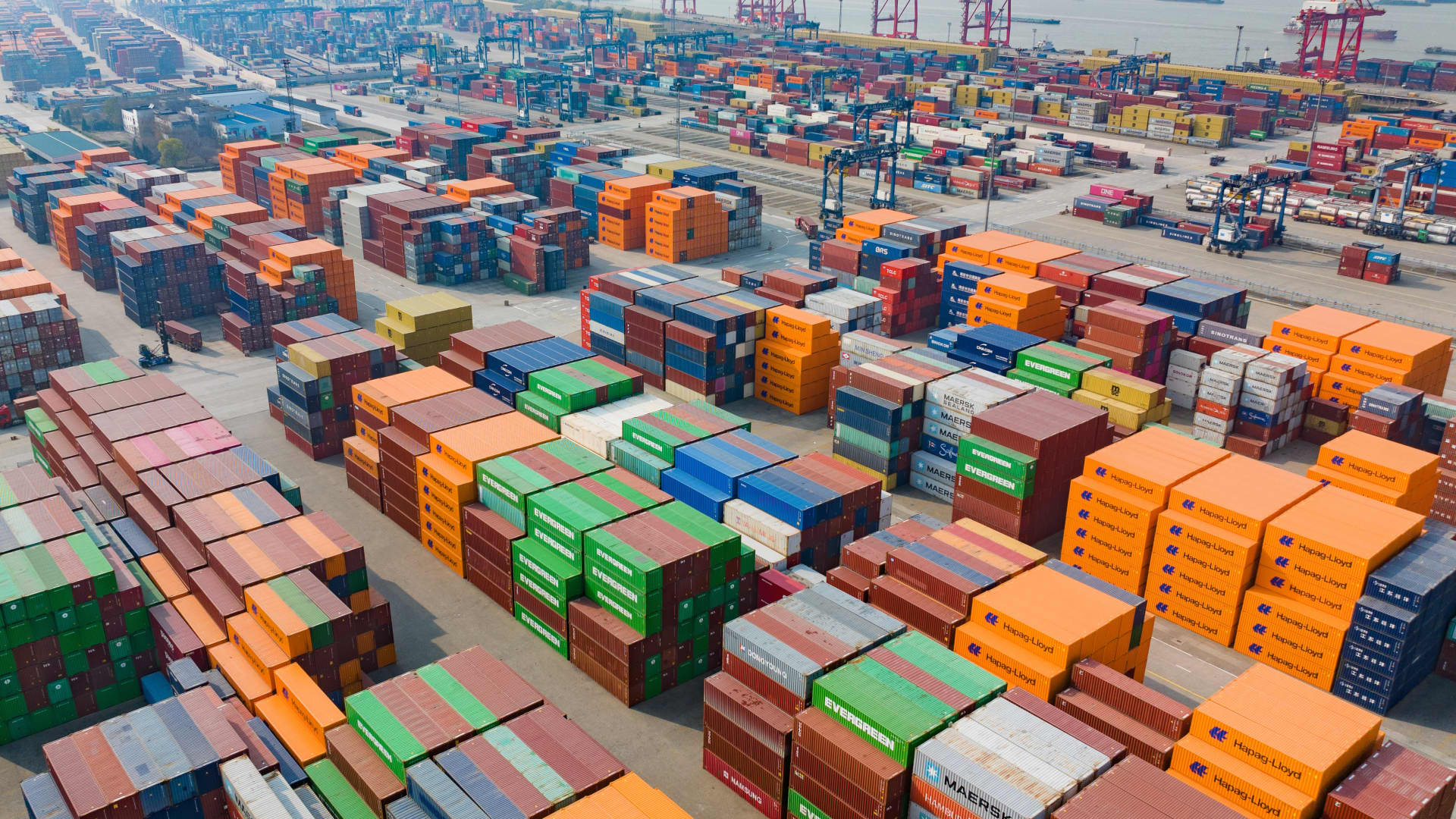
With a recent agreement averting potential strikes by port workers along the East and Gulf Coasts, businesses have been strategically rushing shipments into the United States. This quickened pace is a response to anticipated tariff implementations by the soon-to-be President Trump.
According to a recent survey by CNBC on supply chains, about 78% of participants indicated customers had requested their shipments to be advanced, due to fears of higher tariffs and earlier talks of a potential strike. This led to an increased flow of goods to ports nationwide.
Goods imported from China prominently led this rush, aligning with data that shows a spike in exports towards the end of 2024, especially during December. Products were primarily from China, but Europe, Mexico, Vietnam, and Malaysia also played significant roles.
Timing has become a crucial concern for shippers, according to Sri Laxmana from C.H. Robinson. He highlighted Trump's plans to quickly enact tariff policies, which could immediately influence import costs. However, there are discussions suggesting these tariffs might be implemented over time to avoid sudden economic impacts.
Laxmana observed that while traditionally, tariffs have taken months to fully apply via administrative actions, several businesses started rushing their inventory due to uncertainties involving tariffs on Chinese imports. This includes potential new tariffs on imports from Mexico and Canada.
Paul Brashier of ITS Logistics noted that the increase in trans-Pacific shipments started as early as November. This preemptive action included a range of goods such as e-commerce items, small appliances, and various consumer products.
Although exact details of Trump's tariffs remained unclear before his inauguration, Laxmana pointed out that accelerated shipping depends heavily on a supplier's ability to boost production.
Large corporations began their inventory adjustments the previous year. Import Genius' William George found that Walmart increased its U.S. shipping from China by over 33% between 2023 and 2024.
The survey highlighted apparel and sneakers as the most frontloaded items, followed by household goods and middle-priced merchandise. Alcoholic beverages, furniture, and automotive components were also considerably affected.
Stephen Lamar, CEO of the American Apparel & Footwear Association, remarked on the pressing nature of tariffs for the industry. Businesses are accelerating delivery schedules and supply diversification to lessen tariff impacts.
Brashier mentioned that ITS warehouses are packed with materials meant for future infrastructure projects, including solar panels, highlighting how longstanding contracts are liable to disruption from tariff changes.
Some companies are transitioning to suppliers in Vietnam, Cambodia, and other nations to sidestep Chinese tariffs, leading to a strategic realignment in sourcing.
Jon Gold of the National Retail Federation emphasized the unknowns that retailers face adapting to. Retailers aim to mitigate risks and bolster supply chain resilience against potential broad tariffs on consumer goods.
Notably, the period also coincides with Asia's major holidays, contributing to frontloading. A significant portion of freight ahead of the Lunar New Year included seasonal items intended to evade supply disruptions.
Ben Bidwell from C.H. Robinson advises businesses to proactively coordinate with financial teams to preemptively manage possible tariff hikes.
Despite tariff uncertainties potentially influencing the market, consumer demand remains robust, with a noticeable uptick in imported goods as companies prepare for the upcoming fiscal changes.
Leave a Reply