


Finland's Race Against Time to Prevent Catastrophe at Sea
In a narrow escape, Finnish President Alexander Stubb announced that authorities managed to intervene just in time to thwart a potential disaster involving a Russia-linked oil tanker, which was poised to inflict severe damage on the Baltic Sea's undersea cables.
During a discussion at the NATO summit centered around the Baltic, Stubb explained that if the measures hadn't been taken within the 12-minute window, the consequences would have extended beyond the already damaged four main cables.
The Near Miss Incident
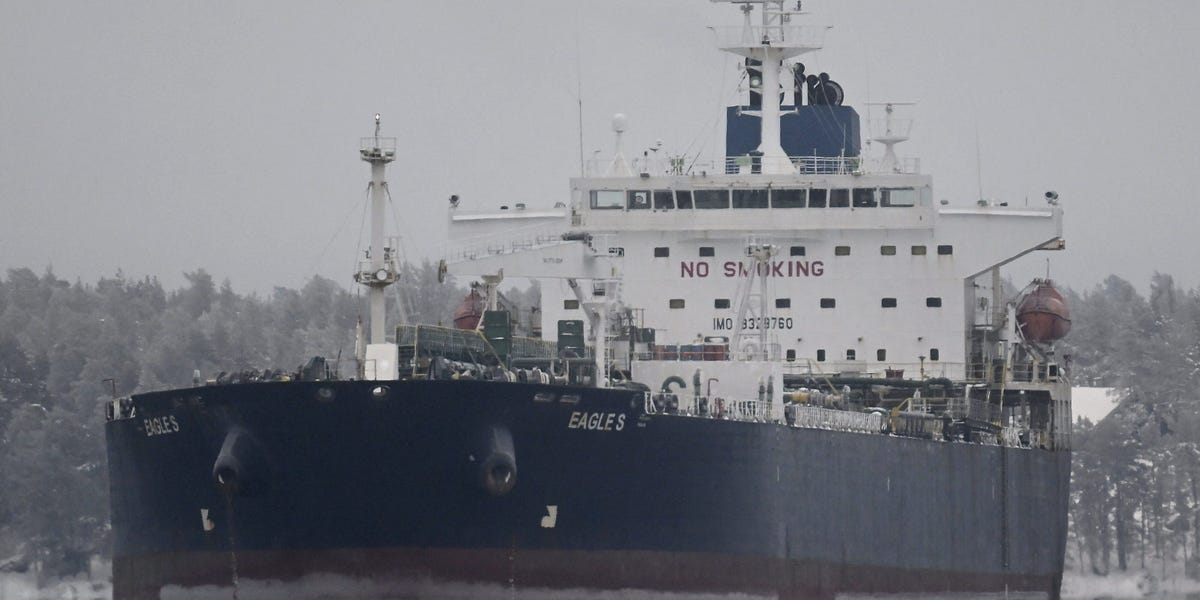
Late December saw the capture of the tanker Eagle S as Finland investigated harm inflicted on the Estlink-2 power line—one of the crucial electric conduits beneath the Baltic Sea. Alongside, four data transmission cables were also compromised.
Investigations led by Finnish authorities revealed an attempt by the Eagle S crew to destabilize the network by dragging anchors across the ocean floor over a significant distance. Risto Lohi, head of Finland's National Bureau of Investigation, noted the tanker might have targeted the Estlink-1 cable next, had the police not intercepted the vessel.
Protective Measures: An Evolution
Stubb elaborated on the operational security process, indicating that private companies monitor the cables. When damages are detected, they inform the authorities, who then track nearby vessels and halt any suspicious activity.
The current protocol obliges Finnish forces to compel suspect ships into Finnish territorial waters, where legal measures can be enforced. However, an international collaborative approach has been announced.
As part of NATO's strategy, an initiative named the 'Baltic Sentry' will bolster security, deploying an array of resources including frigates, marine airplanes, and a collection of naval drones to safeguard European infrastructure.
Wider Implications and Suspicions
The investigation surrounding the Eagle S is crucial within the European Union, amid suspicions of Russia's deliberate interference with Western underwater systems. Worries arose last year following the severance of two critical fiber-optic cables between Finland and Germany.
The tanker Eagle S, although registered in the Cook Islands, is believed to be part of a clandestine Russian network due to its load of 35,000 tons of gasoline from Russian ports. This so-called 'shadow fleet' consists of vessels flying under non-Russian flags yet transporting Russian oil under sanctions.
Despite the allegations, Russia has dismissed claims of its involvement in such disruptive activities. The Russian Foreign Ministry has not provided a timely response to inquiries from Business Insider.
Leave a Reply