


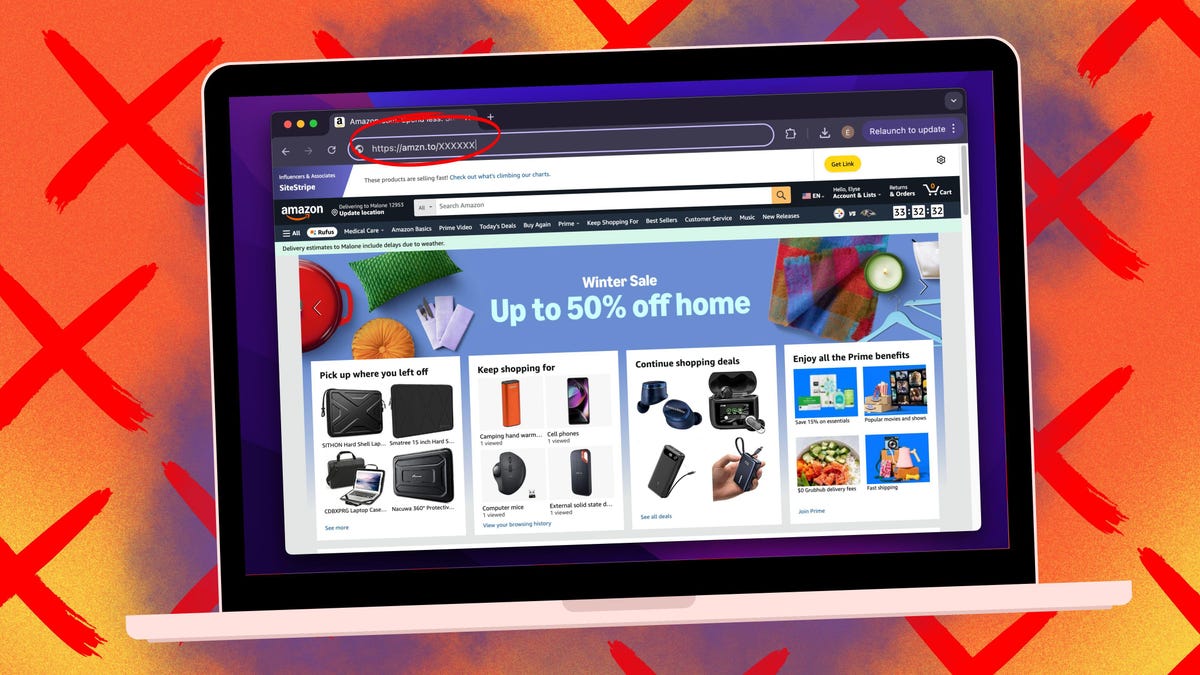
Avoid These Mistakes to Ensure Your Amazon Affiliate Links Work
In the world of online content creation, affiliate links have emerged as a key revenue stream, often surpassing traditional advertisements and sponsorships.
I incorporated affiliate links into my newsletter and YouTube channel without realizing I'd made an error. This oversight nearly cost me the holiday traffic surge I had anticipated. Here, I'll outline what went wrong and how you can avoid the same pitfalls.
Decoding Affiliate Links
You've probably noticed disclaimers like, "We may earn a commission if you purchase through our links." These are affiliate links, and many content-based websites rely on them for revenue.
Affiliate links connect a product to a unique code, identifying the referring site. If a reader clicks and makes a purchase, a commission is given to the referral site, all without altering the product price for the consumer.
This system allows creators to monetize without directly impacting consumers financially. The seller, often Amazon, shares a portion of the sale, which can be a lucrative model given Amazon's broad product scope.
While affiliate links are less intrusive than traditional ads, there are varying commission rates and terms, which are generally straightforward once understood.
Why I Added Affiliate Links
Despite my hesitations, I integrated affiliate links as my newsletter and YouTube channel expanded. The costs for producing quality content were mounting, so I saw it as a way to help offset expenses, especially during the holiday season.
Subscribers engage with my newsletter for project updates, tool recommendations, and insights from other articles, creating an interactive ecosystem between my YouTube content and text-based updates.
Given the elevated expenditures on necessary gear and tools, I decided to include Amazon affiliate links to help recoup some costs.
Amazon's Strict Guidelines
Amazon, like other affiliate programs, has stringent rules to prevent fraud. For my setup, I joined Amazon's Associates program, which requires securing three genuine sales within six months to remain in good standing.
Key restrictions include avoiding self-purchases or purchases by close acquaintances to fulfill the sales requirement, as Amazon monitors for such behavior closely.
Another critical regulation prevents the use of affiliate links in non-public platforms like email newsletters. To navigate this, I employed GeniusLink, a service that complies with Amazon's public visibility rule by generating click-tracked landing pages for affiliate links.
The Critical Misstep and What Happened
My initial attempt to facilitate these links led me to spotlight favorite tools, using Amazon's short URLs, which surprisingly didn't track properly through GeniusLink.
Though GeniusLink and Amazon confirmed protocol adherence, clicks via affiliate links weren't registering. After extensive troubleshooting, it turned out that using Amazon's shortened URLs was the root cause.
Switching from shortened links to full Amazon URLs resolved the discrepancy. Post-correction, my affiliate engagement improved, surpassing the required sales threshold and securing my program status.
Conclusion: Lessons Learned
Ultimately, the experience highlighted the importance of precise adherence to affiliate program guidelines. Avoid relying on Amazon's shortened links if engaging with its affiliate program, as this can impede the tracking of referral traffic and related revenue.
Sharing might be intended to foster commerce, but when it comes to Amazon's affiliate protocol, using the wrong kinds of links can derail revenue-sharing opportunities.
Leave a Reply