


NATO Chief's Warning: Increase Defense Budgets or Prepare for Alternatives
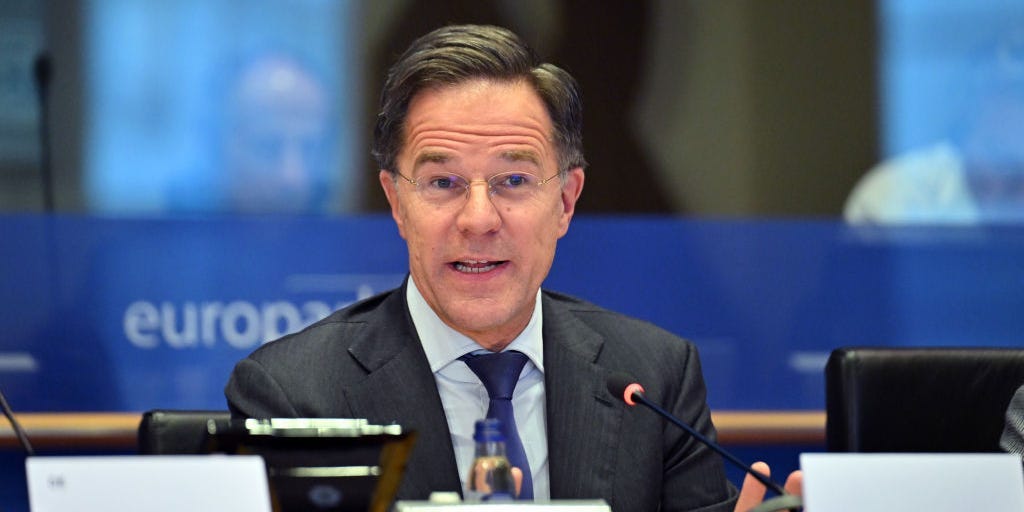
At a recent European Parliament session in Strasbourg, NATO Secretary General Mark Rutte conveyed a stark message to member nations. He emphasized the urgent need to enhance defense expenditures or face potentially dire alternatives, including learning Russian or relocating to New Zealand.
Rutte's remarks reflect an ongoing push for European nations to reconsider their economic strategies and prioritize military spending. This comes amidst Russia's sustained military actions in Ukraine and President-elect Donald Trump’s continued doubt regarding the U.S.’s role in supporting European security.
Illustrating the growing threat from Russia under President Vladimir Putin, Rutte noted, "Though currently secure, the future holds uncertainties four to five years ahead."
"Should there be no increase in defense investment, then alternatives like language courses in Russian or a move to New Zealand remain open," Rutte emphasized.
Expressing grave concerns about Europe's security status, Rutte remarked, "We exist in a state that is neither war nor peace. Immediate action is required to enhance defense capabilities and societal resilience. The urgency of these enhancements cannot be overstated."
Warnings from military officials suggest that, should Russia emerge victorious in Ukraine, NATO countries might become subsequent targets.
Following Russia’s aggressive actions in Ukraine, many NATO members have heeded the call, increasing their defense spending, with 23 out of 32 nations now meeting the 2% GDP target.
However, this 2% target had been unmet by several members for years. Trump has vocally criticized this, advocating for increases up to 5% of GDP.
In contrast, the U.S. allocates about 3.38% of its GDP to defense. Eastern European countries neighboring Russia, like Estonia and Latvia, have similar budget allocations, at 3.43% and 3.15% respectively.
Poland, boasting a strong military presence in Europe with 4.1% of GDP channeled into defense, has shown support for Trump’s proposed 5% level, unlike leaders in nations such as Germany, where Chancellor Olaf Scholz argues against such high targets.
Despite differing views, Rutte asserted, "A goal of approximately 3.7% appears more achievable for member nations moving forward."
During his initial presidential term, Trump threatened NATO exit, prompting discussions among European leaders like France's Macron about Europe adopting greater responsibility for its security.
While NATO members have indeed increased defense spending, the alliance predominantly relies on the United States, which remains its principal military force. Rutte reiterated that European security remains deeply tied to U.S. support.
Leave a Reply