


Barcelona Diverts Tourist Tax to Combat Climate Change Challenges
Barcelona is transforming a revenue stream into a valuable asset, using the funds from its tourist levy to counteract the adverse impacts of climate change.
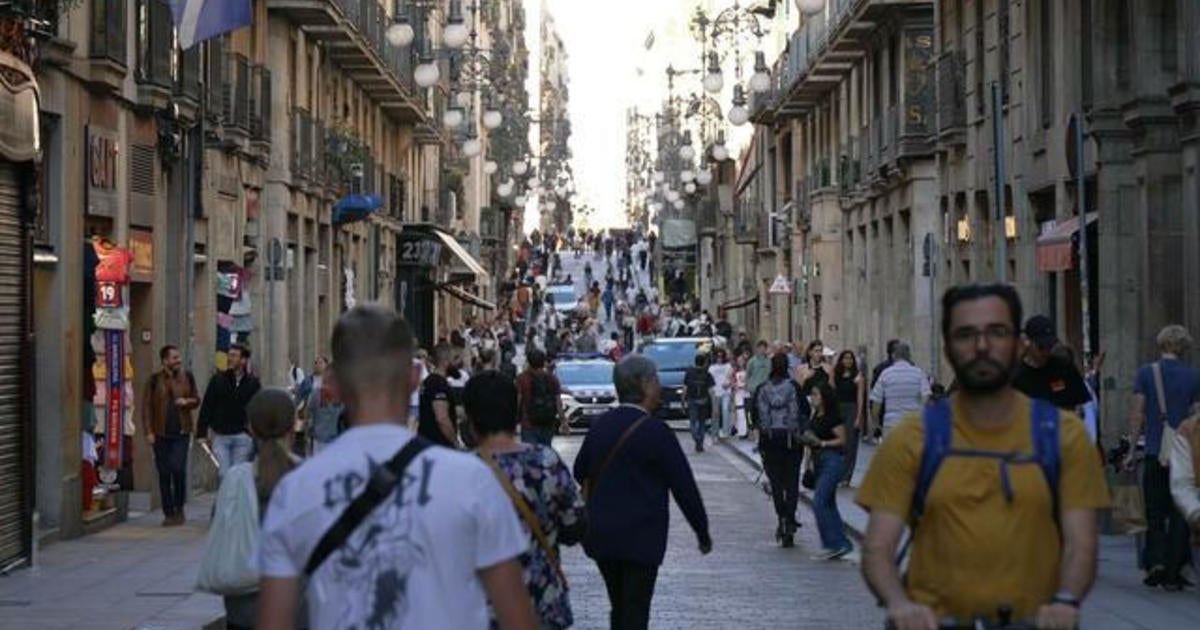
As Europe's hotspot, Barcelona draws countless tourists, but this influx has led to various urban challenges, including limited housing availability, increased cost of living, and evolving community identities.
"The unique character of our neighborhoods is disappearing," remarked Fernando, a local residing in an area bustling with nightlife and eateries.
Having spent over two decades in the vicinity, Fernando observes, "Half the space is dedicated to short-term leases."
"While cultural and artistic visitors bring value, the party-focused, careless tourists aggravate the situation," noted Elizabeth, a hotel worker.
Barcelona, like other Southern European cities, grapples with intensified climate fluctuations. Increasing dryness and heat waves have become the new norm.
These climbing temperatures strain city facilities, notably public schools, which traditionally lack air conditioning despite prolonged summer heat.
An 11-year old student, Mia, conveys her difficulty staying focused amidst the oppressing warmth.
"Concentration becomes elusive," she shared, echoed by her peer, Theo.
This summer marked a difference as Mia and Theo returned to school equipped with air conditioning, funded by the city's tourist tax — implemented as a surcharge for travelers.
"Our city visitors chip in through a tourist tax applied to accommodations," explained Laia Bonet, the city's Deputy Mayor. "Using these proceeds for progressive environmental projects is pivotal to harmonizing tourism with sustainability."
The municipality has embarked on a project to integrate energy-efficient climate-control systems and solar infrastructure in its entire network of 170 public schools. The $100 million initiative aims to advance both cooling solutions and the transition from conventional gas heaters.
"Tourism revenue aiding the climate cause makes a significant impact," affirmed Bonet, elucidating the value of utilizing the tourist levy for such green initiatives.
Conversely, Agnes Rodriguez, an anti-tourism advocate, criticizes this dependency on tourism. "Public health shouldn't rely on visitor funds," she argued.
"Outsiders renting spaces meant for residents are contributing to urban imbalance," she asserted, emphasizing residents' primary role in climate strategies.
"Barcelona isn't a theme park," she concluded, stressing the need for preserving its authentic urban life.
Leave a Reply