


Southern U.S. Faces Travel Woes and Power Losses After Winter Storm Passes
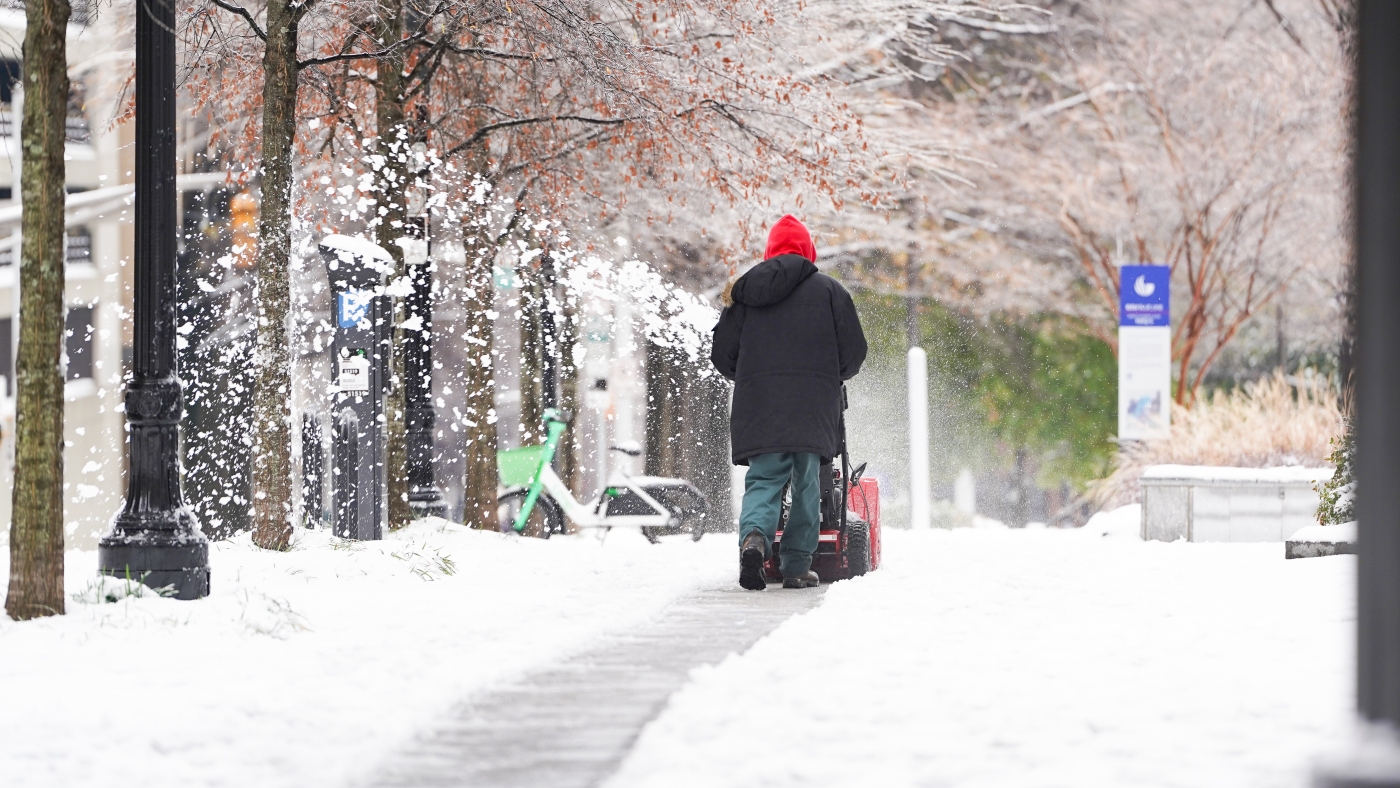
In Atlanta, efforts to clear snow are evident as a resident manages the aftermath with a snow blower.
The aftermath of a fierce winter storm continues to disrupt life in the Southern United States, with ongoing flight disruptions, treacherous roadways, and widespread power outages.
Though the main part of the winter storm dissipated by Saturday morning, and weather alerts in southern regions began to expire, its effects linger, leaving transportation and electrical services in disarray.
The storm has moved offshore, bringing major disruptions to a close, though the residual impacts are still significant.
As of Saturday afternoon, an estimated 34,000 households were still without electricity. Authorities have advised the public to remain indoors until conditions improve on Sunday.
Georgia Power, the main electric company in the area, reported teams are actively working since the storm stopped, dealing with ice-laden trees and power lines. Their operations continue with the priority of restoring power under difficult conditions.
The snowstorm's extensive impact has led to notable delays, with over a quarter of flights deferred and about 14% canceled at Atlanta's Hartsfield-Jackson Airport.
Charlotte, North Carolina faced its first significant winter weather in years, although snowfall amounted to less than half an inch.
By Saturday afternoon, Charlotte is expected to see most ice and snow thaw, but another temperature drop is on the horizon. Any thawing will likely refreeze overnight, increasing the risk of black ice, experts warn.
Concerns over weather conditions led to the postponement of a basketball game in Atlanta between the Houston Rockets and Atlanta Hawks. Safety of all involved prompted the NBA to delay the event, with a new date yet to be confirmed.
As the storm's remnants drift away from the East Coast, minor snow showers are anticipated in areas like New England and the central Appalachian region.
Leave a Reply