


Ski Resort Vacations Marred by Strike: Park City in Disarray
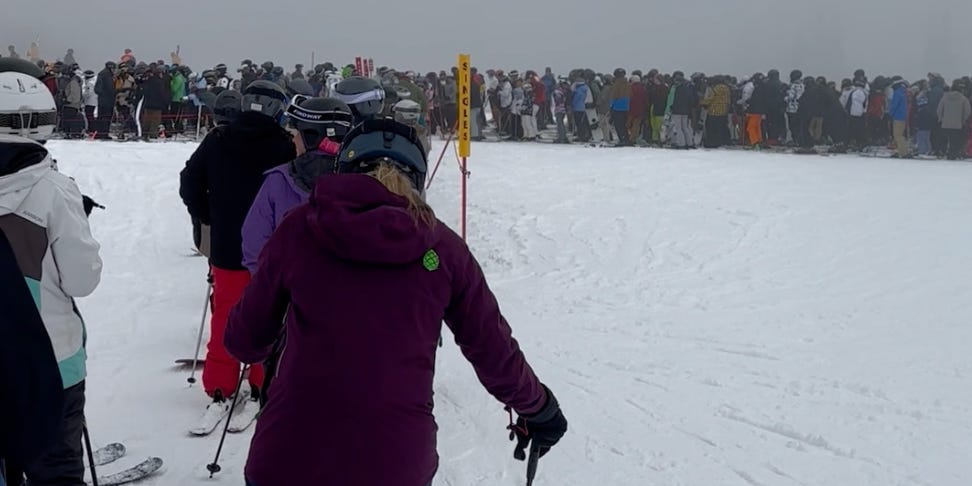
Visitors to Utah's Park City Mountain Resort faced lengthy waits and crowded slopes as ski patrollers joined a strike for better pay, leaving skiers frustrated.
The protest over salary at this major ski venue coincided with a heavy snowfall of over two feet, typically a dream for winter sports enthusiasts. However, for Jim Lebenthal, it meant enduring tedious waits instead of enjoying the powder.
Challenges from the Start
Lebenthal, associated with a wealth management company and known from CNBC, lamented a poor experience as the mountain had significant closures—75% on December 27, progressing to 80% by the end of the month.
The queuing for the ski lifts was so extensive that it boiled down to just one run per hour, with most time spent waiting.
Repercussions During Peak Holiday Season
TF Jenkins, another finance professional, expressed dissatisfaction due to the restricted areas available for skiing, resulting in repetitive runs.
Many voiced their displeasure online regarding the mounting inconvenience, which saw Vail Resorts Inc., the operator, suffer a 6% dip in its market value over the last week.
Negotiations and Stalemate
Negotiation efforts between the Park City Professional Ski Patrol Association and Vail Resorts started in April, focusing on wage adjustments to cope with rising living costs.
Despite ongoing talks, about 200 patrollers went on strike from December 27 after discussions stalled.
While the resort remained operational, safety was highlighted as their main concern.
According to resort officials, the already challenging early conditions on December 30 were exacerbated by the strike, impacting terrain accessibility.
Union's Position
Vail Resorts claims resolution on most contract issues, yet disputes remain over the contract's duration, salary, and benefits.
Bill Rock of Vail Resorts cites significant staffing investments as evidence of competitive compensation.
However, union manager Margaux Klingensmith notes the wages do not reflect patrollers' real-world financial struggles.
The union demands an increase in base pay to $23 per hour, with adjustments to curb wage disparities among patrollers with varying experience levels.
Retention of seasoned patrollers is a priority, as their pay often equals that of less experienced colleagues, causing high turnover.
Additional benefits sought include health stipends, vacation accrual, and family leave policies.
Visitor Discontent and Future Decisions
Despite continuous operations amid the strike, many customers were dissatisfied with the lack of information from Vail Resorts about the strike's impact on their visit.
Lebenthal and Jenkins, among others, were disappointed by the poor communication and expressed intentions to seek refunds.
Inconsistencies in wait time notifications further aggravated visitors' experiences, as app estimates were vastly underestimated.
Jenkins remarked on the precarious nature of crowded and unevenly skilled skiers populating the trails, turning enjoyment into a hazard.
In future, Jenkins prefers supporting smaller, local ski areas and vowed not to return to such corporate-run resorts, even if it requires added travel inconvenience.
Leave a Reply