


Ajit Pai Promotes TikTok Ban, Citing Security Concerns
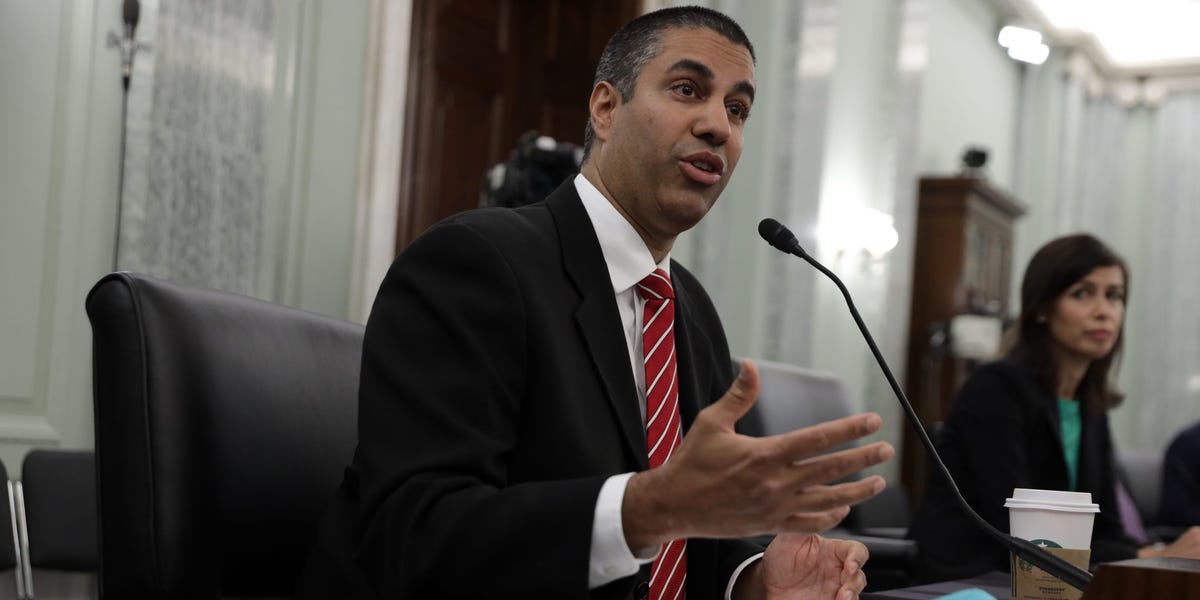
Ajit Pai, the previous Chairman of the Federal Communications Commission, has taken a stand with Congress to back federal legislation aimed at potentially banning TikTok, despite opposition from his former supervisor, Donald Trump.
On Friday, in a document submitted to the Supreme Court, Pai allied with Thomas Feddo, who was part of the Treasury Department during Trump's first tenure, underscoring the necessity of the law and asserting its historic basis.
Conversely, Trump made a separate appeal that same day, urging the court to delay the law's implementation, which is anticipated to start on January 19 — merely a day before Trump's anticipated return to office.
Legislative Background and Chinese Tech Concerns
The wave of bipartisan support that led to passing this law in April was galvanized by apprehensions about national security due to TikTok's Chinese ownership. The statute enforces a time limit, giving its parent company, ByteDance, nine months to divest TikTok into a non-Chinese enterprise to prevent a U.S. ban.
In retaliation, TikTok brought forth a legal challenge in May, contending the law infringes on First Amendment rights. This argument was countered when the DC Circuit Court ratified the law on December 6. Persisting in its defense, TikTok sought the Supreme Court's intervention on December 18, which is expected to deliberate on January 10.
A variety of individuals and groups, including lawmakers and advocacy bodies for free speech, have filed their own documents either endorsing or opposing this legislation.
Pai's Argument and Precedents
Throughout his tenure at the FCC from 2012 to 2021, Pai developed policies to restrict federal fund-backed communications firms from using devices produced by Chinese companies like Huawei and ZTE, flagging significant data security risks.
In the legal document, it is mentioned that Pai not only crafted rules but also established a framework to identify firms considered national security threats. According to Pai's lawyers, these actions are nearly identical to the measures outlined in the law intending to curb TikTok.
Historical Context and Controversies
As noted in the document, U.S. legislative and executive branches have long singled out specific entities under Chinese jurisdiction as potent security threats and have crafted regulatory pathways for future identifications beyond immediate threats.
Pai's time as FCC chief was marked by controversy. One notable decision was the abolishment of net neutrality rules, established in 2015, which advocated for unbiased treatment of web traffic by internet providers. However, in April 2024, net neutrality was restored by the FCC.
Following his departure from the FCC, Pai joined Searchlight Capital as a partner in 2021. The firm has not provided commentary on the situation, and Pai's attorney also withheld remarks.
Concluding Remarks
The complexities surrounding the federal law and its implications on national security versus free speech continue to be deliberated, with significant figures like Ajit Pai championing the former in an ongoing challenge against global tech influences.
Leave a Reply